7 Mistakes You’re Making with Patient Engagement Healthcare UK (and How to Fix Them)

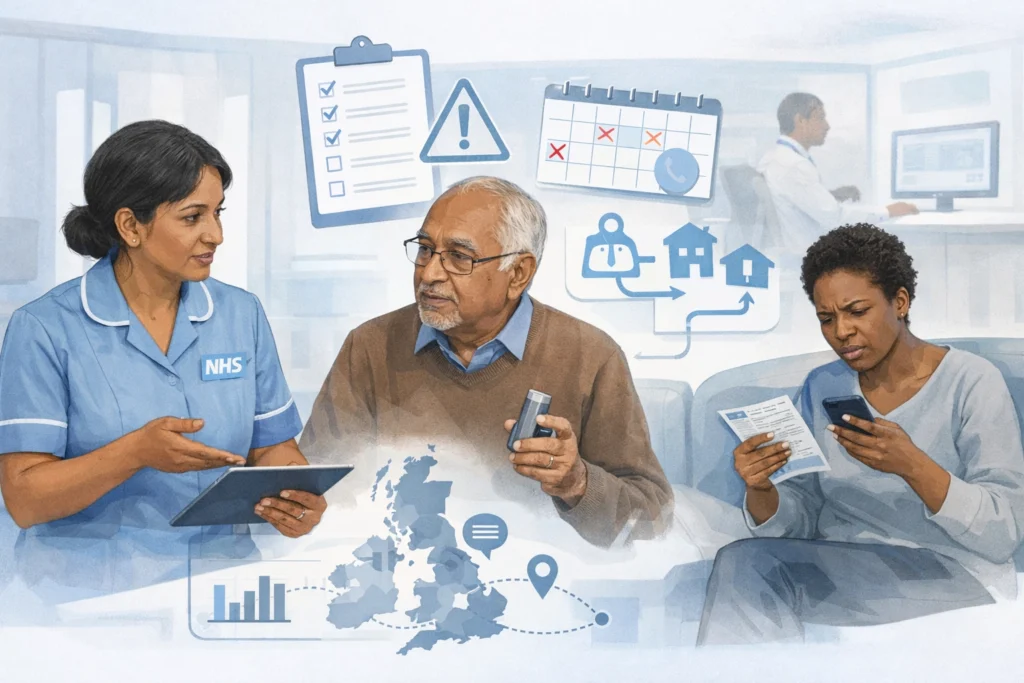
In the current landscape of the NHS, patient engagement has moved from a peripheral "nice to have" to a core strategic necessity. Within the field of respiratory health UK, the complexity of long-term conditions means that clinical pathways are only as effective as the patients’ ability to navigate them. However, while most organisations acknowledge the importance of the patient voice, the execution often falters.
True engagement is not merely about asking for an opinion; it is about creating a collaborative environment where patients, clinicians, and life sciences partners work in a shared reality. When engagement is done poorly, it wastes resources and alienates the very people it is meant to serve. When done well, it transforms service delivery and improves outcomes.
Here are seven common mistakes currently being made in patient engagement healthcare UK, and the practical steps needed to fix them.
1. Treating Engagement as a Post-Script
One of the most frequent errors in respiratory service design is bringing patients into the conversation only after the strategy has been finalised. When a pathway is already mapped out and the clinical protocols are set, "engagement" becomes little more than asking for a rubber stamp.
In practice, this feels exclusionary to those with lived experience. Patients can identify friction points in a diagnostic journey that a clinician might never see. For example, the logistical challenge of attending multiple diagnostic appointments in different locations is a common barrier to completing a respiratory assessment. If patients aren't involved at the design stage, these barriers remain baked into the system.
The Fix: Move engagement to the "pre-discovery" phase. Before a single line of a new pathway is written, hold a scoping session with patients to understand their current pain points.
2. Failing to Close the Feedback Loop
There is a growing sense of "consultation fatigue" across the UK. Patients often provide detailed accounts of their experiences, only to hear nothing back. When feedback disappears into a void, it reinforces the perception that engagement is a "tick-box" exercise rather than a genuine attempt at change.
Data suggests that poor communication is a primary source of dissatisfaction within NHS services. If a patient takes the time to explain how breathlessness affects their daily life, and that feedback doesn't result in a visible change: or even an acknowledgment: the relationship is damaged.
The Fix: Develop a "You Said, We Did" framework. For every engagement activity, there must be a follow-up communication that details what was heard, what will change, and: crucially: what cannot change and why. Transparency builds more trust than empty promises.
3. Ignoring the Diversity of Lived Experience
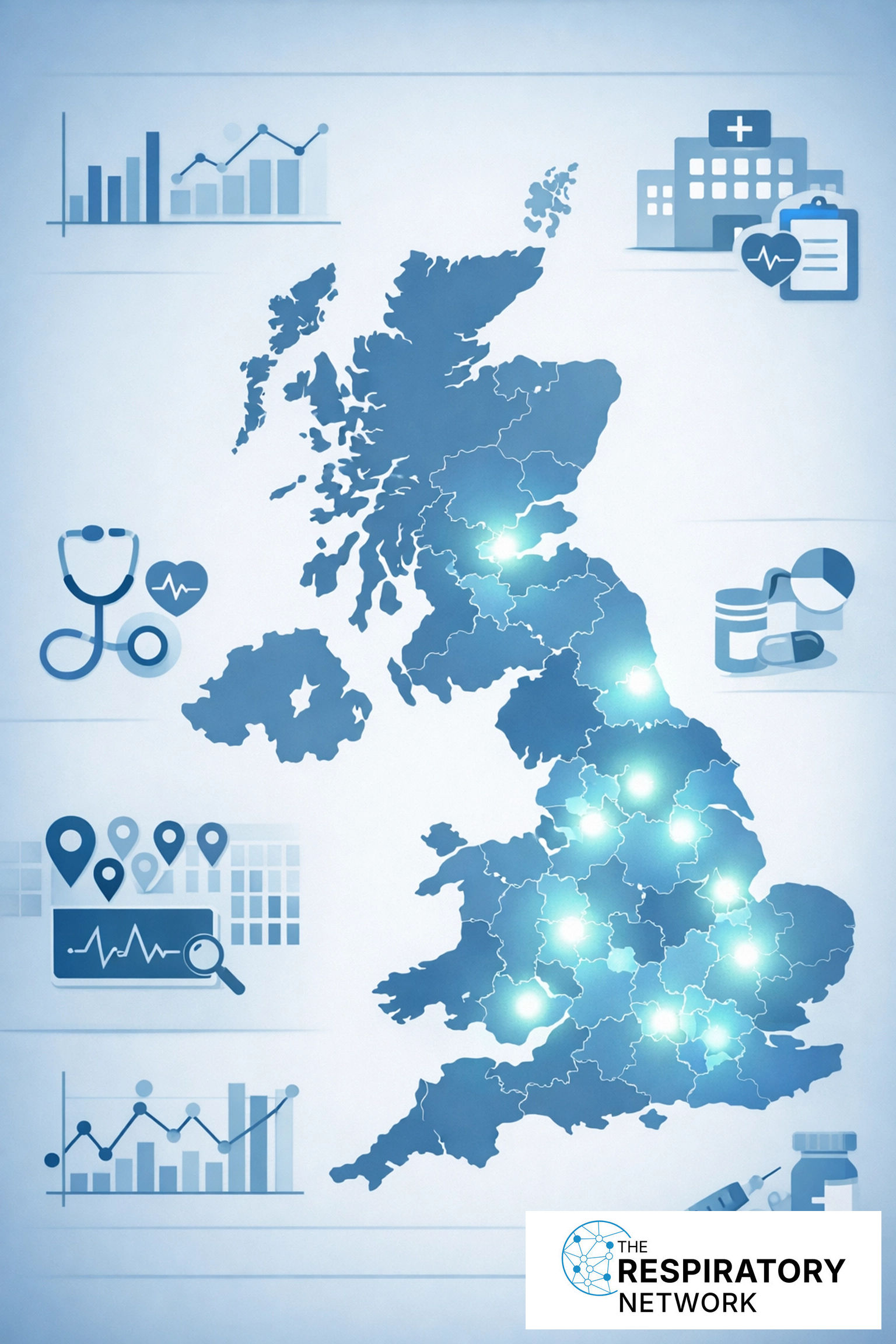
Respiratory health UK is deeply tied to socio-economic factors and regional health inequalities. A common mistake is relying on a "usual suspects" group of patient advisors: typically those who have the time, technology, and health literacy to volunteer.
While their input is valuable, it does not represent the full spectrum of the patient population. A patient managing a chronic condition in an underserved urban area faces different challenges than a patient in a rural setting. If your engagement strategy doesn't actively seek out diverse voices, you are designing services for a fraction of the people who need them.
The Fix: Go to where the patients are. Work with community leaders, local charities, and faith groups to reach those who do not traditionally engage with healthcare forums. Ensure that the members of your engagement panels reflect the actual demographics of the community.
4. Disconnecting Engagement from Clinical Outcomes
Patient engagement is often seen as a qualitative "extra" that sits separately from "hard" clinical data like NRAP (National Respiratory Audit Programme) standards or waiting list figures. This is a mistake. Patient insights are diagnostic tools in their own right.
If engagement is not tied to clinical outcomes, it is difficult to secure long-term funding or clinical buy-in. When we talk about patient engagement healthcare UK, we are talking about finding the clinical inefficiencies that data alone cannot see. For instance, if patients are not using their prescribed devices correctly because the instructions are unclear, that is an engagement failure that leads directly to a clinical failure.
The Fix: Align engagement goals with clinical KPIs. If the goal is to reduce emergency admissions for asthma, the engagement strategy should focus specifically on the barriers to self-management and early intervention.

A professional setting where a clinician, a life sciences representative, and a person with lived experience are reviewing a digital dashboard together.
5. Over-Complicating the Communication
The use of clinical jargon is a significant barrier to effective engagement. While terms like "integrated care boards" or "biologic pathways" are common in professional circles, they can be alienating to patients.
Research indicates that four key areas contribute to diagnostic errors and poor clinical relations: ignoring patient knowledge, disrespect, failure to communicate, and manipulation. Much of this stems from a power imbalance created by language. If a patient does not understand the language being used, they cannot participate as an equal partner.
The Fix: Adopt a "Plain English" policy for all engagement materials. Information should be accessible, concise, and focused on what it means for the patient. This isn't about "dumbing down" the science; it's about respecting the patient's time and expertise in their own condition.
6. Underestimating the Role of Life Sciences
In many engagement models, the life sciences industry is kept at arm's length. There is often a misconception that involving industry partners compromises the integrity of the patient voice.
In reality, life sciences partners often hold deep insights into patient behaviour and global best practices that can benefit the NHS. By excluding them from the conversation, the system misses out on potential resources, data, and innovative approaches to service delivery. Life sciences engagement UK should be a three-way partnership between the industry, the NHS, and the patient.
The Fix: Create structured, transparent opportunities for three-way collaboration. Our Round Table 2026 event is an example of how these stakeholders can meet on neutral ground to solve systemic challenges without the pressure of a commercial transaction.
7. Disempowering Frontline Staff
Effective patient engagement cannot happen if frontline staff are not supported to facilitate it. Often, engagement strategies are handed down from management without considering the time and resource constraints of the staff on the ground.
If a respiratory nurse or a GP doesn't see the value in engagement, or feels they don't have the "permission" to spend time listening to a patient's broader life context, the strategy will fail. Frontline staff are the primary bridge between the system and the patient.
The Fix: Invest in staff training that frames patient engagement as a time-saving tool, not a time-consuming burden. When patients are properly engaged and informed, they are better at self-managing their conditions, which ultimately reduces the pressure on frontline services.
Moving Forward
The shift toward a more integrated, patient-centred approach in respiratory health UK is an ongoing journey. It requires a move away from the "expert-led" model toward a "co-production" model.
The mistakes outlined above are common, but they are also fixable. By treating patients as partners, simplifying communication, and ensuring that engagement is tied to real-world outcomes, we can build a respiratory pathway that truly works for everyone.
At The Respiratory Network, we specialise in facilitating these vital connections. Whether you are an NHS leader looking to improve service delivery, a life sciences director seeking better engagement, or a patient advocate wanting to make a difference, there is a place for you in our community.
The content provided in this blog post is for informational and educational purposes only. It is not intended to be a substitute for professional medical advice, diagnosis, or treatment. Always seek the advice of your physician or other qualified health provider with any questions you may have regarding a medical condition.
Join the Conversation
If you are interested in improving the standards of respiratory care through better engagement, we invite you to take the next step:
- Become a Member: Connect with a nationwide network of professionals and advocates. Join us here.
- Attend our Events: Join our upcoming Round Table 2026 to discuss the future of respiratory pathways.
- Contact Us: Have a specific project or challenge you’d like to discuss? Get in touch.

Responses