

Air Quality as a Vital Sign: Why the Environment is Now a Clinical Priority


In the traditional clinical setting, a "vital sign" is a clear, objective measurement of a patient's essential bodily functions. We look at heart rate, blood pressure, respiratory rate, and oxygen saturation to gauge a person’s immediate health status. However, as we move through March 2026, the definition of what constitutes a vital sign is expanding.
The recent government revamp of the Air Quality Information System marks a significant shift in how the UK approaches respiratory health. It is no longer sufficient to treat the lungs in isolation from the air they breathe. For clinicians, commissioners, and life sciences leaders, air quality is transitioning from an environmental concern to a clinical priority.
A Shift in Perspective: Beyond the Weather Forecast
For many years, air quality alerts were viewed similarly to weather forecasts: useful for planning a walk, perhaps, but rarely integrated into a formal care plan. The updated Air Quality Information System changes this dynamic by linking pollution data directly to clinical risk.
The World Health Organization (WHO) has long identified air quality as a fundamental health factor. In a clinical context, the air in a patient’s home or local community is as much a part of their "environment" as the sterile field in an operating theatre. When we consider that healthcare facilities treat uniquely vulnerable populations: including those with chronic respiratory conditions, the elderly, and children: the purity of that air becomes a safety issue.
In practice, this means moving toward a model where air quality data is viewed with the same level of urgency as a clinical lab result. If a patient with severe breathlessness lives in an area where nitrogen dioxide levels are consistently high, that environmental data is a vital piece of the diagnostic puzzle.
The Government Revamp: A New Information Infrastructure
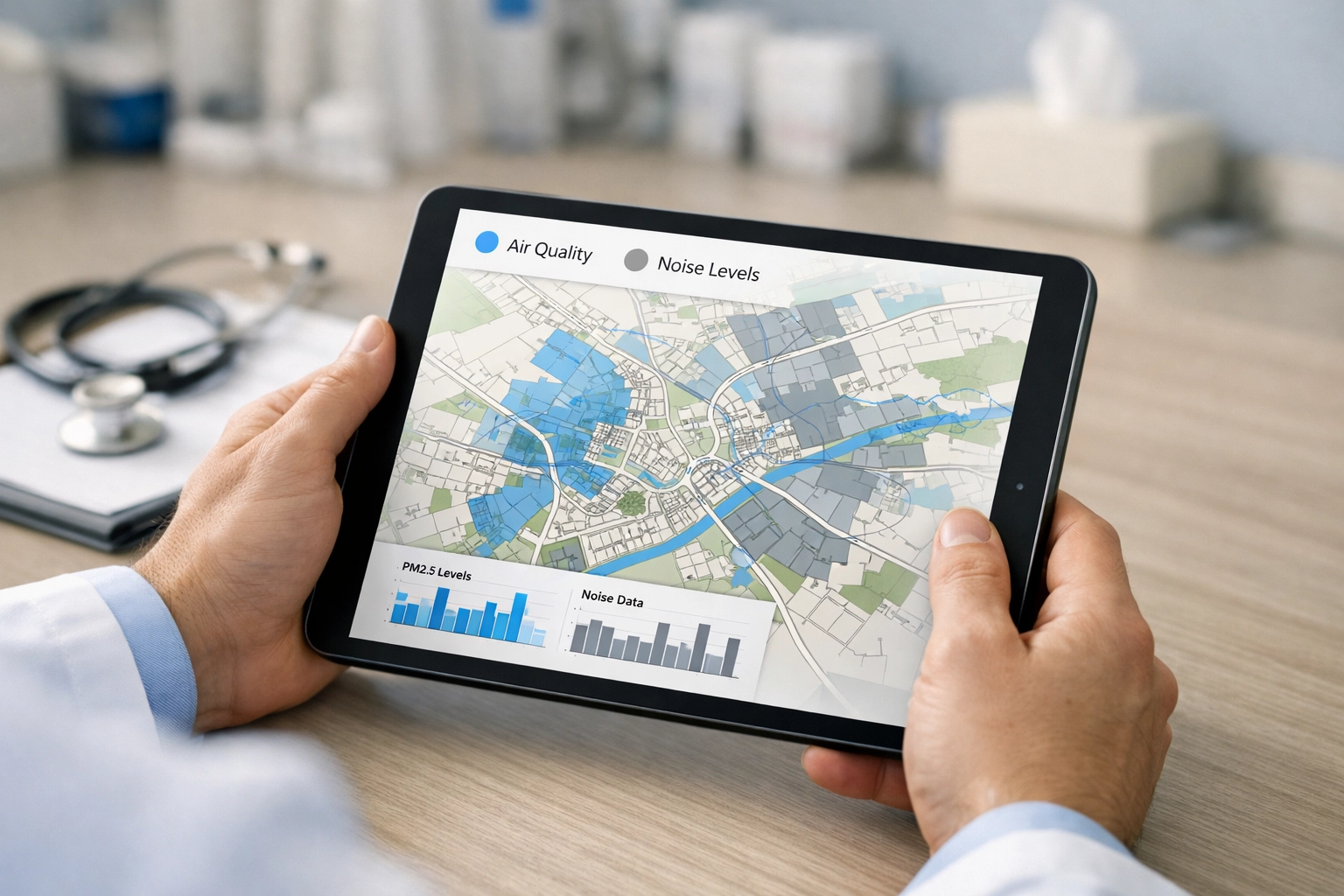
The 2026 update to the Air Quality Information System is designed to make data more granular and actionable. Rather than broad regional averages, the system now provides hyper-local insights. This is a critical development for NHS Strategy, as it allows Integrated Care Systems (ICS) to identify specific "hotspots" where respiratory admissions are likely to spike.
What this looks like on the ground is a more proactive approach to patient safety. The revamped system integrates with Digital Health platforms, allowing for automated alerts to be sent to at-risk patients when air quality is predicted to deteriorate. This isn't just about providing information; it’s about providing an early warning system that allows for preventative action before a flare-up occurs.
Integrating Environment into the Consultation
One of the most significant challenges for clinicians is how to weave environmental data into a time-pressed consultation. What patients and clinicians often describe is a feeling that pollution is a "big" problem that an individual cannot solve. However, by treating air quality as a vital sign, the conversation becomes more manageable and focused on risk mitigation.
During a routine review, a clinician might now check a patient’s local air quality index as routinely as they check their peak flow. This data allows for more tailored advice. For instance, if the data shows high particulate matter in the mornings, a patient may be advised to adjust their outdoor activity or ensure their windows are closed during peak traffic hours.
This approach helps to demystify the impact of the environment. It moves the conversation away from abstract "climate change" and toward the practical reality of how today’s air will affect today’s breathing.
Protecting the Most Vulnerable: Health Inequalities
The intersection of air quality and Health Inequalities cannot be ignored. Pollution is rarely distributed evenly across a population. Those living in areas of high deprivation are often exposed to the poorest air quality, frequently compounded by issues like fuel poverty and poor-quality housing.
Data suggests that air quality monitoring functions as a mirror for social inequality. Fine particulate matter (PM2.5) and nitrogen dioxide are often more concentrated in urban centres and near major transport routes, where lower-cost housing is situated. By prioritising air quality in a clinical setting, the NHS can better target resources toward the communities that need them most.
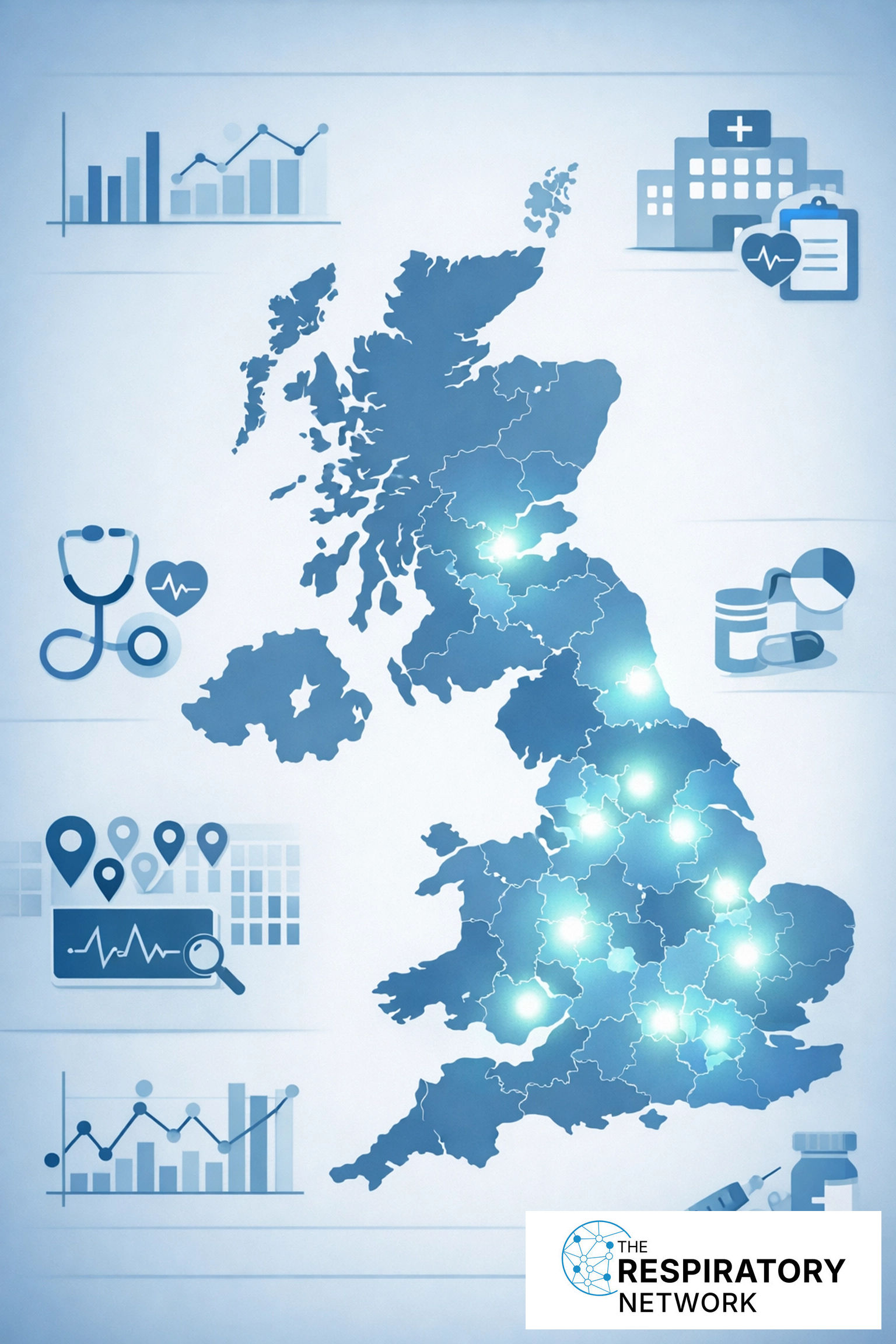
In practice, this might involve PCNs (Primary Care Networks) using air quality data to identify cohorts of patients for more frequent monitoring or early intervention. It is a data-driven way to address the "postcode lottery" of respiratory health.
Digital Health and Patient Empowerment
The role of MedTech and Digital Health in this transition is pivotal. We are seeing the emergence of "smart" inhalers and wearable sensors that can correlate a patient's symptoms with the exact air quality at their location in real-time.
For the Life Sciences sector, this provides a wealth of real-world evidence. Understanding how environmental triggers affect the efficacy of treatments allows for more nuanced pathway innovation. For the patient, it offers a sense of control. When a person with a chronic condition understands exactly what triggers their breathlessness, they are better equipped to manage their Lived Experience.
This digital integration also helps to reduce the burden on NHS Respiratory Services. By empowering patients with information and automated alerts, we can reduce the number of emergency admissions caused by environmental triggers. It is a move toward a more sustainable model of care that values prevention as much as treatment.
Reducing the Burden of Pollution-Related Flare-Ups
The ultimate goal of treating air quality as a clinical priority is the reduction of flare-ups and hospitalisations. We know that poor air quality doesn't just cause long-term damage; it has an immediate, acute effect on lung function.
By using the updated information system to provide an "early warning," clinicians can help patients stay ahead of their symptoms. This might involve clinical reviews scheduled ahead of high-pollution seasons or ensuring that self-management plans include specific actions to take when air quality is poor.
Sustainability in care is often discussed in terms of carbon footprints and green inhalers, which are undoubtedly important. However, true sustainability also involves creating a healthcare system that is resilient to environmental challenges. A system that accounts for the air we breathe is a system that is better prepared for the future.

The Path Forward: A Collaborative Effort
Transitioning air quality from an environmental metric to a clinical vital sign requires a collaborative effort across the entire respiratory network. It requires NHS Leadership to prioritise the integration of environmental data into clinical systems, Life Sciences to continue developing tools that monitor these interactions, and patients to be supported in using this information to manage their health.
As we look toward the future of breath, it is clear that the walls of the clinic are expanding. The environment is no longer "outside": it is a core component of the care pathway. By acknowledging this, we can move toward a more holistic, data-driven, and equitable form of respiratory care.
Medical Disclaimer:
The information provided in this blog is for informational purposes only and does not constitute medical advice. Always seek professional clinical guidance for medical conditions.
Join the Conversation
How are you integrating environmental data into your clinical practice or patient care pathways? We invite you to join our next Round Table event to explore the intersection of air quality and respiratory health in depth. Together, we can shape a more sustainable and responsive future for respiratory care in the UK.
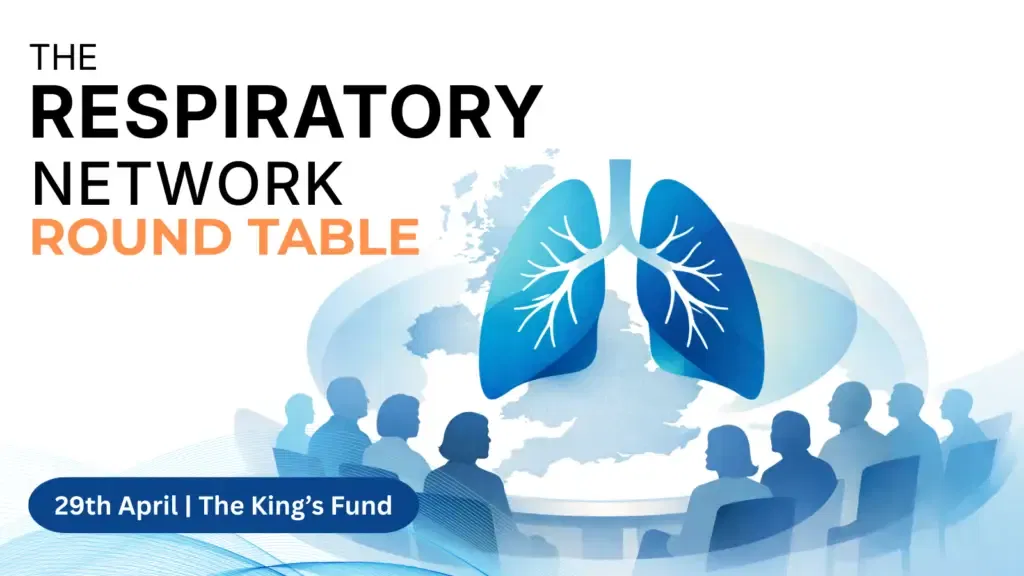
Join our next Round Table to explore the intersection of air quality and respiratory health.


Responses