Health as Wealth: Why Respiratory Stability is an Economic Priority

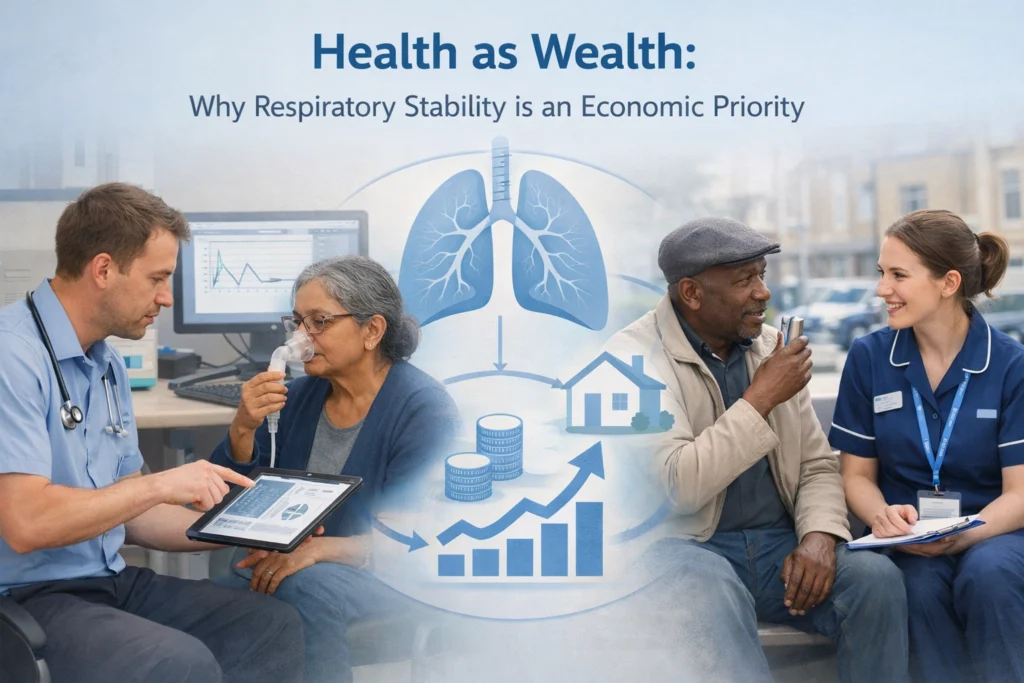
The conversation surrounding the UK's healthcare landscape is undergoing a fundamental shift. While the focus has historically remained on the clinical outcomes of the individual, there is a growing recognition within government and the Treasury that the health of the nation is inextricably linked to the health of the economy. Respiratory health, in particular, has emerged as a frontline issue in this new "health as wealth" framework.
For those working within the NHS, Life Sciences, and patient advocacy, the link between a person’s ability to breathe well and their ability to contribute to the workforce is well-understood. However, as the government’s 10-Year Health Plan begins to take shape, this connection is being quantified in ways that move respiratory care from a departmental budget line to a national economic priority.
The Economic Weight of Respiratory Ill-Health
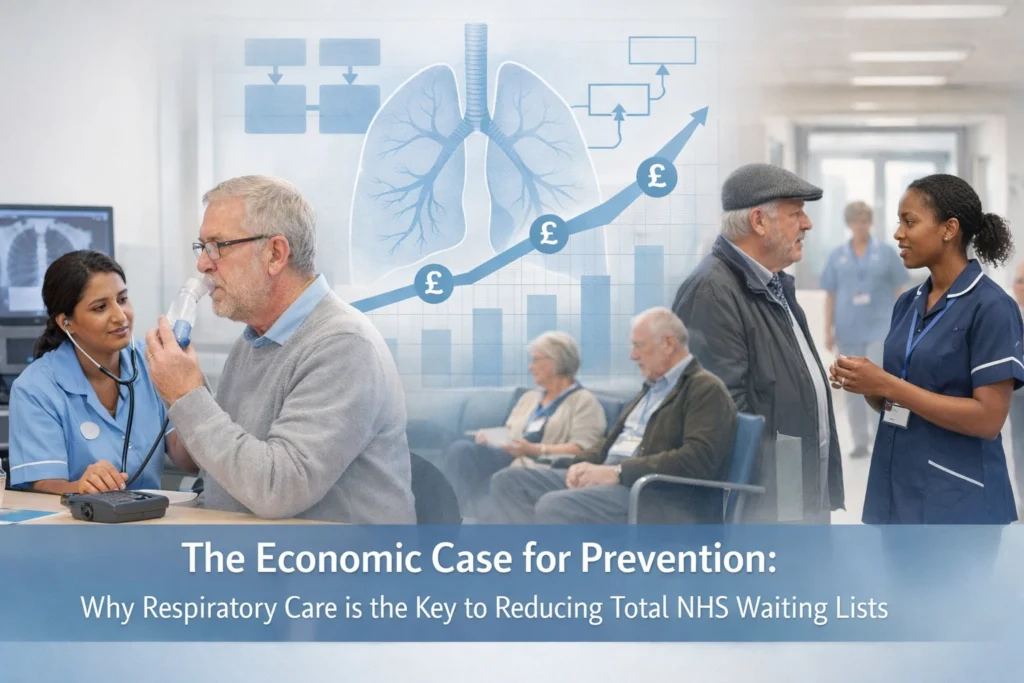
The financial burden of respiratory disease is often framed in terms of direct cost to the NHS: bed occupancy, emergency admissions, and primary care appointments. While these figures are significant, they represent only a portion of the total economic impact. The indirect costs, primarily driven by productivity loss and economic inactivity, are where the true weight lies.
Chronic Obstructive Pulmonary Disease (COPD) and asthma are not merely clinical challenges; they are significant drivers of workforce attrition. When a person’s condition is unstable, their ability to maintain consistent employment diminishes. This is not just about the days lost to acute exacerbations, but the "presenteeism" where individuals are at work but functioning at a fraction of their capacity due to breathlessness or fatigue.
In practice, this creates a ripple effect. A worker struggling with a chronic respiratory condition may find themselves forced into early retirement or long-term sick leave. This doesn’t just impact the individual’s household income; it removes skilled contributors from the economy and increases the demand on social security systems. Current data suggests that respiratory conditions are one of the leading causes of the rising numbers of "economically inactive" individuals in the UK, a metric the government is increasingly desperate to reverse.

Workforce Participation and Stability
The goal of respiratory care is shifting toward the concept of "stability." A stable patient is a productive citizen. When pathways are designed to keep patients out of crisis, the economic benefits are immediate.
What this looks like on the ground is a move toward proactive management rather than reactive intervention. When a patient has a clear, well-supported management plan that they can follow within their own community, the likelihood of them requiring sudden time off work decreases. This stability allows for career progression, consistent earning potential, and a reduction in the "health-wealth gap."
Conversely, the cycle of decline is often accelerated by workplace environments. For many in manual or industrial sectors, exposure to pollutants or irritants can exacerbate existing conditions. If the healthcare system only interacts with these individuals when they reach a point of crisis, the opportunity to preserve their economic contribution has already been lost. By the time a patient is frequently attending A&E, their attachment to the workforce is often already frayed.
Structural Inequalities and the Economic Cycle
We cannot discuss the economic impact of respiratory health without addressing the structural inequalities that underpin it. Respiratory disease does not affect all populations equally; it is concentrated in areas of lower socioeconomic status, where air quality is often poorer, housing is more likely to be damp or mouldy, and employment is more likely to involve physical labour in suboptimal conditions.
This creates a reinforcing cycle of disadvantage. Poor environmental factors lead to poor respiratory health, which leads to reduced economic mobility, which in turn traps individuals in the very environments that made them unwell in the first place.
What patients and clinicians often describe is the frustration of managing a condition in a vacuum. A clinical intervention can only do so much if the patient returns to a home that triggers their symptoms or a job that does not allow for the flexibility needed to manage a chronic illness. From an economic perspective, addressing these "wider determinants of health" is no longer an optional extra; it is a prerequisite for a productive workforce.
In Practice: The Shift to Community-Based Care
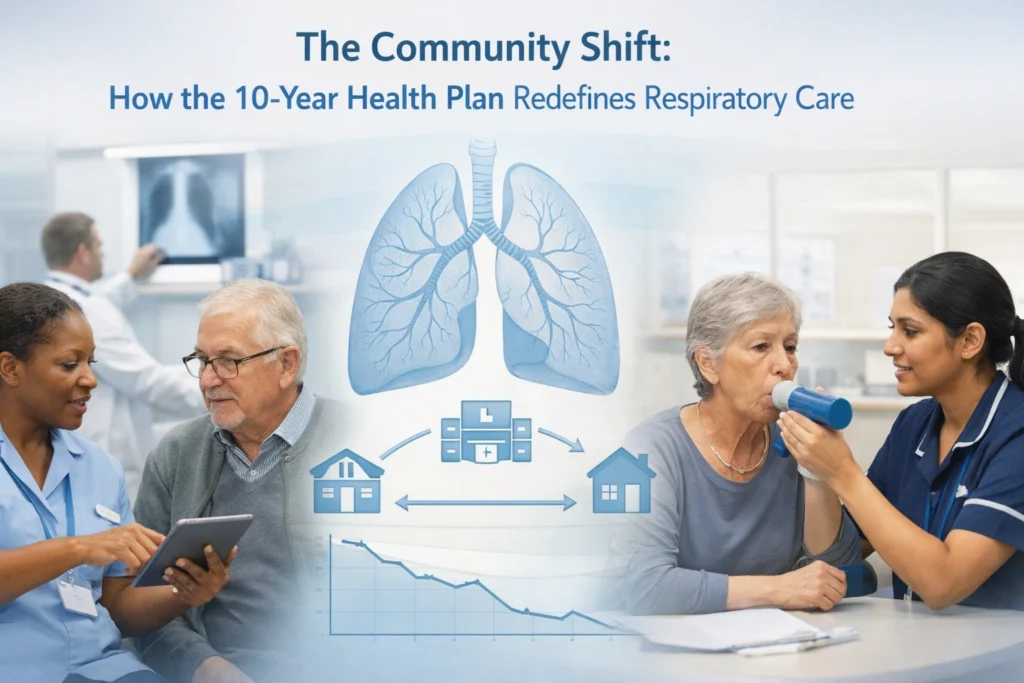
The recent emphasis on moving care closer to home: symbolised by the government's investment in respiratory transformation partnerships: is a direct response to these economic realities. The objective is to decentralise care, moving it away from expensive, high-pressure hospital settings and into the heart of the community.
In practice, this means identifying patients at risk of instability much earlier. It involves the integration of diagnostic tools and specialist expertise within Primary Care Networks (PCNs), ensuring that a patient doesn't have to wait for a specialist hospital appointment to receive an accurate diagnosis or a refined management plan.
What this looks like on the ground is a more agile healthcare service. When diagnostics are available locally, and when there is a clear pathway for escalating care before a crisis occurs, we see fewer "lost days." For a small business owner or a self-employed worker, the difference between a local 30-minute review and a half-day trek to a regional hospital is the difference between keeping a contract and losing it.
The Role of Innovation and Data
Data is the bridge between clinical outcomes and economic evidence. By tracking respiratory stability across populations, Integrated Care Systems (ICS) can begin to see where the economic "leaks" are happening. Are there specific postcodes where respiratory-related work absence is higher? Are there specific industries where patients are failing to maintain stability?
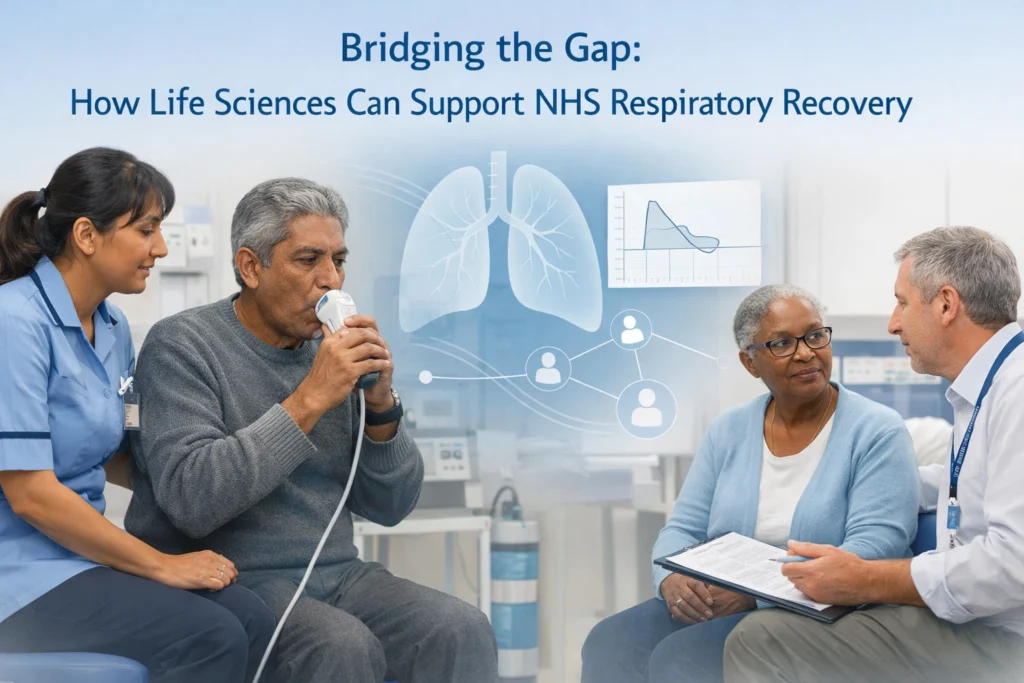
Life Sciences and industry partners are essential in this data-driven approach. The focus is moving toward how we can use insights to improve adherence and self-management. When patients are empowered with the right information and tools to manage their condition daily, the burden on the state decreases, and the "wealth" of the nation: measured in both health and productivity: increases.
A Purposeful Path Forward
Viewing respiratory health as an economic priority does not dehumanise the patient; rather, it elevates the importance of their care. It acknowledges that being healthy is the foundation of a fulfilling, self-determined life. When we invest in respiratory stability, we are investing in the UK's ability to grow, innovate, and prosper.
The challenge for the coming years is to ensure that this economic argument leads to sustained, practical changes in how pathways are funded and delivered. We must move beyond short-term "fixes" for winter pressures and toward a long-term strategy that treats every breath as a vital component of our national infrastructure.
Medical Disclaimer: The information provided in this blog is for informational purposes only and does not constitute medical advice. Always seek professional clinical guidance for medical conditions.
Join the Conversation
Understanding the intersection of health policy, data, and clinical practice is at the heart of what we do. If you are a healthcare professional, a leader in life sciences, or a patient advocate, we invite you to join our community to explore these insights further.
- Become a Member: Join our dedicated forums to discuss the future of respiratory care: The Respiratory Network Forums
- Stay Informed: Follow our latest updates on NHS Strategy & Leadership.
- Attend Our Next Event: Learn more about our upcoming Round Table on the future of respiratory care.

Responses