

The Respiratory Transformation Partnership: What It Means for Engagement


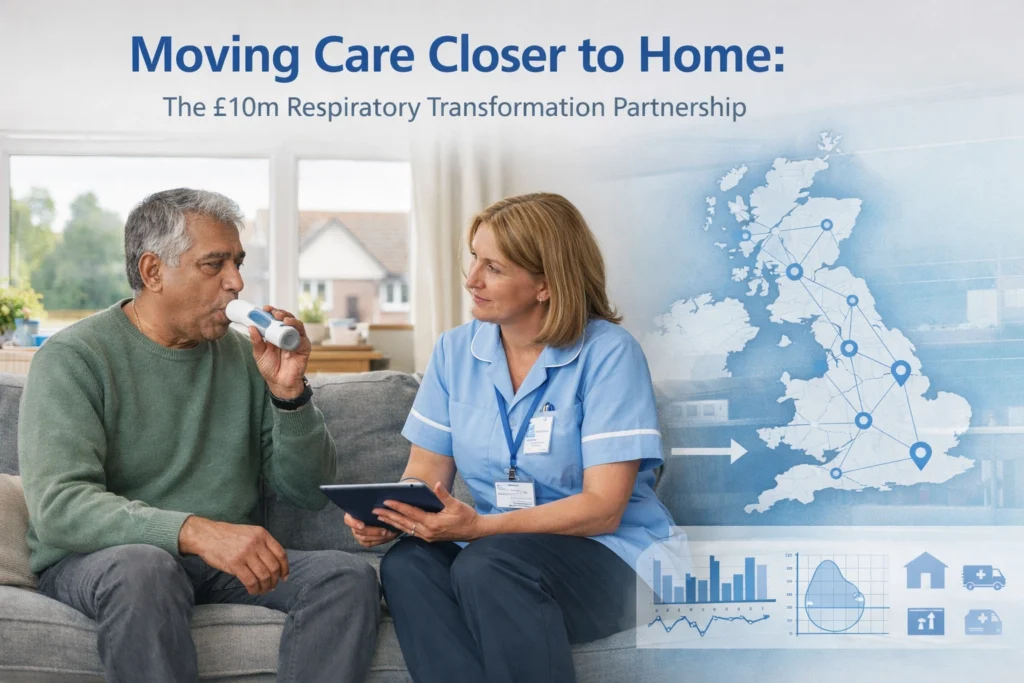
The landscape of respiratory care in the UK is currently undergoing a significant structural shift. With the announcement of the Respiratory Transformation Partnership (RTP), a £10 million national initiative, the focus has moved firmly toward a multi-stakeholder approach. Involving the Health Innovation Network, NHS England, the Office for Life Sciences, and key industry partners, the RTP is designed to address the long-standing challenges within asthma and COPD care.
For those working within NHS respiratory leadership, patient advocacy, or life sciences engagement UK, the RTP represents more than just a funding injection. It is a signal of how engagement will be conducted moving forward: less in isolation, and more through integrated, community-facing pathways.
Understanding the RTP Framework
The partnership is built on the premise that no single entity can solve the complexities of respiratory health alone. By bringing together 15 health innovation networks, Integrated Care Boards (ICBs), and industry partners, the framework seeks to move the needle on early identification and equitable care.
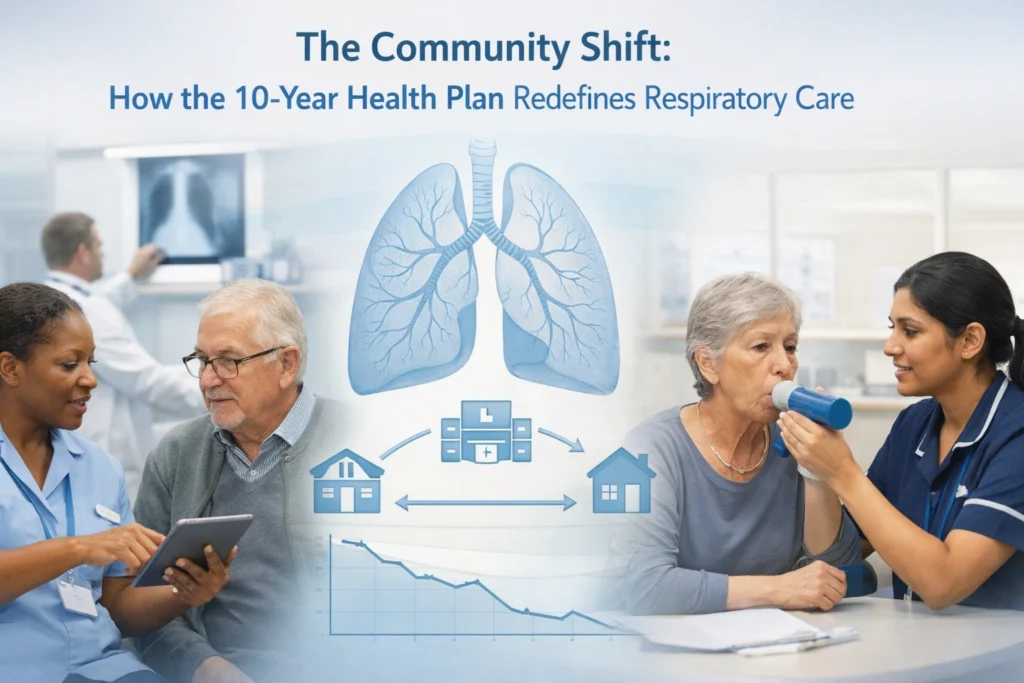
In practice, this means the traditional boundaries between "industry" and "the NHS" are being blurred in favour of shared outcomes. The goal is to shift treatment from acute hospital settings into the heart of the community, aligning with the broader 10-Year Health Plan. For clinical leads, this shift necessitates a rethink of how workforce capability is built and how digital tools are deployed to support patients where they live, rather than where they are admitted.

What This Looks Like on the Ground: The Clinical Perspective
For an NHS clinical lead, the RTP framework addresses a familiar frustration: the fragmentation of care. What clinicians often describe is a system where a patient is stabilised in a secondary care environment, only to struggle with management once they return to a primary care setting that may lack the resources or specialized training to maintain that stability.
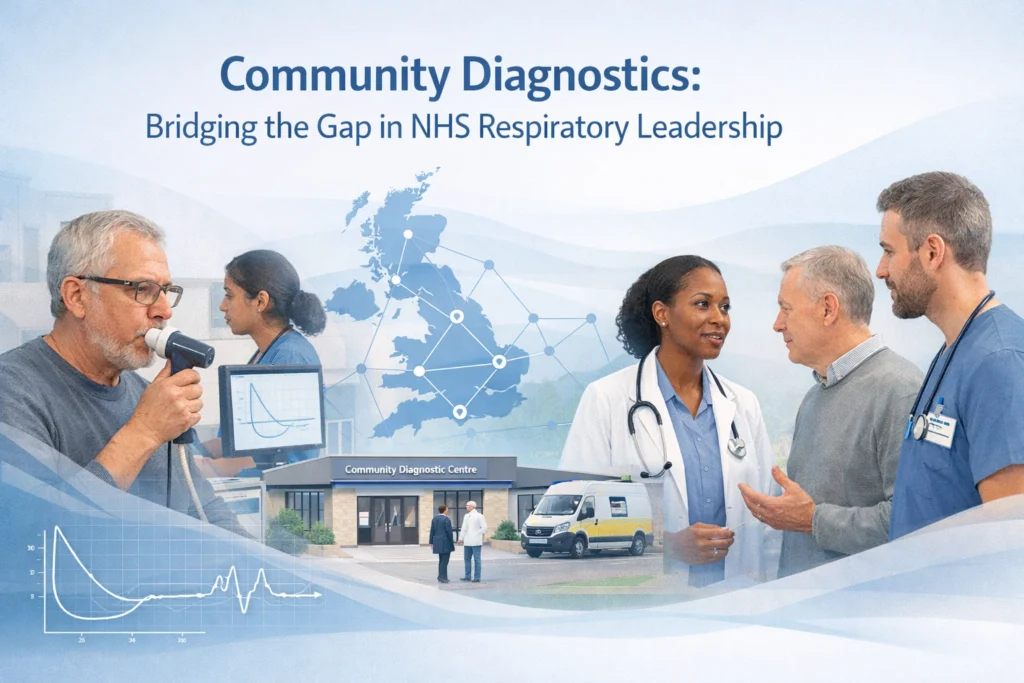
The RTP aims to bridge this gap by focusing on "neighborhood services." What this looks like on the ground is the deployment of community-based diagnostic hubs and enhanced training for primary care networks (PCNs). By moving diagnostics: such as spirometry: closer to the patient’s home, the system can identify chronic conditions earlier, reducing the burden on emergency departments.
However, this transition requires a specific type of leadership. NHS respiratory leadership must now navigate the complexities of multi-partner governance. It is no longer just about managing a clinical team; it is about managing a pathway that involves data sharing with health innovation networks and co-designing services with industry partners who provide the tools for remote monitoring and digital engagement.
Redefining Life Sciences Engagement UK
For Directors in the Life Sciences sector, the RTP changes the "rules of engagement." Historically, the relationship between industry and the NHS has often been transactional. The RTP moves toward a model of "transformational engagement."
Rather than focusing on the delivery of a specific product, industry partners are now being asked to contribute to the sustainability of the pathway itself. This includes:
- Workforce Capability: Providing the educational frameworks and technical support needed for new community roles.
- Digital Integration: Ensuring that innovative tools for patient management can actually "talk" to NHS systems.
- Data Insights: Using real-world evidence to identify where care is failing and how it can be improved.
The involvement of four major pharmaceutical companies in the RTP is a testament to this shift. It is an acknowledgement that for a treatment to be effective, the system around the patient must be functioning optimally. Engagement is now measured by how well a partner helps the NHS meet its long-term strategic goals, such as reducing health inequalities and improving diagnostic accuracy.

The Patient Advocate: Lived Experience as a Core Pillar
A critical element of the RTP is the emphasis on putting patients and communities at the heart of the partnership. What patients and clinicians often describe as a "top-down" approach is being replaced by a commitment to co-production.
For patient advocates, the RTP offers a platform to ensure that "transformation" actually translates to a better quality of life. Shifting care to the community is only successful if the community services are accessible, culturally competent, and properly resourced. In practice, this means that patient representatives must be involved in the design of neighborhood services from the outset, ensuring that digital tools are user-friendly and that the diagnostic journey is clear.
Early identification is a major focus of the RTP. For a patient, this could mean the difference between years of undiagnosed breathlessness and a proactive management plan that prevents an acute crisis. By focusing on equitable care, the RTP aims to reach underserved populations who historically have had poorer outcomes in respiratory health.
The Role of Technology and Data
By December 2027, the RTP aims to have created a blueprint for system-wide innovation. Central to this blueprint is the use of data. We are moving away from retrospective audits toward proactive population health management.
What this looks like on the ground is the use of integrated data platforms that allow ICBs to identify "hotspots" of respiratory distress: perhaps linked to poor housing or air quality: and direct resources accordingly. For life sciences partners, providing the expertise to navigate these data sets is a key part of the new engagement model.
Digital tools, including remote monitoring and diagnostic software, are being scaled across the 15 health innovation networks. This isn't just about the technology itself; it's about the "implementation science" behind it: ensuring that the workforce knows how to use the data to make better clinical decisions.

Challenges and Considerations
While the RTP provides a structured path forward, it is not without its challenges. The shift from hospital to community requires a significant cultural change within the workforce. There is also the ongoing pressure of the elective recovery backlog and the immediate needs of the frontline, which can sometimes make long-term transformation feel like a secondary priority.
Furthermore, the success of the RTP depends on the consistency of the "blueprint." What works in one Integrated Care System (ICS) may need significant adaptation in another. The role of The Respiratory Network in this context is to facilitate the sharing of these insights, ensuring that a success in one region becomes a standard of care in another.
Moving Forward Together
The Respiratory Transformation Partnership is a bold experiment in collaborative healthcare. It acknowledges that the complexities of respiratory care UK: from the diagnostic backlog to the challenges of managing chronic conditions in an aging population: require a unified response.
For engagement to be effective within this new framework, all parties must remain focused on the practicalities of the pathway. Whether you are a clinical lead looking to optimize your local service, a patient advocate ensuring the voice of lived experience is heard, or a life sciences director seeking to support NHS strategy, the RTP provides the structure to align these goals.
The transition to community-based care is not just a policy shift; it is a practical necessity. By working together through these partnerships, we can build a respiratory service that is not only more efficient but also more human, focusing on keeping people well and at home rather than just treating them when they arrive at the hospital door.

Join the Conversation
The Respiratory Network exists to sit in the space between these stakeholders, fostering the calm, purposeful dialogue needed to make these transformations a reality. We invite you to explore our documents and forums to see how others are navigating these changes.
Become a Member: To stay updated on the latest shifts in respiratory care and to connect with peers across the NHS and Life Sciences, consider joining our community as a member.
Attend Our Next Event: We regularly host round table discussions and events designed to unpack these strategic shifts. View our upcoming schedule on our events page.
Together, we can ensure that the Respiratory Transformation Partnership delivers on its promise for clinicians, industry, and, most importantly, the patients we serve.
Disclaimer: The content provided in this blog is for informational purposes only and is intended to foster professional discussion within the healthcare and life sciences community. It does not constitute medical advice, diagnosis, or treatment. Always seek the advice of a qualified health provider with any questions you may have regarding a medical condition. The Respiratory Network does not recommend or endorse any specific clinical tests, products, or procedures.
Responses