Place-Based Care Models: The Secret to Reducing Respiratory Health Inequalities in the UK

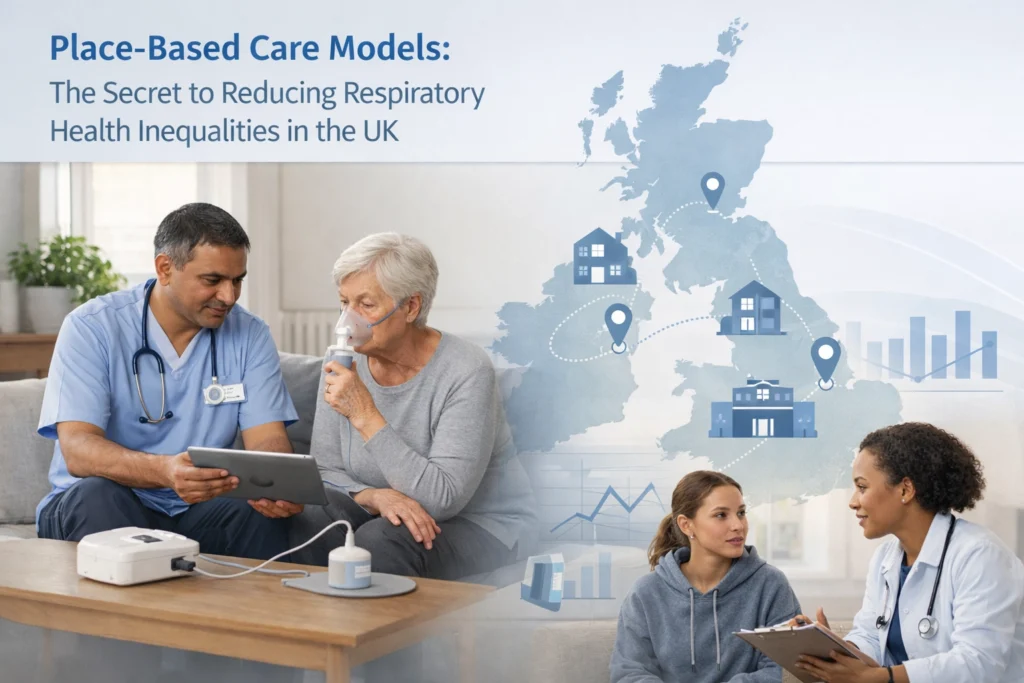
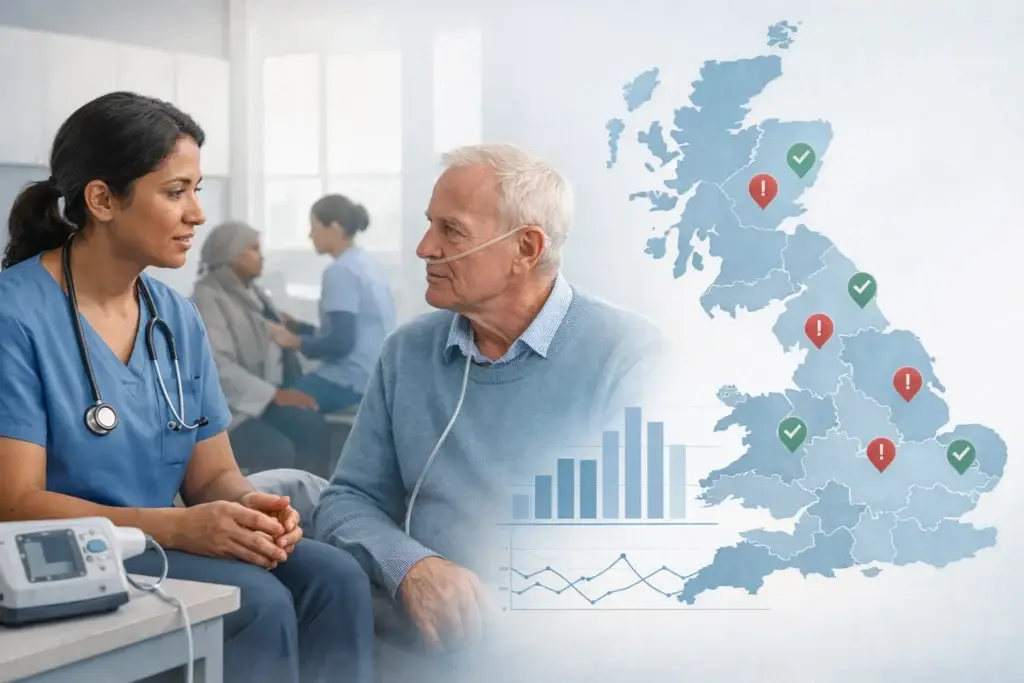
The geography of a person’s life shouldn’t determine the quality of the air they breathe or the longevity of their lung health. Yet, in the UK, the “postcode lottery” remains a stubborn reality. For NHS leaders and policy makers, the challenge of respiratory health is no longer just about clinical excellence in a hospital setting; it is about how care is woven into the fabric of local communities.
Place-based care is often discussed in abstract policy terms, but in practice, it represents a fundamental shift in how we approach chronic breathlessness, asthma, and COPD. By moving the focus away from the acute hospital bed and toward the neighbourhood, we can begin to dismantle the structural inequalities that have seen the most deprived communities suffer the highest rates of emergency admissions and premature mortality.
The Context of Respiratory Inequality
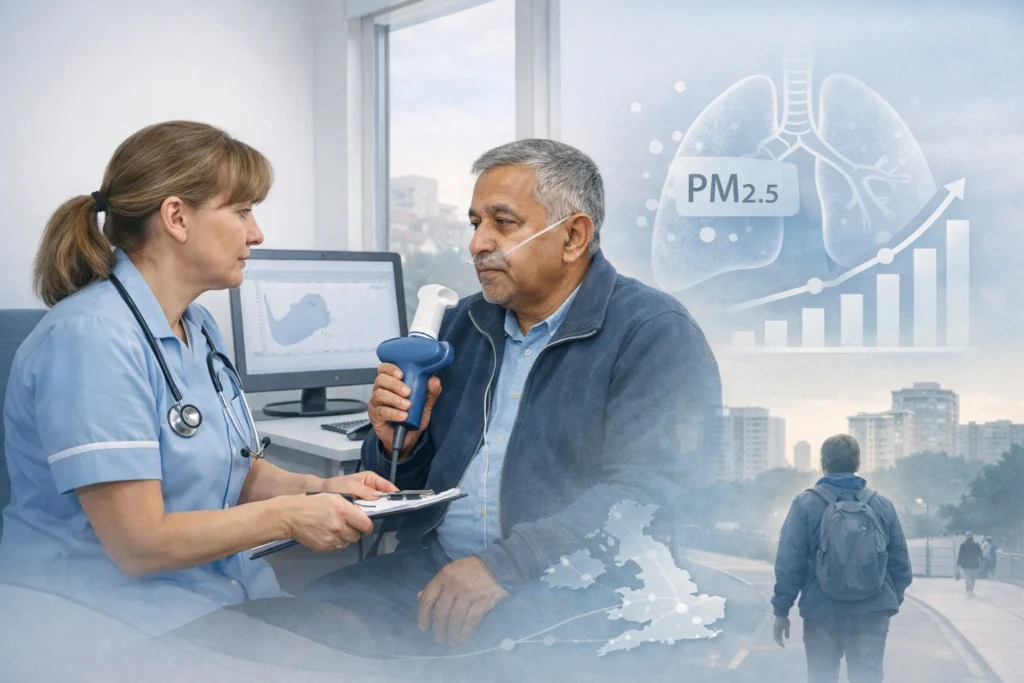
Respiratory disease is a leading cause of the gap in life expectancy between the richest and poorest areas of the UK. Factors such as poor housing quality, air pollution, and occupational hazards are not distributed evenly. Consequently, a traditional, one-size-fits-all clinical pathway often fails those who need it most.
When care is centralised in large hospitals, barriers to access, ranging from transportation costs to the complexity of navigating multi-site appointments, disproportionately affect vulnerable populations. Place-based care models aim to strip away these barriers by embedding specialist expertise within primary care networks and community hubs.

Shifting from Reactive to Proactive Models
For decades, the standard respiratory model has been reactive: a patient waits for a flare-up, calls an ambulance, and is treated in an emergency department. Place-based care flips this logic. By establishing neighbourhood clinics, Integrated Care Systems (ICSs) can move toward a model of early diagnosis and proactive management.
What this looks like on the ground is the integration of multidisciplinary teams, including pharmacists, physiotherapists, and nurse specialists, working directly within GP practices. In regions where these models have been piloted, such as the Dudley Neighbourhood Respiratory Model, the results speak for themselves. Referral-to-treatment times, which often stretch from six months to a year in traditional setups, have been reduced to under six weeks in some community-led frameworks.
By identifying patients early, particularly those with complex needs or co-morbidities, these models prevent the “crisis point” that leads to hospitalisation. This is not just a matter of clinical efficiency; it is a matter of equity. Those in deprived areas are statistically less likely to seek early intervention unless that intervention is visible, accessible, and integrated into their daily lives.
The Role of Integrated Care Systems and Local Leadership
The success of place-based care depends heavily on the maturity of the Integrated Care System. It requires a move away from siloed working where secondary care (hospitals) and primary care (GPs) operate as distinct entities with separate budgets and objectives.
Local leadership is the “secret sauce” in this transition. NHS leaders who understand the specific demographics of their Integrated Care Board (ICB) can tailor services to match local reality. For example, a coastal town with an ageing population and high rates of smoking-related illness requires a different respiratory strategy than an inner-city borough with high levels of childhood asthma driven by traffic pollution.
In practice, this means giving local clinical leads the autonomy to design pathways that make sense for their specific “place.” It involves creating shared data environments where a consultant can provide specialist input into a community clinic’s caseload without the patient ever needing to travel to a regional centre.
Beyond the Clinic: Social Determinants
One of the most significant advantages of a place-based approach is the ability to look beyond the prescription pad. Respiratory health is inextricably linked to social determinants. A patient living in a damp, mouldy flat will continue to present with exacerbations regardless of the medication they are prescribed.
When respiratory services are delivered at a neighbourhood level, the opportunity for holistic care increases. Integrated teams can facilitate direct referrals to housing agencies, social prescribing links, and community campaigns. This “whole-person” approach is essential for reducing inequalities. It acknowledges that healthcare is only one part of the solution; the environment in which the patient lives is equally critical.
Collaborative Innovation with Life Sciences
The role of the Life Sciences industry in this new landscape is changing. It is no longer just about supplying medicines; it is about supporting the pathway. When industry partners align their goals with the place-based objectives of an ICB, they become part of the system rather than external vendors.
This collaboration is vital for the roll-out of advanced therapies and diagnostics. For instance, the transition to newer biologic treatments for severe conditions requires a robust, well-mapped pathway. If the pathway is fractured at the community level, patients in underserved areas may never even be identified as candidates for these innovations. By working together to map these local “places,” the NHS and Life Sciences can ensure that innovation reaches every corner of the country, not just the flagship teaching hospitals.
What Patients and Clinicians Often Describe
In discussions within The Respiratory Network forums, a recurring theme is the sense of “disconnection.” Patients often feel they are being passed between various professionals who don’t talk to each other. Clinicians express frustration at seeing the same patients return to the ward because the community support wasn’t there to maintain their health at home.
Place-based care addresses this disconnection. It fosters a sense of ownership among local teams. When a specialist nurse knows the local GP and the local community pharmacist by name, the patient experience becomes seamless. The “system” starts to feel like a “service.”
The Evidence of Impact
The data supporting community-embedded respiratory care is compelling. Beyond reducing wait times, these models have shown a stabilizing effect on hospital admissions even when national trends are rising. Pulmonary rehabilitation, when delivered in a community setting or even via supported home programs, has been shown to improve exercise capacity and quality of life significantly more effectively than when patients are expected to travel long distances to hospital-based gyms.
Furthermore, the “Catching Our Breath” report and recent NRAP findings highlight that only a tiny fraction of patients are referred to necessary rehab after hospital discharge. Place-based models bridge this gap by making rehabilitation a local, accessible expectation rather than a logistical hurdle.
A Grounded Path Forward
Reducing respiratory health inequalities is not a task that can be completed in a single budget cycle. It requires a long-term commitment to shifting the centre of gravity of the NHS toward the community.
For policy makers, the focus must remain on supporting ICBs to build business cases that prioritise prevention and community access. For Life Sciences, the opportunity lies in becoming a partner in pathway design. And for clinicians, the reward is a system that allows them to treat the person in the context of their life, not just the disease in the context of a hospital ward.
Place-based care isn’t just a “secret” to reducing inequality; it is the logical evolution of a modern, fair healthcare system.
Category: Policy & Innovation
Tags: Place-based care, Respiratory health UK, Health inequalities, NHS respiratory leadership, Respiratory pathway
Join the Conversation
Are you an NHS leader, a clinician, or a Life Sciences professional working to reshape respiratory pathways in your “place”? The Respiratory Network is a space where these conversations happen every day.
- Become a Member: Join our growing community of experts and advocates. Join here
- Attend our Round Table: Our next major discussion on policy and place-based care is happening soon. View Event Details
- Follow us on Social Media: Stay updated with the latest insights and news from across the respiratory landscape.
Please note: The information provided in this article is for educational and informational purposes only and does not constitute medical advice. Always seek the advice of a qualified healthcare professional regarding any medical condition or treatment. The Respiratory Network does not endorse specific medications or treatments.
Responses