

Hitting the Targets: A Guide to the Newest NHS Respiratory Care Quality Standards

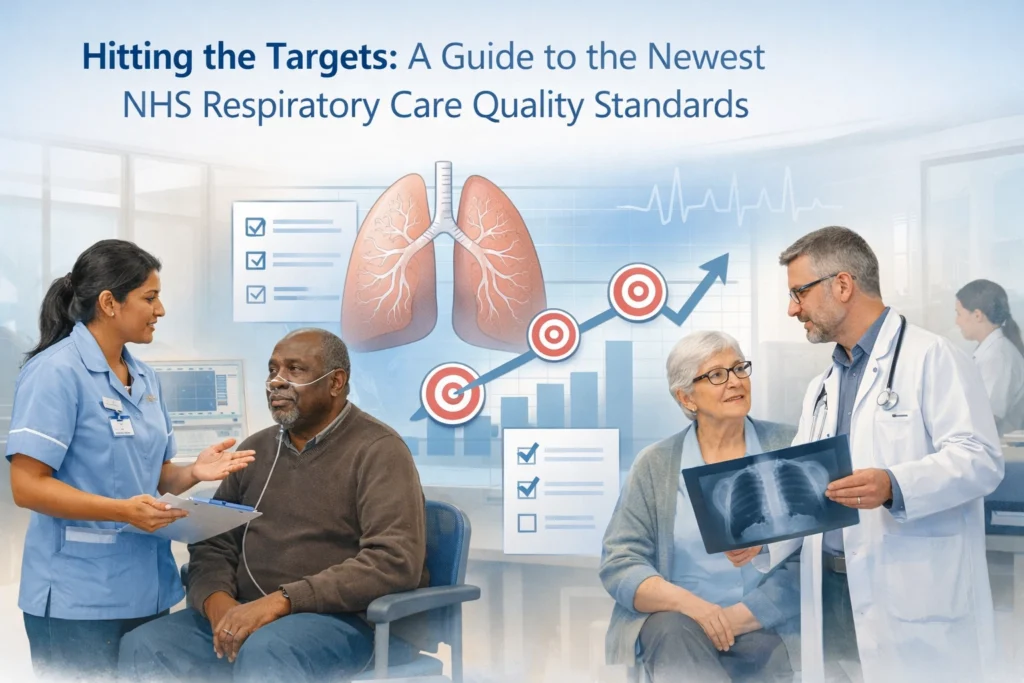
As we move into the 2025/26 commissioning cycle, the landscape of respiratory care in the UK is undergoing a period of significant refinement. For those working within Integrated Care Boards (ICBs) and Primary Care Networks (PCNs), the focus has shifted from pandemic recovery toward a more structured, data-driven approach to long-term condition management.
The latest quality standards and frameworks are not merely checkboxes; they represent a collective effort to address the historical variability in care for asthma and COPD. What patients and clinicians often describe is a system that is eager to improve but frequently hampered by capacity. Understanding these new standards is the first step toward building pathways that are both sustainable for the workforce and effective for the person living with a respiratory condition.
Please note: The information provided in this post is for informational and educational purposes only. It does not constitute medical advice or clinical recommendation. For specific patient management or clinical guidance, please refer to your local NHS trust protocols or official NICE guidelines.
The 2025/26 Quality and Outcomes Framework (QOF)
The Quality and Outcomes Framework remains the primary lever for driving clinical excellence in primary care. For the upcoming year, the standards for asthma and COPD have been tightened to ensure that "routine" care is truly comprehensive.
Asthma: The Shift Toward Objective Diagnosis
One of the most significant updates in the AST012 indicator is the requirement for objective testing. For any patient newly diagnosed with asthma from April 1, 2025, an objective test must be recorded within the window of three months before or three months after the diagnosis.
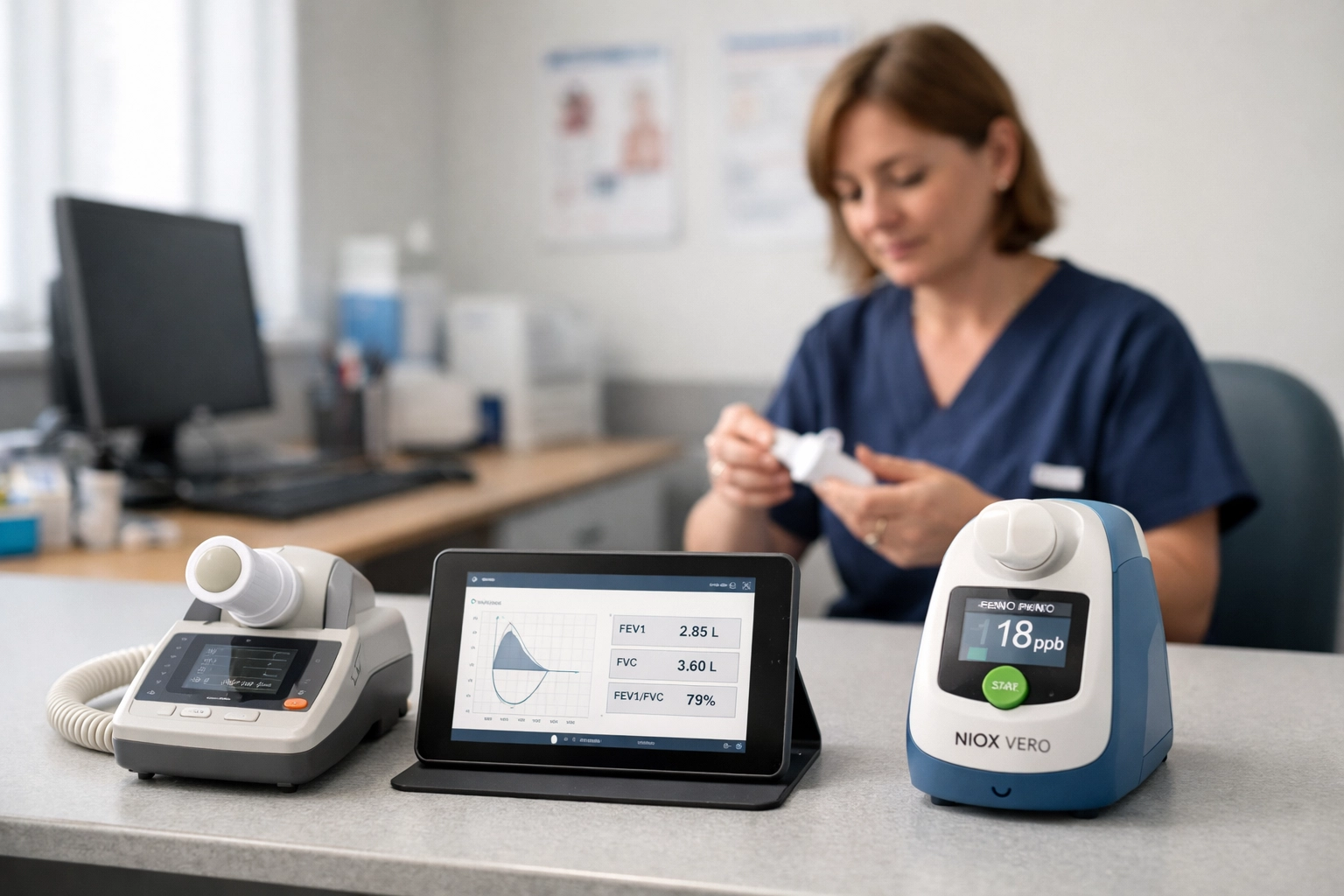
In practice, this means that clinical leads must ensure that diagnostic hubs or PCN-level clinics have the necessary equipment: such as spirometry or fractional exhaled nitric oxide (FeNO) testing: available and staffed by trained professionals. The target threshold of 45–80% acknowledges that while immediate access to testing is the goal, there are still legacy backlogs to clear.
Furthermore, indicator AST007 mandates that every patient on the asthma register receives an annual review. This review is no longer a "tick-box" exercise; it must include:
- An assessment of asthma control using a validated tool.
- A recorded history of exacerbations.
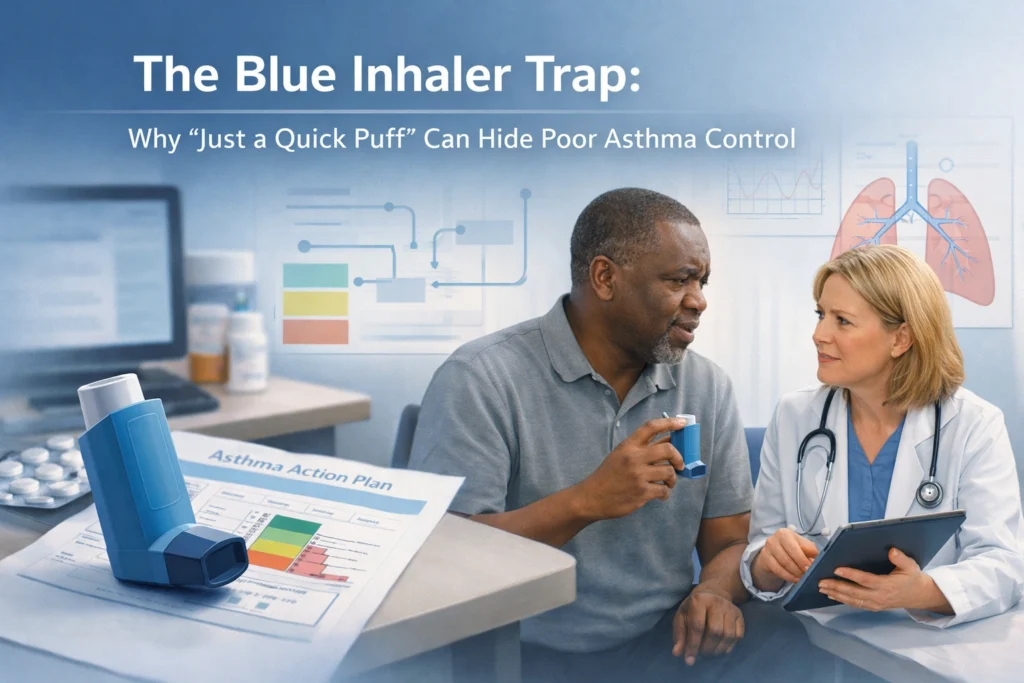
- A physical demonstration of inhaler technique.
- The provision of a written personalised action plan.
What this looks like on the ground is a move away from telephone-only reviews toward a model where technique and self-management are prioritised. For Life Sciences partners, this presents an opportunity to support the NHS by providing educational resources and tools that facilitate these reviews without adding to the administrative burden.
COPD: Consistency in Review
For Chronic Obstructive Pulmonary Disease (COPD), the focus for 2025/26 (Indicator COPD010) is on the quality of the annual review. The standard requires that patients have had a review in the preceding 12 months which specifically includes a record of exacerbations and a breathlessness assessment using the Medical Research Council (MRC) dyspnoea scale.
The target threshold for this is set between 50–90%. Achieving the upper end of this target requires a proactive approach to identifying patients who may have disengaged from services. It also necessitates a clear understanding of the MRC scale across the entire multidisciplinary team (MDT) to ensure data consistency.
The Broader Quality Standards: BTS and National Plans
While QOF provides the framework for primary care, the British Thoracic Society (BTS) quality standards act as markers for high-quality, cost-effective care across the entire patient pathway. These standards are increasingly being used by NHS leaders to justify investment in specialised respiratory services.
In Scotland, the Respiratory Care Action Plan (2021-2026) is entering its final phases, with a heavy emphasis on consistent access to diagnostic tests such as chest and lung CT scans. Similarly, the Welsh Respiratory Network is focusing on re-establishing routine care processes that were disrupted over the last few years.
What these regional plans share is a commitment to workforce development. Meeting quality standards is impossible without a workforce that feels supported and has the time to implement these changes. This is where networking and engagement become vital. By sharing best practices across regional borders, clinical leads can find "quick wins" that have already been proven in similar demographics.
Practical Implementation: Bridging the Gap
Meeting these targets requires more than just clinical knowledge; it requires operational excellence. NHS leaders are currently facing the challenge of building business cases for new respiratory innovations and pathways while under intense financial scrutiny.
In practice, this involves:
- Data Integration: Using population health management tools to identify high-risk patients who are missing their annual reviews or objective tests.
- MDT Collaboration: Ensuring that pharmacists, nurses, and GPs are all working toward the same QOF targets with a shared understanding of the latest guidance.
- Industry Partnerships: Engaging with Life Sciences partners who can offer more than just products. Value-added services, such as nurse-led audit support or patient education programs, are becoming essential components of the respiratory care ecosystem.
We often see that the most successful PCNs are those that treat the quality standards as a baseline rather than a ceiling. They use the data generated by QOF and NRAP (National Respiratory Audit Programme) to identify where their local population is being underserved. For instance, the recent insight that only a small percentage of COPD patients are being referred to pulmonary rehabilitation post-hospitalisation is a clear area where "Clinical Excellence" can be improved by better pathway design.
The Role of The Respiratory Network
At The Respiratory Network, we believe that no single part of the system can hit these targets in isolation. The bridge between Life Sciences, NHS leadership, and clinical practice is where real change happens.
Our mission is to provide the space for these conversations to happen. Whether it is through our public forums or our more focused round table events, we aim to clarify the context behind the policy.
Understanding the "why" behind the new quality standards allows clinicians and industry leaders to move beyond compliance and toward genuine improvement in patient outcomes. When we align our goals: whether they are QOF targets, ICB financial sustainability, or improved quality of life for the person with asthma: the entire system benefits.

Conclusion: Moving Toward 2026
The newest NHS respiratory care quality standards are a call to action for everyone involved in the field. They ask for more objective data, more personalised care, and more consistent follow-up. While the pressure on the system remains high, the clarity provided by these standards offers a roadmap for the coming year.
We encourage you to stay informed and stay connected. The respiratory community is at its strongest when we share insights and support one another through these transitions.
Take the next step in your professional development:
- Join the Conversation: Register for our Forums to discuss these standards with your peers across the UK.
- Attend our Event: Secure your place at The Respiratory Network Round Table 2026 to hear directly from NHS leaders about the future of respiratory care.
- Explore our Resources: Browse our topic sitemap for more in-depth articles on clinical excellence and healthcare networking.
- Contact Us: If you are a Life Sciences director looking to better understand how to support the NHS in meeting these targets, get in touch today.
By working together, we can ensure that "hitting the targets" is not just a management goal, but a reality for every patient across the country.

Responses