Beyond the Hospital Walls: Scaling Biologics in a Community Setting

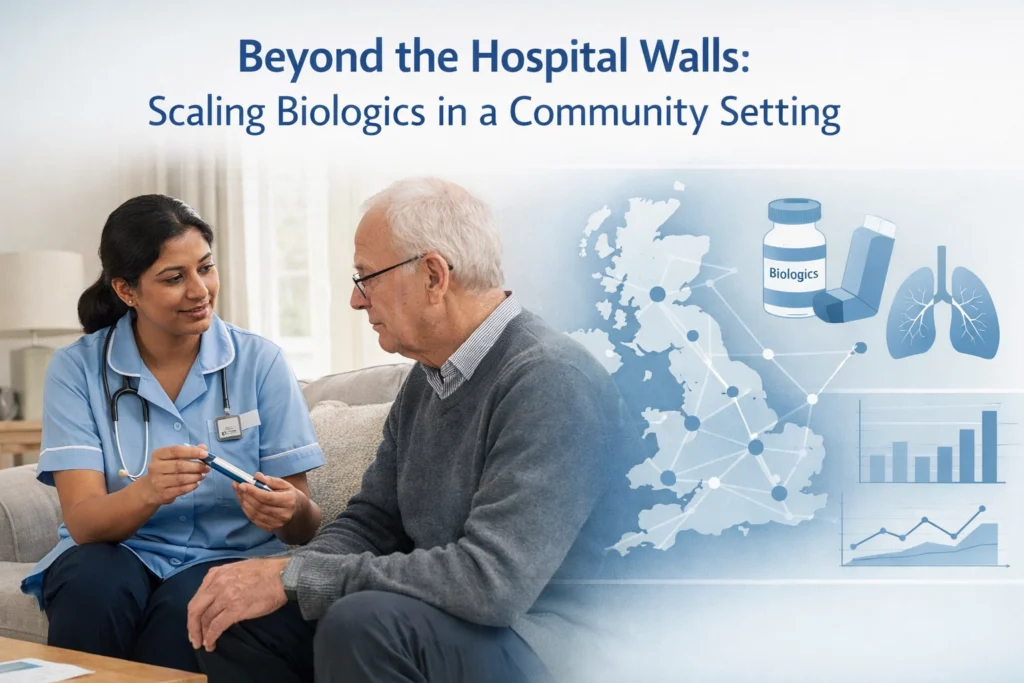
The landscape of respiratory care is undergoing a quiet but significant shift. For years, the administration of advanced therapies: specifically biologics: was almost exclusively the domain of secondary care. The hospital was the hub, the safety net, and the only point of delivery. However, as our understanding of patient pathways evolves and the pressure on acute services intensifies, the conversation is moving toward how we can safely and effectively transition these treatments into community settings.
This transition is not merely about a change of postcode for a clinical appointment. It represents a fundamental redesign of the respiratory pathway, one that prioritises accessibility and the lived experience of the individual while maintaining the rigorous safety standards required for complex therapies.
The Evolution of the Pathway
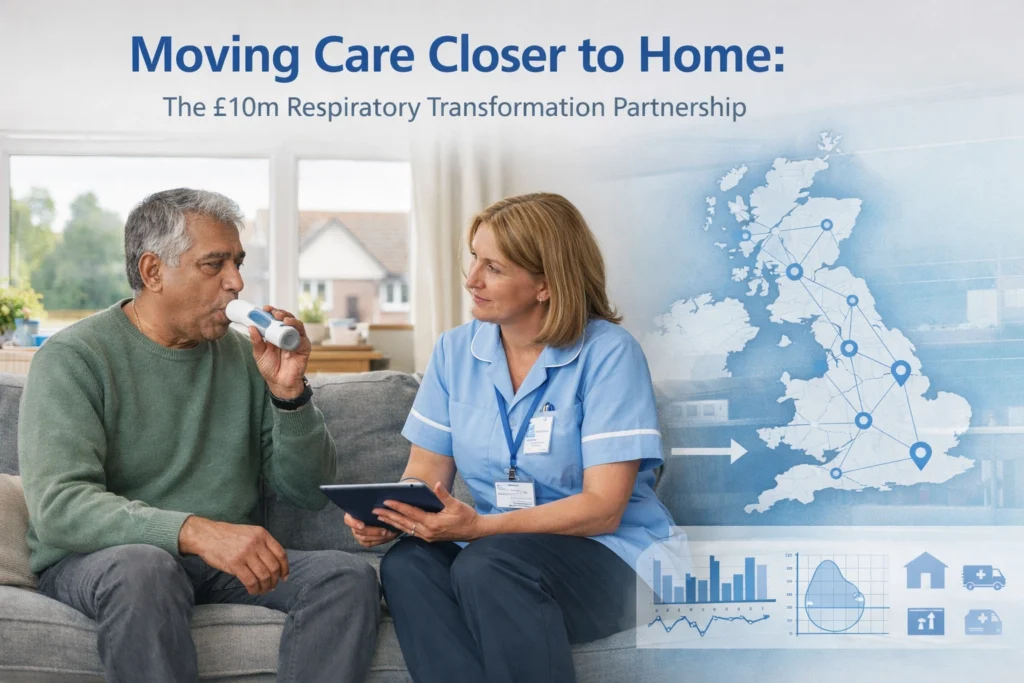
In practice, the drive to move care closer to home is rooted in a desire to reduce the burden on both the system and the person receiving treatment. For many living with severe respiratory conditions, the journey to a specialist hospital centre can be a significant undertaking, often involving long travel times, increased fatigue, and the disruption of daily life.
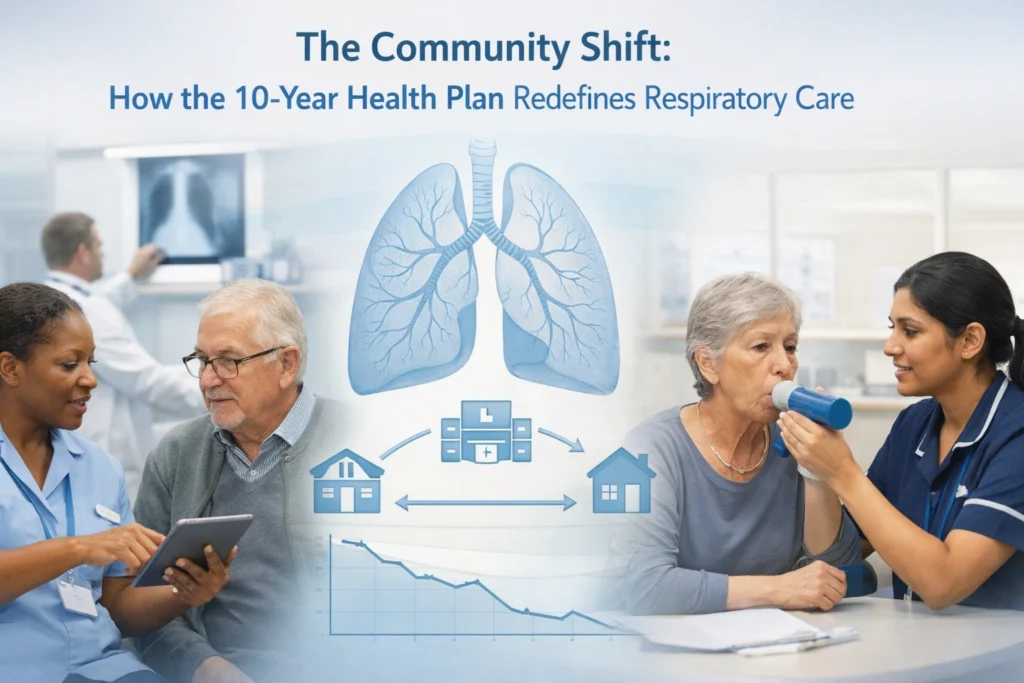
What this looks like on the ground is a move toward a more distributed model of care. We are seeing a gradual decentralisation where the specialist hospital remains the centre of expertise, but the delivery of care is shared across a wider network. This includes provider offices, free-standing infusion suites, and, in some cases, the patient’s own home.
Defining the Community Setting
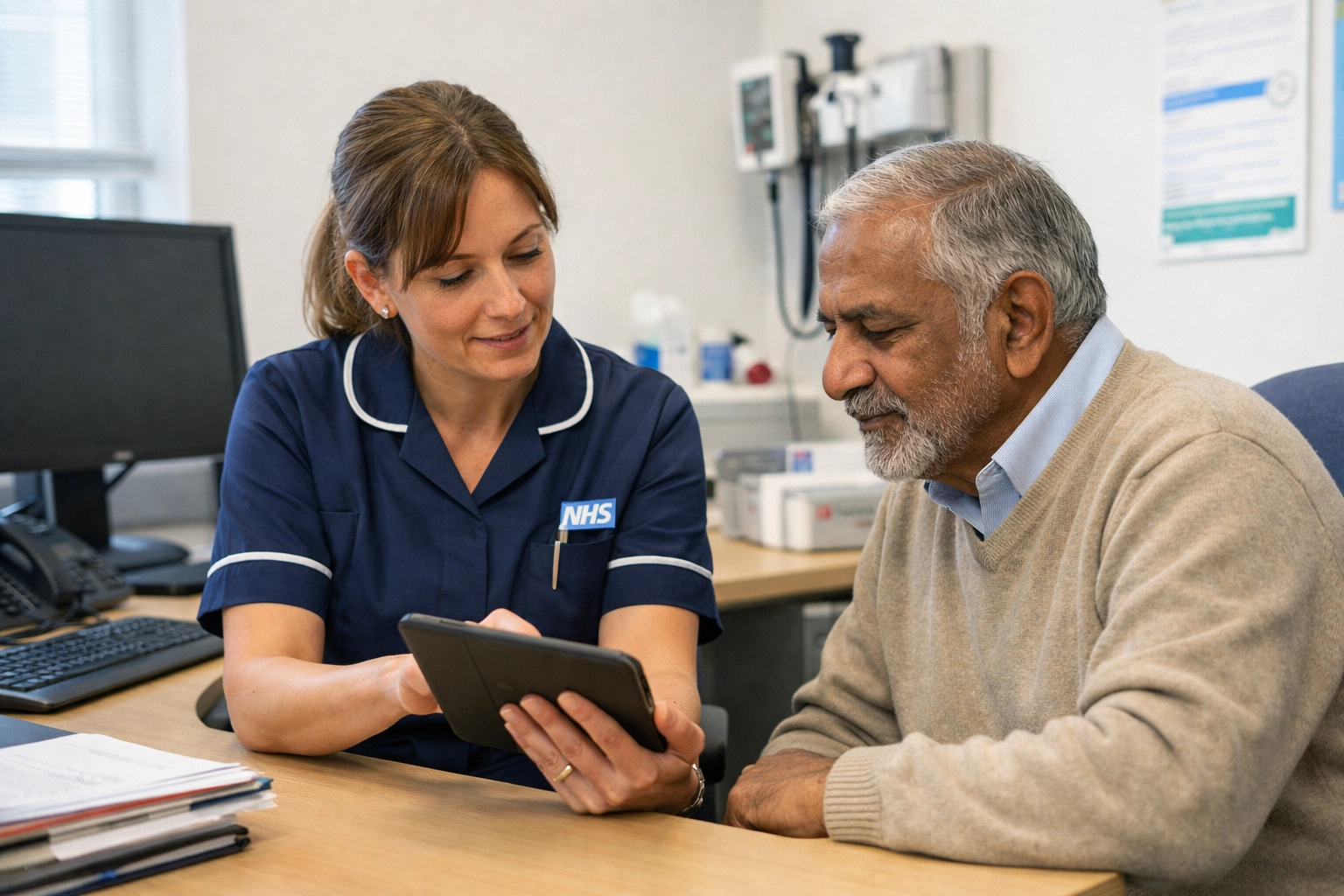
The term "community setting" covers a broad spectrum of clinical environments. It is not a one-size-fits-all solution. For a transition to be successful, the setting must be matched to the clinical needs of the patient and the complexity of the therapy.
- Specialist Community Hubs: These are often primary care centres or local clinics equipped with the necessary facilities for observation and emergency response.
- Provider Offices: Local GP surgeries or integrated care hubs where trained nursing staff can oversee administration.
- Home Administration: For those who have demonstrated stability on their treatment, home-based delivery offers the highest level of convenience, provided the right support structures are in place.
What patients and clinicians often describe is a need for consistency. Regardless of where the treatment is administered, the quality of care and the level of monitoring must remain constant. The shift is about decentralising the location, not the standards.
The Infrastructure for Safety
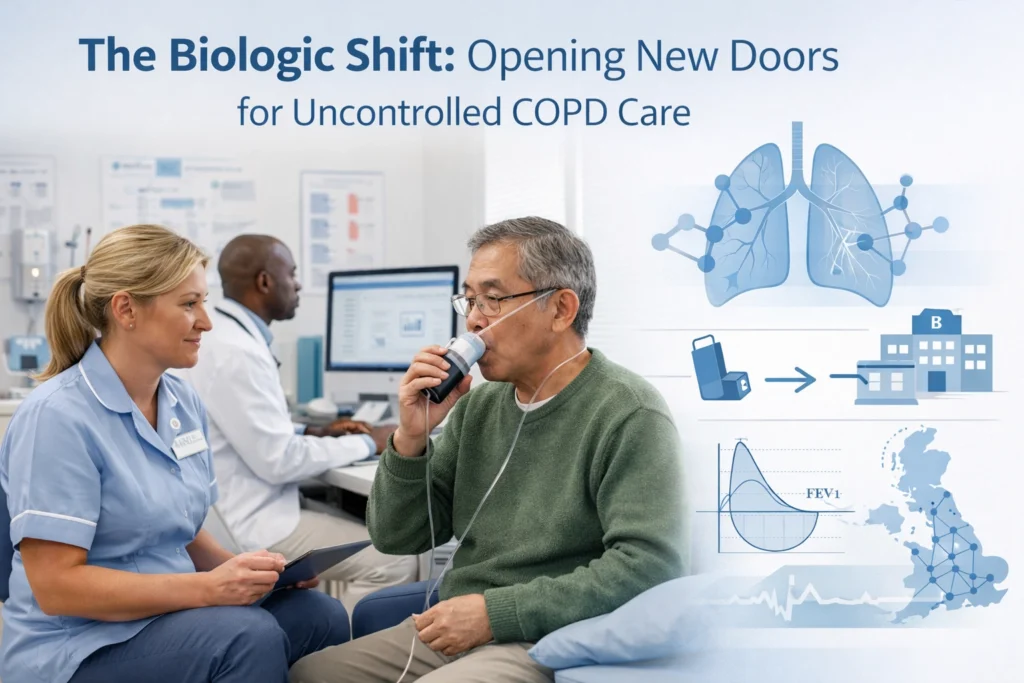
Safety is the primary concern when discussing the scaling of biologics outside the hospital. These therapies, while transformative, require careful oversight to manage potential adverse reactions, including hypersensitivity and infusion-related issues.
In practice, scaling these services requires a robust clinical framework. This includes ensuring that all personnel involved in administration are specifically trained in biologic therapy and have immediate access to emergency response equipment and medications. A formal risk assessment is an essential precursor to community delivery, particularly for home-based care.
The first dose, for example, typically remains under supervised clinical observation. This allows for the monitoring of any immediate reactions in a controlled environment before moving to a more flexible community model. What this looks like on the ground is a tiered approach to risk, where the intensity of supervision is calibrated based on the individual’s history and the specific requirements of the therapy.
The Role of Multidisciplinary Coordination
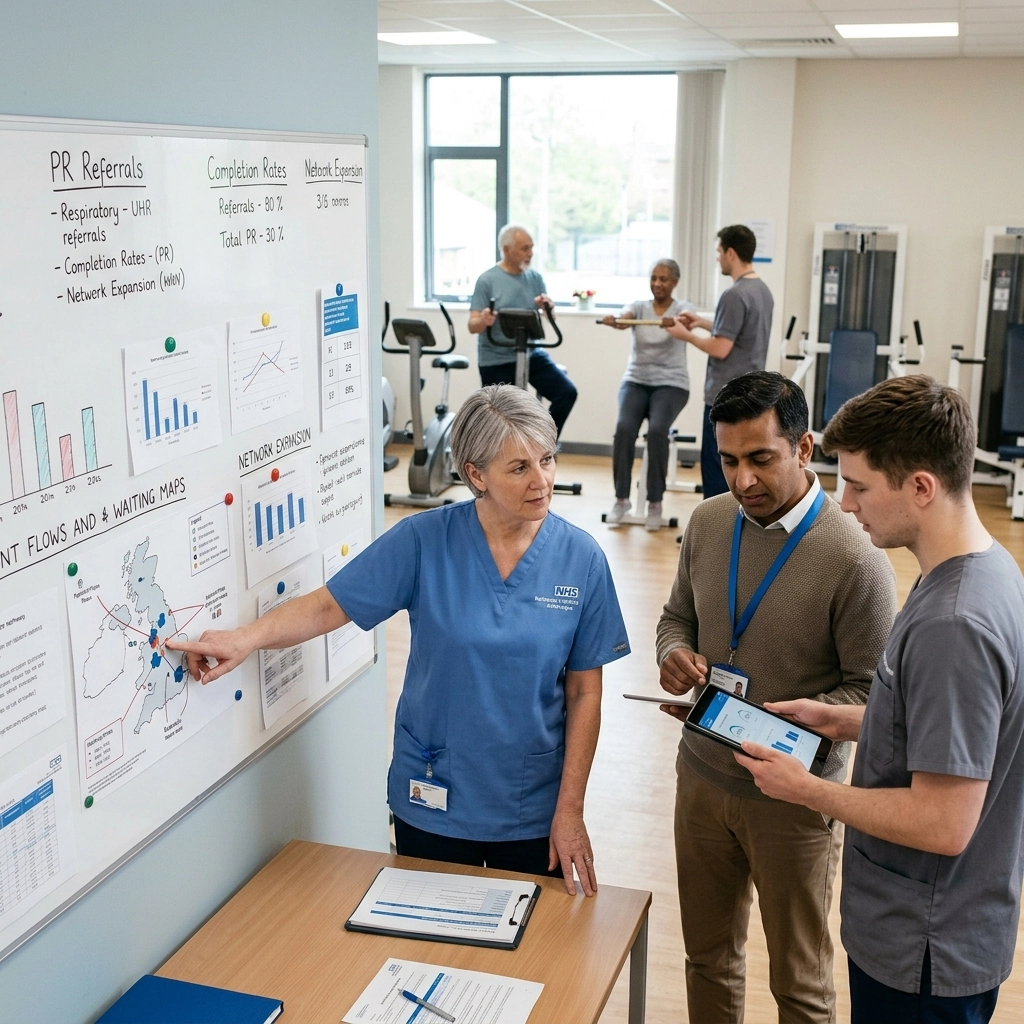
Scaling biologics in the community is not a task for any single part of the system. It requires a high degree of "joined-up" working between hospital specialists, community pharmacists, primary care teams, and commissioning groups.
Successful implementation often hinges on data and communication. For a community-based model to work, the specialist in secondary care must have visibility of how the patient is progressing in the community. Conversely, the community team needs clear, direct lines of communication back to the specialist should any concerns arise.
What this looks like on the ground is a shared care record and a clear protocol for escalation. It also requires a focus on supply chain management: ensuring that these high-value medications are handled, stored, and transported with the necessary precision to maintain their efficacy.
The Lived Experience: More Than Convenience
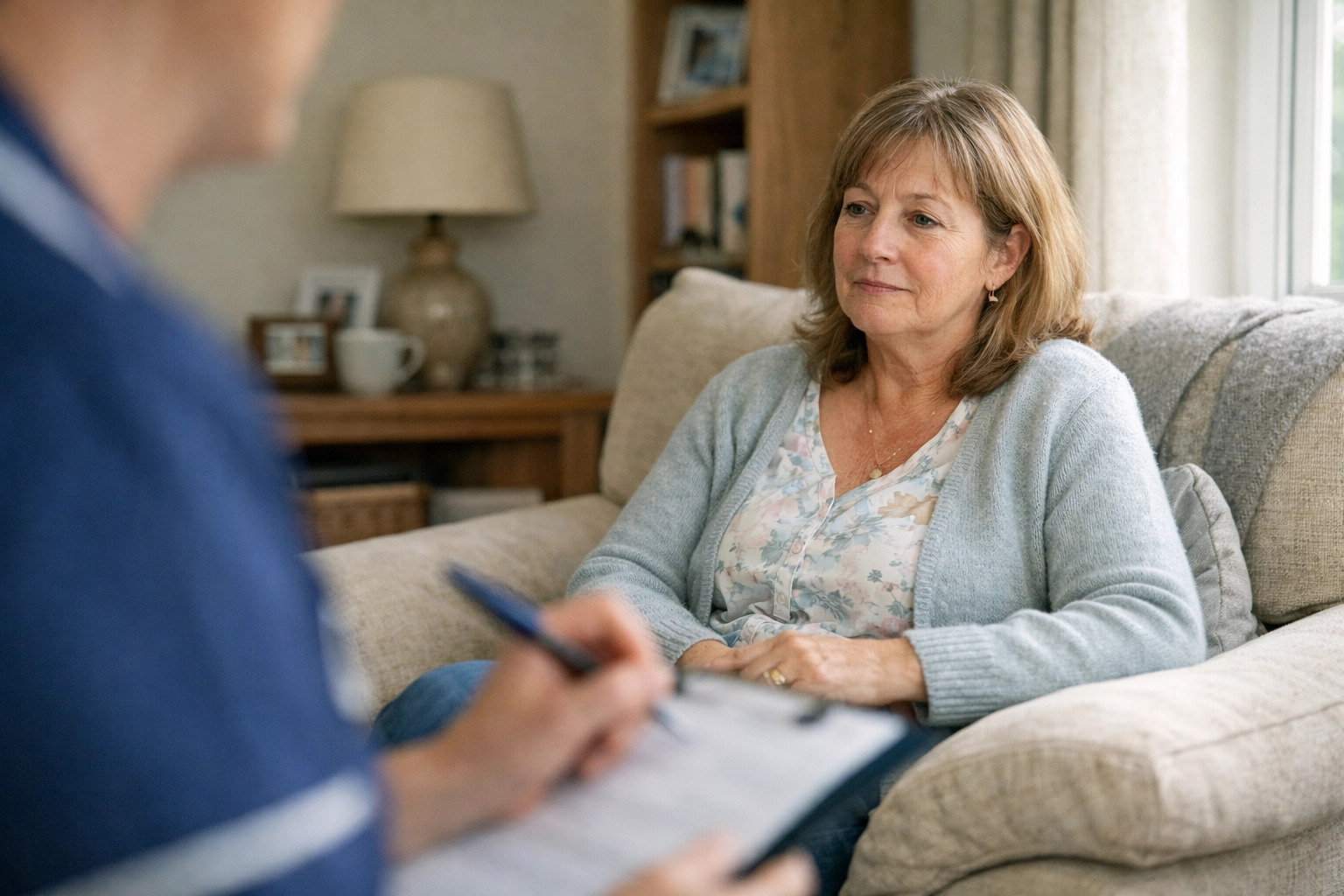
When we discuss "pathway innovation," it is easy to focus on the logistics and the data. However, for the person living with a severe respiratory condition, the shift to community care is deeply personal.
Managing a chronic condition is a full-time job. Frequent hospital visits can reinforce a "patient identity," where life revolves around clinical appointments. Moving care into the community or the home can help shift this balance. It allows for more personalised education and counselling, often in a less clinical and more relaxed environment. This can strengthen the relationship between the healthcare provider and the individual, fostering a sense of partnership rather than just a transaction of care.
In practice, this often leads to better engagement with the treatment plan. When care fits into a person’s life, rather than requiring the person to fit their life around the care, the outcomes are generally more sustainable.
Challenges to Scaling
Despite the clear benefits, the path to community-based biologics is not without obstacles. Workforce capacity is a significant factor. Community nursing teams are already under considerable pressure, and adding the administration of complex biologics requires both time and specific training.
Furthermore, there is the question of resource allocation. The funding models that support hospital-based care do not always translate easily to a community setting. Integrated Care Systems (ICS) are currently grappling with these financial and operational hurdles, trying to find ways to move the funding along with the patient.
What this looks like on the ground is a series of pilot programmes and gradual rollouts. We are in a phase of learning where different regions are testing various models to see what works best for their specific populations.
Looking Ahead
The move toward community-based administration of biologics is a clear indicator of where respiratory care is heading. It is a move toward a more flexible, patient-centric, and integrated system. However, scaling these services safely and effectively requires more than just a desire for change; it requires a commitment to building the necessary infrastructure and fostering collaboration across the entire healthcare landscape.
As we continue to explore these shifts, the insight of those working on the front line: both clinicians and those with lived experience: remains invaluable. Understanding the practical realities of these transitions is the only way to ensure they result in a system that is better for everyone.
Join the Conversation
At The Respiratory Network, we believe that the best solutions come from collaborative thinking. We are currently bringing together experts from across the NHS, Life Sciences, and patient advocacy groups to discuss the future of respiratory pathways.
If you are interested in shaping how these services are designed and delivered, we invite you to join our expert panels and participate in our upcoming events. Your insight can help bridge the gap between policy and practice.
- Become a Member: Join our community
- Attend our Round Table: Register for our 29th April event at The King’s Fund
- Follow our Updates: Stay connected via our forums for the latest insights into pathway innovation.
Medical Disclaimer: The information provided in this blog is for informational purposes only and does not constitute medical advice. Always seek professional clinical guidance for medical conditions.
Responses