
Community Diagnostics: Bridging the Gap in NHS Respiratory Leadership

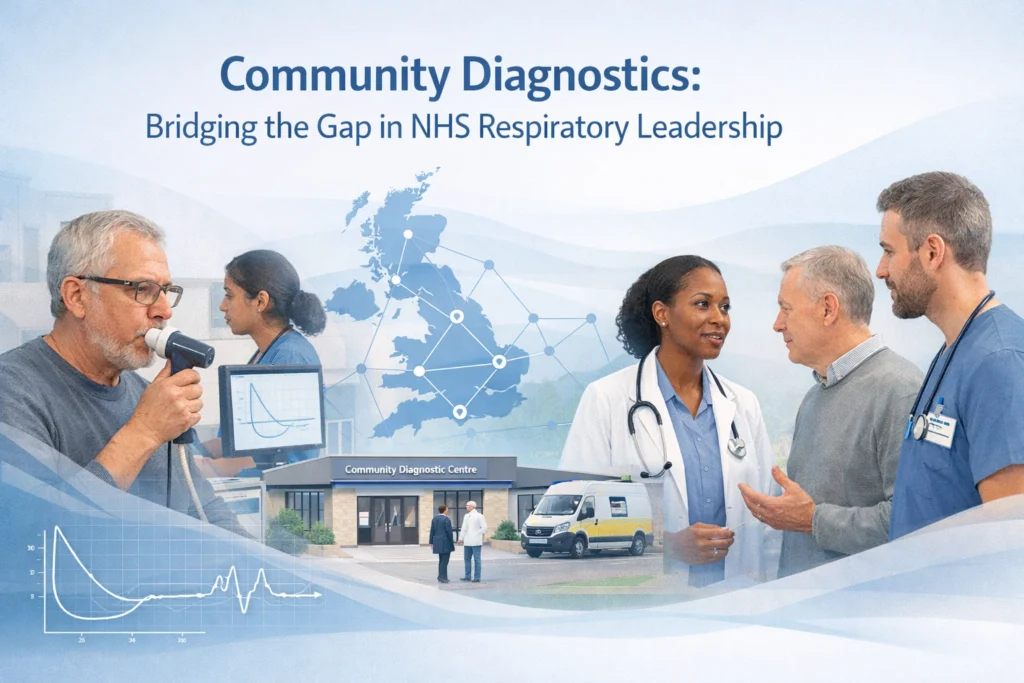
The landscape of respiratory care in the UK is undergoing its most significant structural shift in a generation. For years, the hospital has been the primary destination for definitive testing, a model that often results in long waiting lists, delayed interventions, and a reactive approach to lung health. However, as the NHS pivots toward a "neighbourhood-coded" delivery model under the latest 10-Year Health Plan, the focus has moved squarely into the community.
At the heart of this transition are Community Diagnostic Centres (CDCs). These hubs represent more than just additional square footage for equipment; they are the physical manifestation of a new era in NHS respiratory leadership. For clinical leads, patient advocates, and Life Sciences directors, understanding how these centres bridge the gap between acute pressure and community stability is essential for improving respiratory health UK-wide.
The Strategic Driver: Why Community Diagnostics Matter Now
The diagnostic gap in respiratory medicine has long been a bottleneck for the entire system. Before the pandemic, capacity for essential lung function testing in England lagged significantly behind many European counterparts. This lack of throughput contributed to late diagnoses of chronic conditions like COPD and asthma, leading to avoidable emergency admissions.
In practice, the rollout of over 170 approved CDC sites across England is designed to decompress the acute sector. By decoupling diagnostics from the emergency-driven environment of a hospital, the system can create a predictable, scheduled flow of patients. For those in NHS respiratory leadership, the challenge is no longer just about managing a department; it is about managing a pathway that spans multiple locations and organizations.
What This Looks Like on the Ground
What patients and clinicians often describe in the traditional model is a fragmented journey. A patient might visit their GP with breathlessness, wait weeks for a hospital referral, and then travel several miles to a secondary care site for a single test.
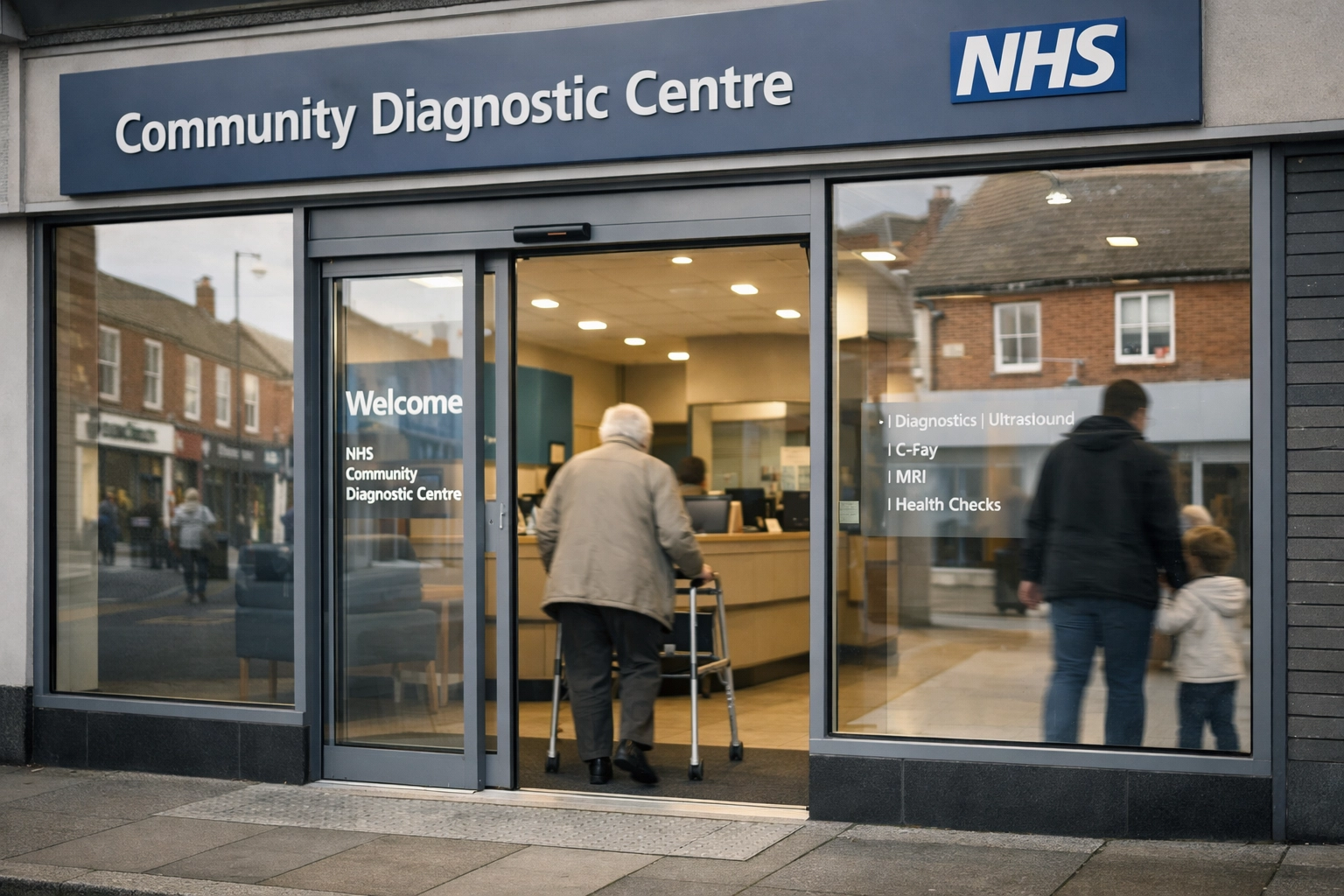
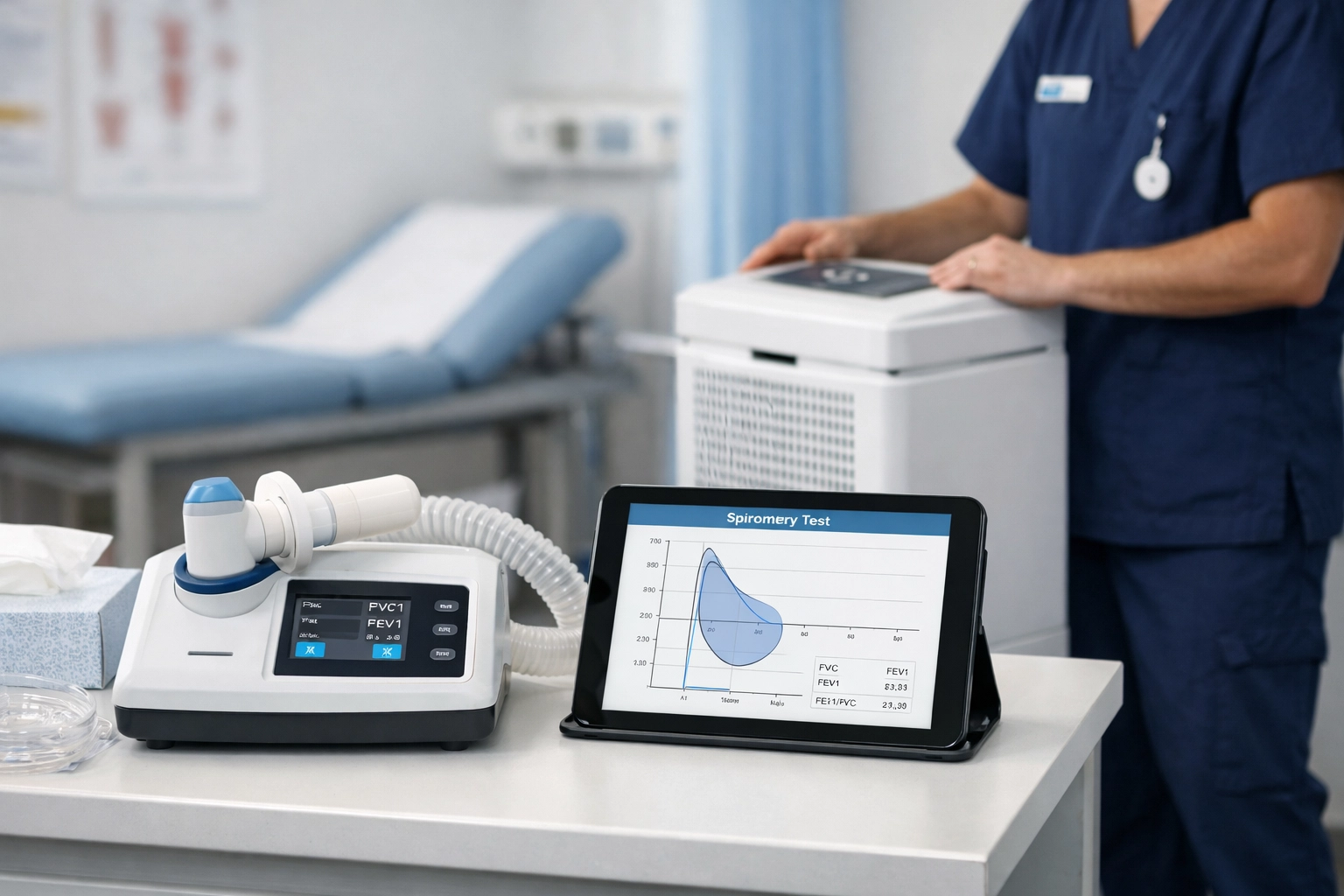
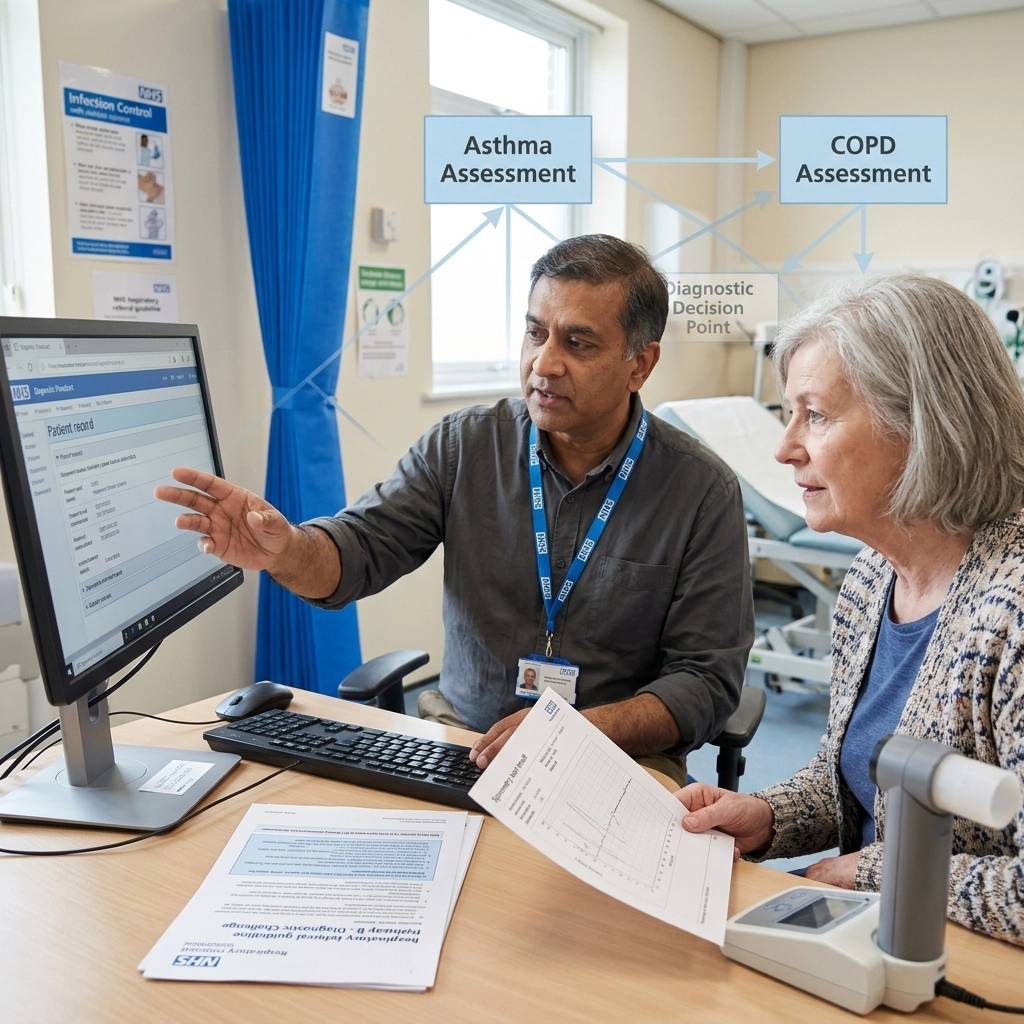
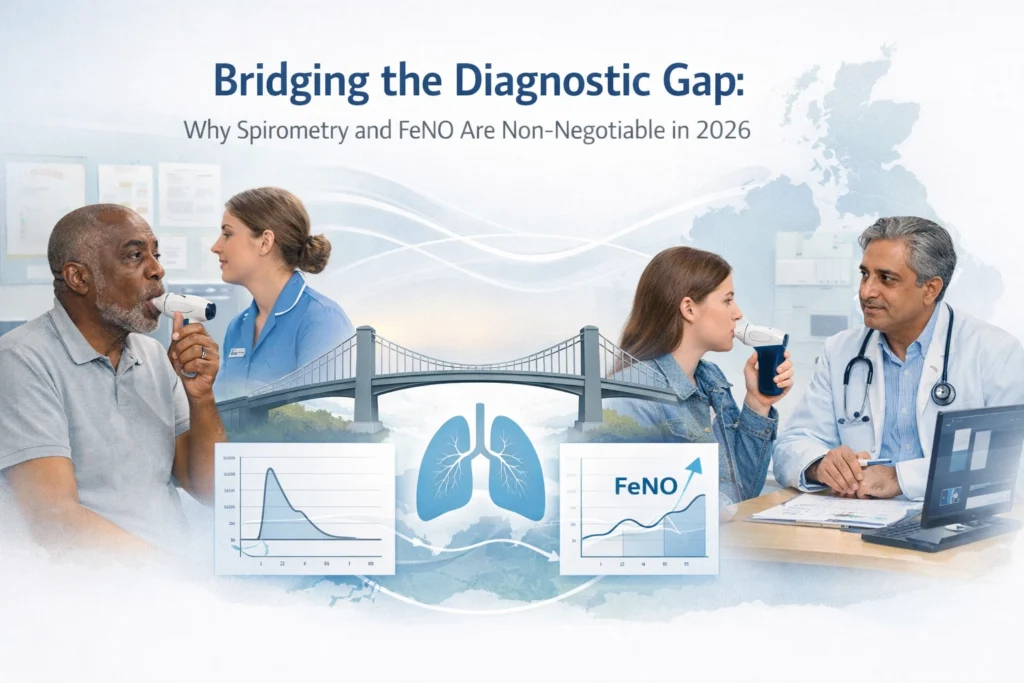
What this looks like on the ground today, in areas where community diagnostics are integrated, is a "one-stop shop" approach. A patient can access spirometry, fractional exhaled nitric oxide (FeNO) testing, and even complex lung function tests in a local health hub or a repurposed retail space that is easier to reach and less intimidating than a large hospital campus.
However, moving these services isn't as simple as moving a piece of equipment. Respiratory diagnostics carry specific clinical requirements. For example, during spirometry and lung function testing, the risk of aerosol transmission is a significant factor. In practice, this means community hubs must be fitted with negative pressure ventilation, HEPA filters, and ultraviolet air scrubbers to ensure safety for both staff and patients. Leadership in this space requires a deep understanding of these technical estates requirements to ensure community services are not just accessible, but clinically robust.
Bridging the Leadership Gap
The shift to community diagnostics requires a different style of leadership. It moves away from the siloed management of "my clinic" toward a broader oversight of the Integrated Care System (ICS).
NHS respiratory leadership now involves:
- Workforce Integration: Developing sustainable training pathways so that multidisciplinary teams, including nurses, physiotherapists, and healthcare assistants, can deliver quality-assured testing in the community.
- Data Connectivity: Ensuring that a test result generated in a community hub is instantly accessible to the GP in primary care and the consultant in secondary care.
- Equitable Access: Using data to place CDCs in areas with the highest prevalence of respiratory disease and the greatest levels of social deprivation, directly tackling health inequalities.
For Life Sciences directors, this shift offers a new way to engage. The focus is moving toward how technology and pathway innovation can support these hubs. Whether through digital platforms that streamline reporting or diagnostic tools that provide faster results, the opportunity lies in helping the NHS build capacity, not just providing a product.
The Role of Innovation and AI
As we look toward 2026 and beyond, the integration of digital and AI solutions is becoming a cornerstone of the diagnostic pathway. We are seeing the emergence of tools capable of providing highly accurate diagnostic insights for conditions like COPD in a fraction of the time traditional methods took.
These innovations are not intended to replace clinical judgment but to augment it. By providing faster, more accurate data at the point of care in the community, clinicians can make informed decisions sooner. This reduces the "diagnostic odyssey" that many patients with chronic breathlessness experience, where they move through the system for months without a clear management plan.
Lived Experience: The Human Impact of Local Access
For the patient, the benefit of community diagnostics is often measured in time and stress. What patients often describe is the anxiety of navigating a large, busy hospital when they are already struggling with breathlessness. Being able to attend a local hub, perhaps a five-minute bus ride away, changes the emotional weight of the appointment.
Furthermore, community diagnostics allow for a more holistic approach to respiratory health UK. When testing is co-located with other services, such as tobacco treatment or pulmonary rehabilitation, the diagnostic appointment becomes a gateway to comprehensive care. It is a moment where the system can move from simply identifying a problem to actively managing a person's health in their own environment.
Challenges to Overcome
Despite the progress, several hurdles remain for those leading this transformation. Workforce remains the most significant challenge. Quality-assured spirometry, for instance, requires specific certification and ongoing competency assessment. NHS leaders must ensure that as we scale physical diagnostic sites, we are simultaneously scaling the skilled workforce required to run them.
There is also the risk of creating new fragments in the system. If the community diagnostic hub operates in isolation from the rest of the respiratory pathway, it merely moves the bottleneck rather than clearing it. True leadership in this space involves ensuring that the CDC is a seamless part of the journey, where every test result triggers a clear, evidence-based next step in the patient's care.
A Collaborative Future
The success of community diagnostics depends on a tri-partite collaboration between the NHS, patients, and the Life Sciences sector.
- For the NHS: It is about brave leadership that is willing to move resources out of the hospital and into the community.
- For Patients: It is about being active partners in the design of these services, ensuring they are truly accessible and meet the needs of the people using them.
- For Life Sciences: It is about providing the diagnostic tools and data insights that make community-led care a reality.
By bridging the gap between where care is delivered and where patients live, we aren't just improving diagnostics; we are redefining what it means to lead in respiratory health.
Medical Disclaimer:
Please note: The information provided in this blog post is for educational and informational purposes only and does not constitute medical advice. The Respiratory Network does not provide medical diagnoses or recommendations for treatment. Always seek the advice of a qualified healthcare provider regarding a medical condition or treatment.
Join the Conversation
The transition to community-based care is a journey we are all navigating together. Whether you are a clinical lead implementing new pathways, a patient advocate ensuring the lived experience is heard, or a Life Sciences professional driving innovation, your voice is essential.
We invite you to join The Respiratory Network. By becoming a member, you gain access to a community of peers dedicated to solving these challenges and sharing best practices in respiratory care.
Next Steps:
- Become a Member: Connect with leaders across the UK respiratory landscape here.
- Join the Discussion: Visit our Public Forum to share your thoughts on community diagnostics.
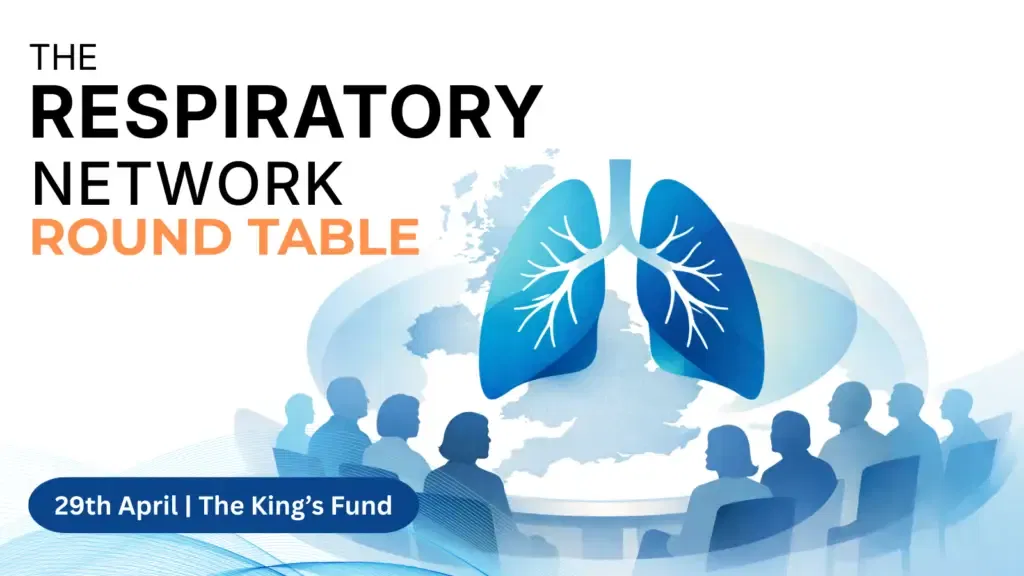
- Attend our Round Table: Secure your spot for our upcoming event at The King’s Fund on the 29th of April by visiting our events page.
Together, we can ensure that the shift to community diagnostics leads to a more stable, equitable, and effective future for respiratory care in the UK.
Responses