

5 Steps to Transform Your Local Respiratory Pathway (Easy Guide for NHS Leaders)

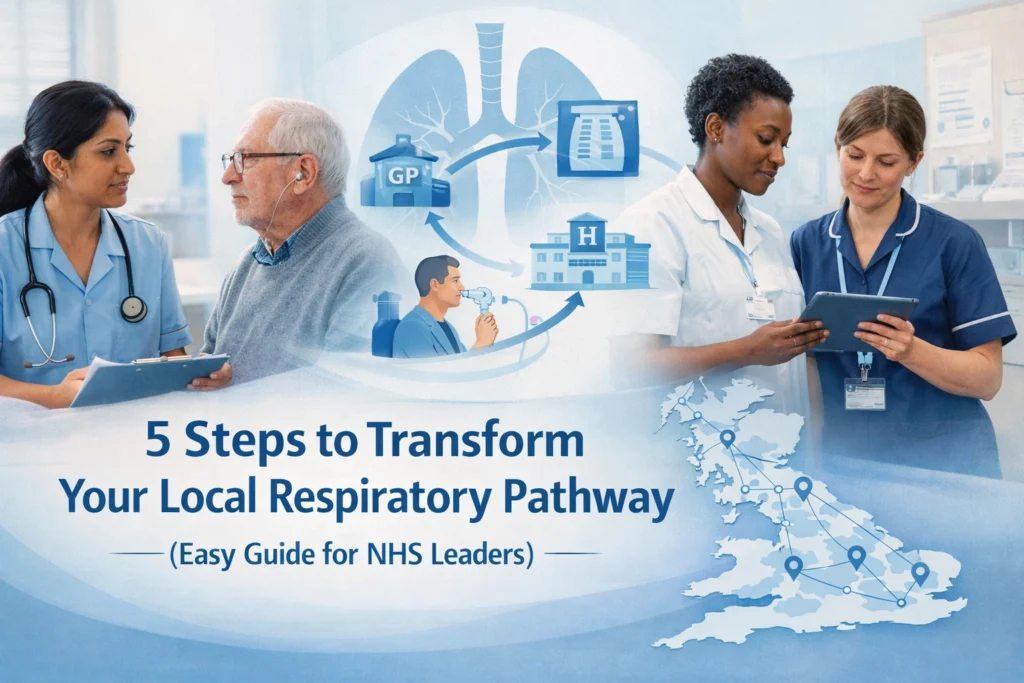
In the current landscape of the NHS, "transformation" is a word that often carries the weight of high expectations and limited resources. For those leading respiratory services within Integrated Care Systems (ICS), the challenge isn't just about meeting targets; it is about redesigning a system that has historically been fragmented. Respiratory disease remains one of the leading causes of death and hospital admissions in the UK, yet the pathway from initial symptom to specialist management is often cluttered with diagnostic delays and missed opportunities for early intervention.
What we are seeing on the ground is a system under immense pressure, but also one that is ripe for a more cohesive approach. Transforming a local respiratory pathway doesn't require a total dismantling of existing services. Instead, it involves five strategic shifts that align clinical excellence with the reality of patient lives.
1. Solving the Diagnostic Backlog: The Move to Objective Testing
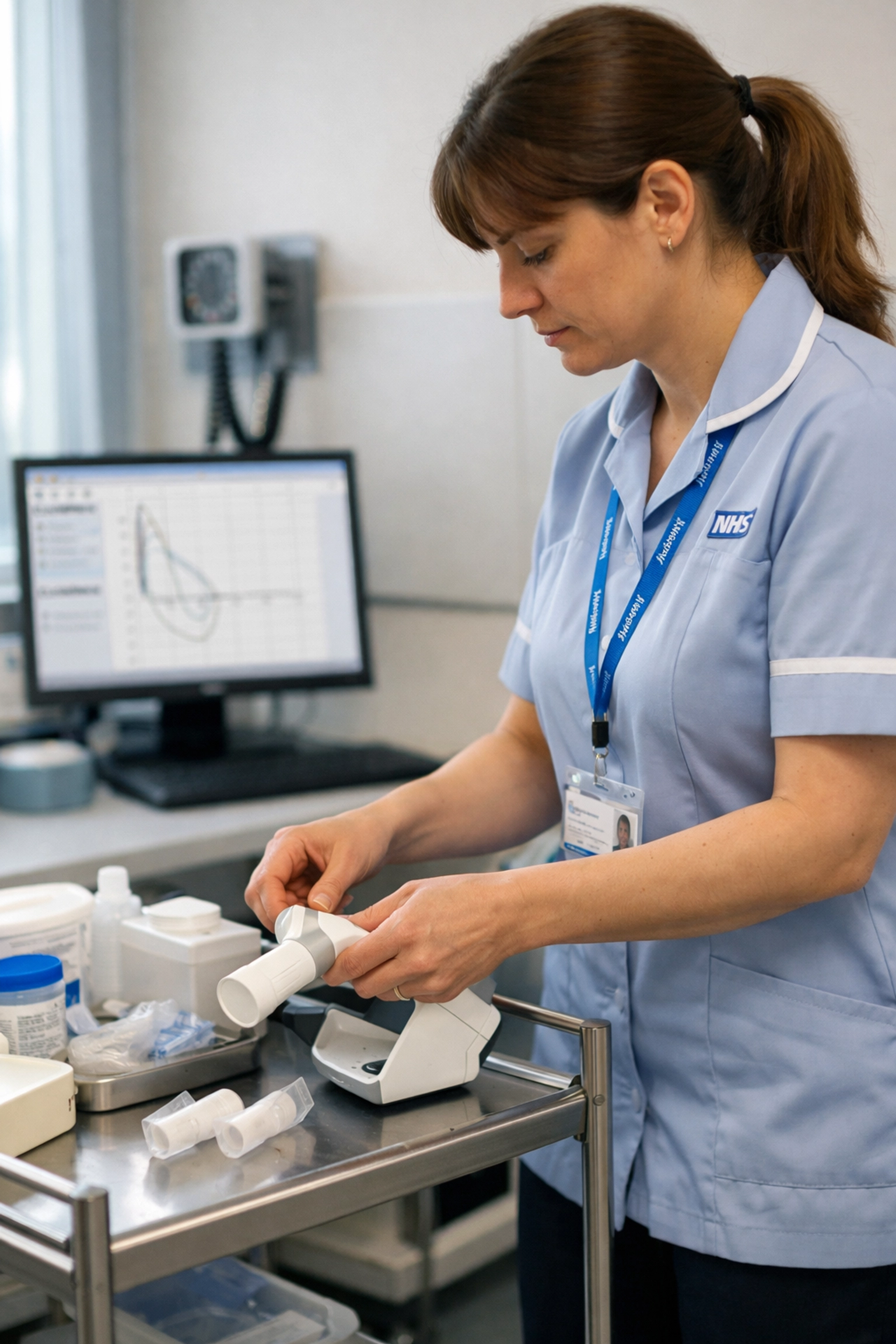
The first and perhaps most critical hurdle in any respiratory pathway is the diagnostic bottleneck. For too long, many patients have been treated based on clinical suspicion alone, leading to both under-diagnosis and over-diagnosis of conditions like Asthma and COPD.
The recent push for objective testing: specifically quality-assured spirometry and Fractional Exhaled Nitric Oxide (FeNO) testing: is not just a clinical preference; it is a necessity for pathway efficiency. In practice, this means moving away from the "wait and see" approach and ensuring that primary care has the tools and the training to deliver accurate diagnostics at the point of first contact.
We are seeing success where ICS leaders establish community-based diagnostic hubs. These hubs allow GPs to refer patients for a suite of tests in a single visit, reducing the back-and-forth that often leads to patients dropping out of the pathway. By clearing the backlog of those waiting for a formal diagnosis, we can ensure that secondary care resource is reserved for the most complex cases.
2. Incorporating Environmental Factors into Clinical Discussions
Respiratory health does not exist in a vacuum. What happens outside the clinic: in the home and on the street: is often more influential than the medication prescribed. As NHS leaders, integrating environmental factors like air quality, housing conditions, and fuel poverty into the clinical discussion is essential for a holistic pathway.
What this looks like on the ground is a move toward "Social Prescribing plus." It is no longer enough to just treat the inflammation; we must address the trigger. If a patient is returning to a damp, poorly ventilated home or lives in a high-pollution corridor, their clinical outcomes will remain suboptimal regardless of the treatment plan.
Liaising with local authorities to align health data with housing data allows for targeted interventions. When clinicians understand the environmental context of their patients, the conversation shifts from simple compliance to shared problem-solving. You can find more on how these discussions are evolving in our community forums.
3. Integrating Advanced Therapies for Uncontrolled Conditions
For a significant cohort of patients, standard inhaler therapies are not enough to manage their symptoms or prevent life-threatening exacerbations. The integration of the latest biologic therapies into local pathways represents a major shift in how we manage uncontrolled respiratory disease.
These targeted treatments: often monoclonal antibodies: work by addressing the underlying biological drivers of inflammation. However, the pathway to accessing these therapies is often viewed as opaque or overly restrictive. Transformation in this area involves creating clear criteria for referral from primary to secondary care, ensuring that those who are "uncontrolled" are identified early.
It is vital to note that these therapies are not a replacement for basic care but an escalation for those who need it most. By streamlining the identification process, we reduce the burden on emergency departments caused by frequent "revolving door" admissions. For more detailed insights on the criteria used in various regions, explore our member discussions.
4. Community-Led Care and the Role of Virtual Wards
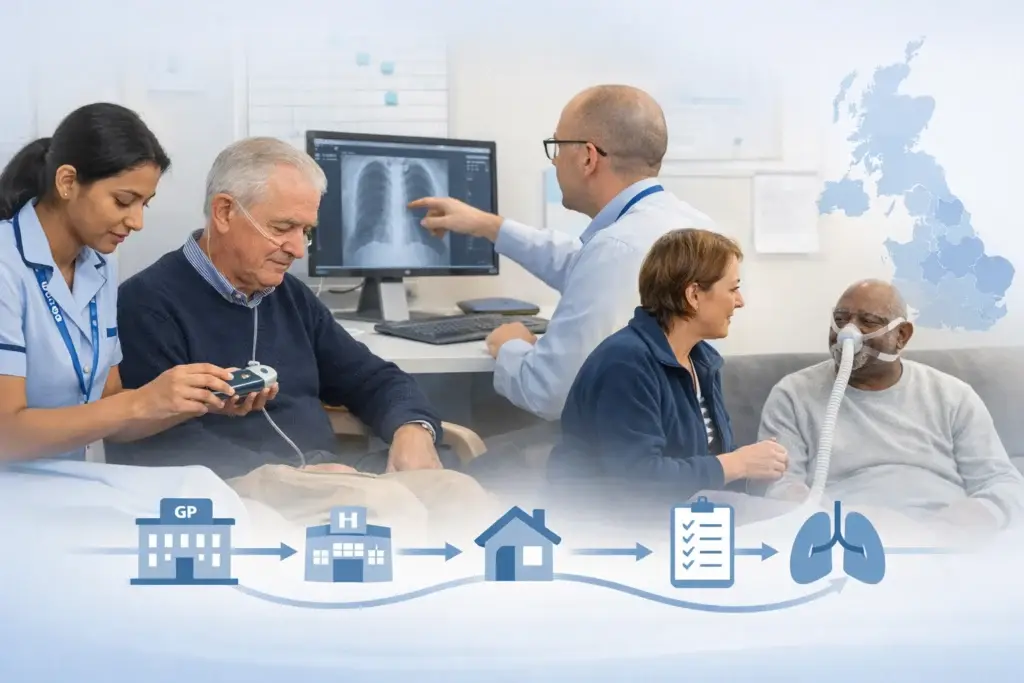
The traditional model of hospital-centric respiratory care is shifting toward the community. The rise of virtual wards has demonstrated that many patients, particularly those recovering from acute exacerbations of COPD, can be managed safely and effectively in their own homes using remote monitoring technology.
This approach requires a workforce that is comfortable working across traditional boundaries. Community respiratory teams, supported by digital tools, can provide the "wrap-around" care that prevents readmission. In practice, this means that a patient’s vital signs are monitored remotely by a specialist team who can intervene at the first sign of deterioration.
However, technology is only the enabler. The success of community-led care depends on the strength of the relationship between the patient and their local clinical team. It’s about creating a safety net that feels visible to the patient but doesn’t require them to occupy a hospital bed.
5. Meaningful Co-production: Lived Experience as the Blueprint
The final, and perhaps most overlooked, step in transforming a pathway is co-production. We often talk about patients, but we rarely design with them. People with lived experience of respiratory conditions offer a perspective that data and clinical guidelines cannot: they understand where the pathway breaks down in real life.
Meaningful co-production isn't about inviting a patient to a single meeting to "sign off" on a pre-determined plan. It involves including them in the design phase of a service. For example, a patient might point out that a certain clinic location is inaccessible by public transport, or that the language used in a self-management plan is confusing.
When we treat patients as partners in the system rather than passive recipients of care, the pathway becomes more resilient. It moves from being a clinical process to a human-centred service.
Moving Forward Together
Transforming a respiratory pathway is not a destination; it is a process of continuous refinement. It requires a willingness to look at the system through multiple lenses: the clinician’s, the leader’s, and the patient’s. By focusing on accurate diagnostics, environmental context, advanced treatment access, community-based care, and genuine co-production, NHS leaders can create a service that is both sustainable and effective.
The Respiratory Network exists to facilitate these difficult conversations and to share the insights that make transformation possible. We invite you to be part of this dialogue.
Join the Conversation
Are you an NHS leader, clinician, or patient advocate looking to drive change in your local area? Join our Members' Community to access exclusive resources, participate in our forums, and connect with peers who are facing the same challenges.
Visit our forum to share your experiences or consider joining us for our upcoming Round Table events to help shape the future of respiratory care in the UK.
Medical Disclaimer:
The information provided in this blog is for informational purposes only and does not constitute medical advice. Always seek professional clinical guidance for medical conditions.
Responses