

Sneezing in February? Why the Shifting Pollen Season is a Respiratory Priority

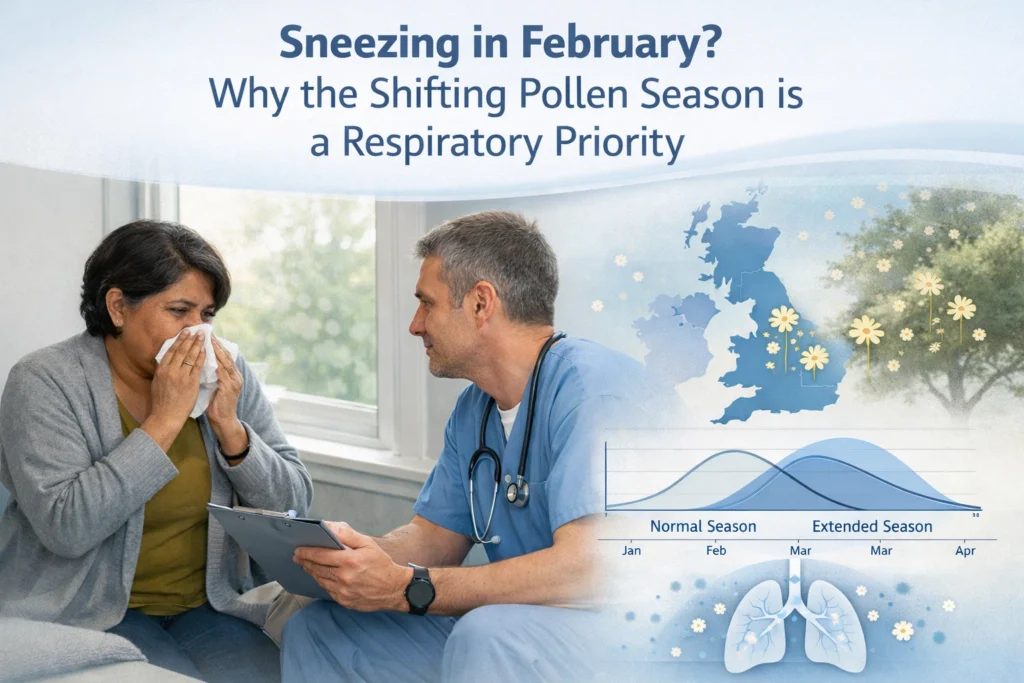
For many across the UK, the traditional markers of spring have shifted. While we once associated hay fever with the cutting of grass in June or the height of mid-summer, the reality on the ground has changed significantly. In early 2026, we have seen a surge in reports of "February sneezing": a phenomenon that is no longer an anomaly but a growing trend in our changing climate.
Recent alerts from the UK Health Security Agency (UKHSA) and the NHS have highlighted an early and extended pollen season. This is not merely a matter of seasonal inconvenience; it represents a significant challenge for NHS respiratory services and the wider respiratory pathway. With over 10 million people in the UK living with allergies, the overlap between allergic rhinitis and chronic respiratory conditions like asthma creates a high-pressure environment for both patients and clinicians.
The Science Behind the Shift
The 2026 spring allergy season has arrived with unexpected intensity. Research indicates that warmer ground temperatures following winter periods are allowing trees: specifically cedar, elm, oak, and maple: to produce and release pollen much earlier than in previous decades. Historically, different species would pollinate in distinct waves, providing a "breathing space" between peaks. Now, we are seeing simultaneous pollination, creating a concentrated "pollen bomb" effect.
This shift is fundamentally linked to climate change. Data suggests that many regions have gained approximately three additional weeks of growing season since 1970. A longer growing season translates directly into a longer pollen season. For the respiratory community, this means the window for proactive management is shrinking, while the period of risk for exacerbations is expanding.

Why This is a Respiratory Priority
When we discuss allergies in a clinical or strategic context, we must look beyond the immediate symptoms of itchy eyes or a runny nose. In practice, the connection between the upper and lower airways is profound. For the millions of people in the UK living with asthma, an early pollen season is a direct trigger for increased airway inflammation.
What patients often describe as "just hay fever" can quickly escalate into a serious respiratory event. The statistics are clear: spikes in pollen counts correlate directly with a rise in NHS emergency admissions for asthma. When the "pollen season" starts in February and lasts into late autumn, the cumulative strain on the patient's lungs: and the healthcare system: is immense.
From a strategic perspective, this requires a shift in how we view the respiratory pathway. If the environmental triggers are no longer confined to a predictable three-month window, our service delivery models must adapt to be year-round rather than seasonal.
Impact on NHS Respiratory Services
The extension of the pollen season places a unique burden on NHS respiratory services. Primary care settings often see a surge in consultations during these periods, which can divert resources away from routine chronic disease management.
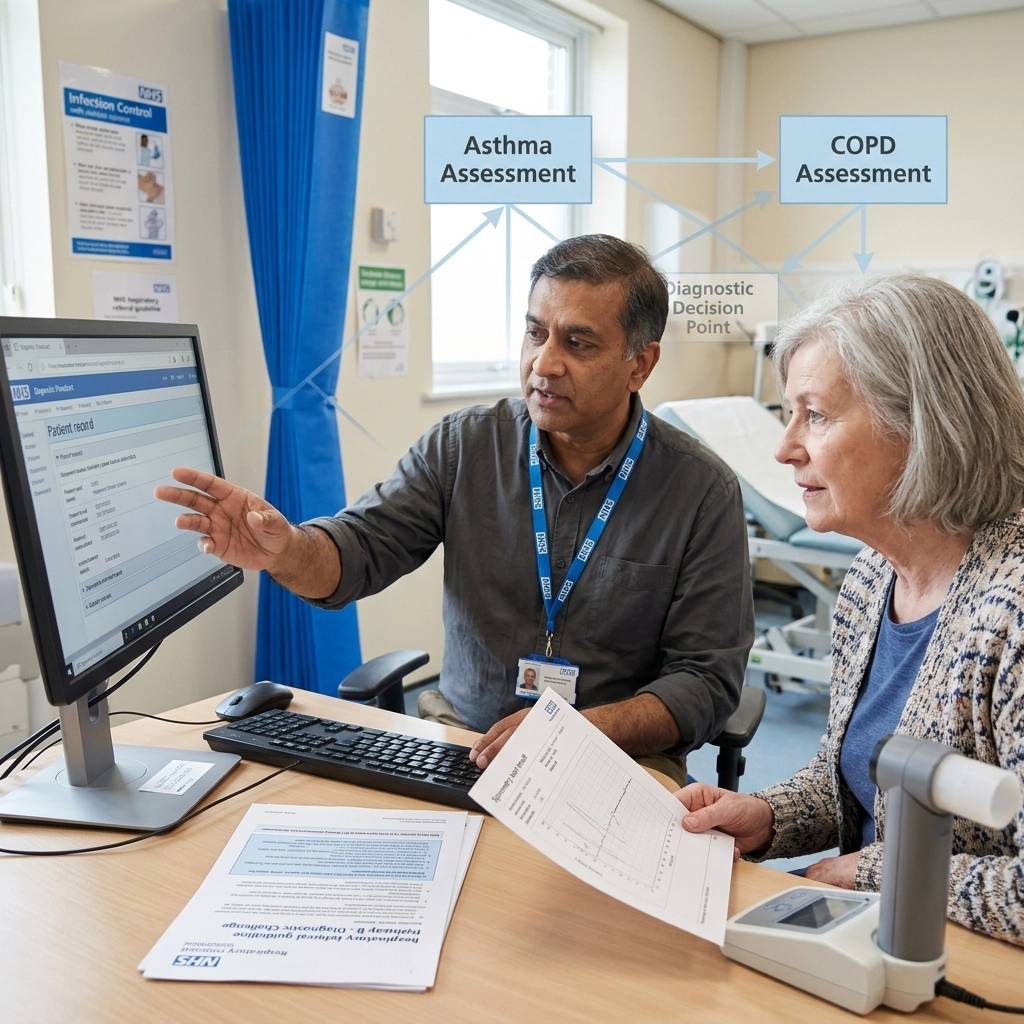
Furthermore, the complexity of diagnosing respiratory issues is heightened when seasonal allergies mask or mimic other conditions. What looks like a persistent cough due to a late-winter virus may, in fact, be the early onset of allergic asthma triggered by tree pollen. This diagnostic overlap requires a high level of clinical suspicion and robust access to tools like spirometry to ensure patients are on the correct management plan.
What this looks like on the ground is a workforce that is already under pressure having to manage a "peak" that starts earlier and lasts longer. It underscores the need for integrated working between allergy specialists and respiratory teams to ensure that the patient journey is seamless and that preventative measures are prioritised.

The Role of Data and Insights
At The Respiratory Network, we often discuss the importance of Data & Insights in shaping future care. Understanding the shifting patterns of pollen release is a prime example of where environmental data must intersect with clinical planning.
By monitoring UKHSA alerts and local pollen counts, Integrated Care Systems (ICS) can better predict periods of high demand. This foresight allows for better resource allocation, ensuring that emergency departments and primary care hubs are prepared for the inevitable increase in respiratory presentations.
It also opens the door for better patient education. If we can identify that the "pollen season" is starting in February, we can encourage early engagement with healthcare providers to review management plans before the symptoms become unmanageable.
The Patient Voice and Lived Experience
It is essential to ground these clinical and strategic discussions in the reality of lived experience. For a person with severe allergic asthma, the news of an "early pollen bomb" is a source of genuine anxiety. It means more days of restricted activity, more reliance on relief measures, and a constant vigilance regarding the weather and air quality.
The Respiratory Network believes that involving those with lived experience in the design of respiratory pathways is the only way to ensure services are fit for purpose. Patients are often the first to notice these shifting trends: they are the ones sneezing in February, after all. Their observations should be a vital part of the feedback loop that informs how the NHS responds to environmental changes.

Moving Toward a Proactive Pathway
To address the challenges of a shifting pollen season, the respiratory pathway must move from a reactive model to a proactive one. This involves several key pillars:
- Earlier Identification: Recognising that respiratory symptoms in late winter may be allergy-related.
- Integrated Care: Ensuring that allergy management is a core component of asthma and COPD care plans.
- Environmental Awareness: Utilising real-time data on air quality and pollen to inform clinical decisions and patient advice.
- Workforce Education: Training staff to recognise the "asthma-allergy" connection and the impact of climate-driven shifts in triggers.
By acknowledging that the environment is changing, we can better prepare the system to support those most at risk. The goal is to ensure that a sneeze in February doesn't lead to a hospital admission in March.
Collaborative Solutions
The challenges posed by the intersection of climate change and respiratory health are too large for any one organisation to tackle alone. It requires a collaborative effort between the NHS, Life Sciences, and patient advocacy groups.
Innovation in how we monitor patients, how we use data to predict surges, and how we deliver care in the community will be central to our success. The Respiratory Network provides the platform for these diverse stakeholders to come together and shape a more resilient future for respiratory care in the UK.
Join the Conversation
As we navigate these changes in our environment and our healthcare system, staying connected is more important than ever. We invite you to become a part of our growing community of professionals and advocates dedicated to improving respiratory outcomes.
- Become a Member: Gain access to exclusive resources and join a network of peers committed to excellence in care. Register here.
- Join Our Forums: Share your insights on how early pollen seasons are affecting your local services. Visit our forums.
- Attend Our Events: Join us for our upcoming Round Table event where we will discuss the future of respiratory care and the impact of environmental factors. Find out more.
- Follow Us: Stay up to date with the latest news and insights by following us on our news feed.
Together, we can ensure that our respiratory services are prepared for the challenges of today and the shifts of tomorrow.
Medical Disclaimer:
The Respiratory Network does not provide medical advice. The content of this blog post is for informational and networking purposes only. It is not intended to be a substitute for professional medical advice, diagnosis, or treatment. Always seek the advice of your physician or other qualified health provider with any questions you may have regarding a medical condition.
Category: Clinical Updates
Tags: Air Quality, Asthma, NHS Respiratory Services, Respiratory Pathway, NHS Leadership, Healthcare Networking UK, Lived Experience, Diagnostics.


Responses