

The Technique Gap: Why Inhaler Training is a Vital Clinical Intervention in Respiratory Care UK

Please note: The information in this blog is for informational and educational purposes only and does not constitute medical advice. Always seek the advice of a qualified healthcare provider regarding a medical condition.
If we told a surgeon that their scalpel only worked 10% of the time because of the way they held it, there would be a national inquiry. If a pharmacist dispensed a life-saving medication but the bottle was impossible to open, we’d call it a systemic failure.
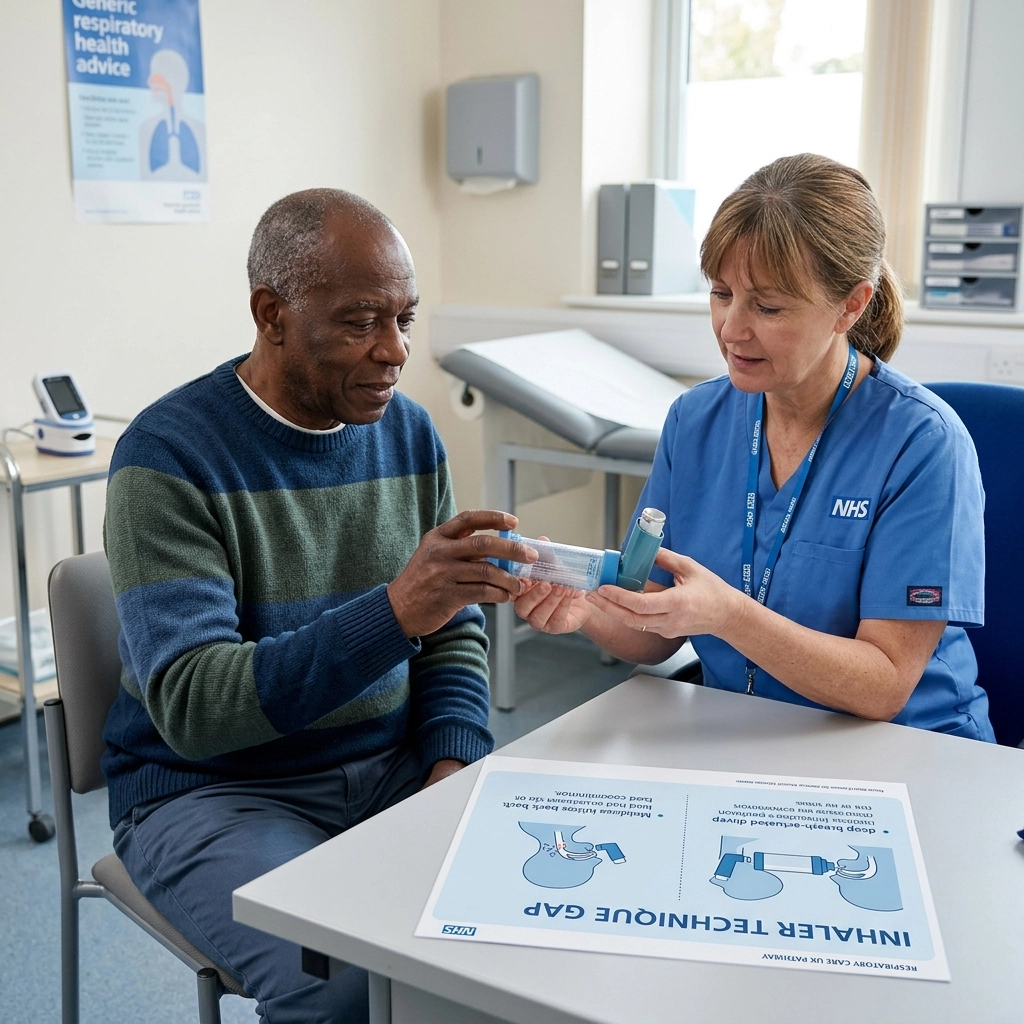
Yet, in respiratory care UK, we live with a staggering reality: up to 90% of patients are not using their inhalers correctly.
In practice, this means that for the vast majority of people living with asthma or COPD, the medication they rely on to breathe isn't actually reaching their lungs. It’s ending up on the back of the throat, in the stomach, or simply lost to the air. We often talk about "non-adherence" as if patients are choosing not to take their medicine, but the "technique gap" tells a different story. Many patients are trying, but the intervention is failing at the point of delivery.
It’s time to stop viewing inhaler technique as a bit of "patient education" tucked into the end of a consultation. We need to treat it for what it actually is: a critical clinical intervention.
The Scale of the Problem
The numbers are uncomfortable. Research suggests that between 70% and 90% of patients make at least one significant error when using their device. When you dig deeper into the data, some studies show that as many as 92% of respiratory patients struggle with the basic mechanics of their prescribed therapy.
This isn't just a minor "oops." Poor technique leads directly to poor outcomes. When the medication doesn't reach the small airways, symptoms aren't controlled. This leads to increased exacerbations, more frequent emergency admissions, and a lower quality of life. For the NHS, it represents a massive waste of resources: prescribing expensive medications that effectively end up in the bin because the delivery mechanism failed.
What’s even more striking is the gap in perception. Most patients believe they are using their inhalers correctly. Even more concerning, many healthcare professionals believe they are teaching it correctly. One study found that while 98% of clinicians felt confident in their technique, only 8% could actually demonstrate it perfectly when assessed objectively.
In asthma care UK, we are seeing a push for better outcomes, but we cannot improve what we don't correctly implement.
Why "Education" Isn't Enough
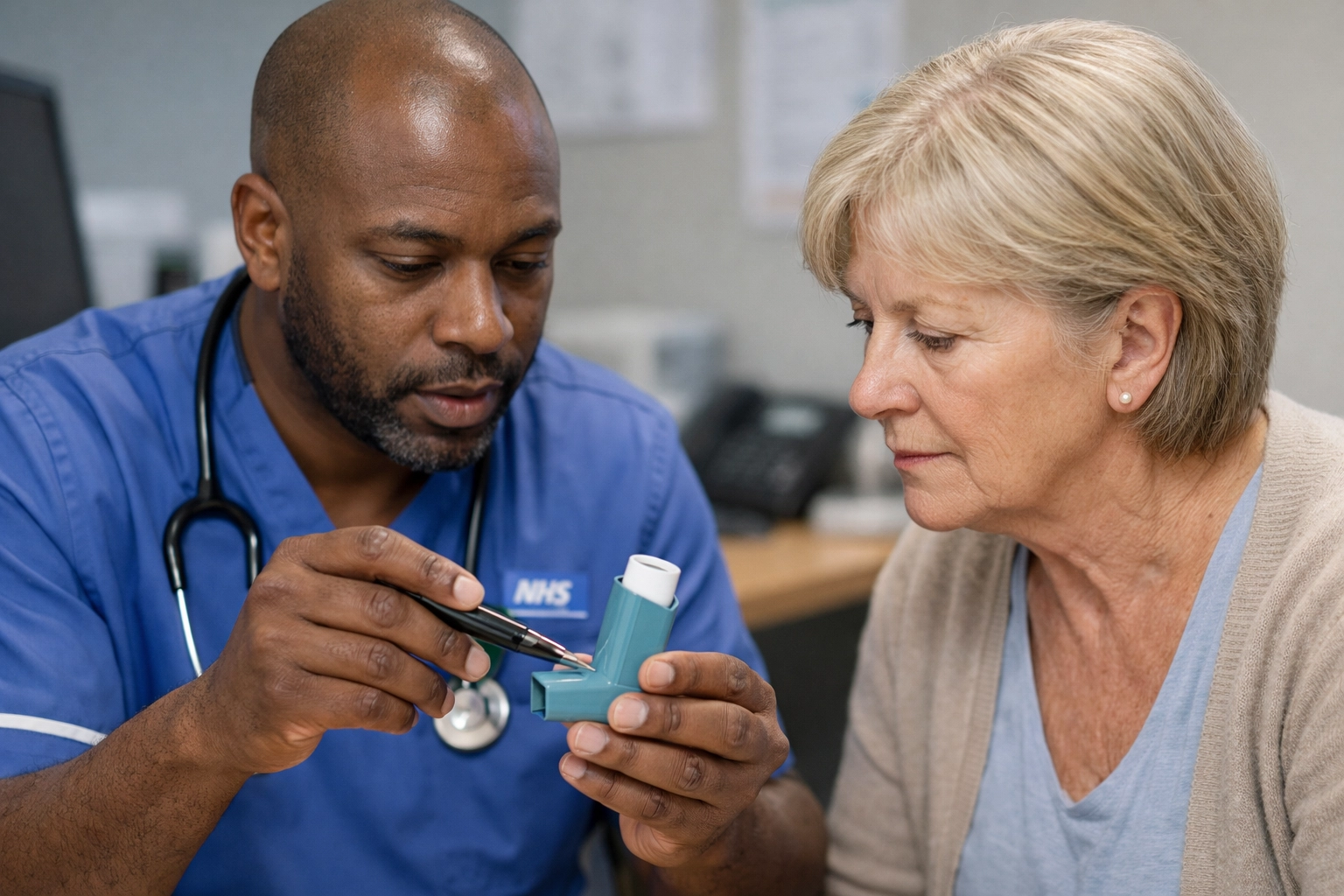
In the clinical world, we tend to use the word "education" for things we think are simple to explain. We "educate" a patient on why they should stop smoking or why they should eat more fibre. But using an inhaler is a physical skill. It’s more akin to learning a musical instrument or a golf swing than it is to memorising a fact.
When we treat technique as "education," it becomes a tick-box exercise. "Patient shown how to use device? Yes."
But what happens six months later? Physical skills degrade. Habits form. A patient might start breathing in too fast for a dry powder inhaler or failing to coordinate the press-and-breathe move on a metered-dose inhaler. If we don't treat this as a clinical intervention: something that requires regular "dosing," checking, and adjustment: we lose the therapeutic benefit.
What this looks like on the ground is a patient returning to a clinic with worsening symptoms. The clinician, seeing the decline, might assume the medication isn't working and escalate the treatment to a higher dose or a more expensive biologic. In reality, the original medication might have been perfectly fine if it had just been reaching the lungs.
The "Self-Taught" Clinician
We have to be honest about where the system is stretched. Approximately 43% of healthcare professionals in UK general practice report being self-taught on inhaler devices. With the sheer variety of devices currently on the market: from standard puffers to various dry powder designs: it is an enormous task for any clinician to be an expert in all of them.
Confidence levels are notably lower for newer devices. If the clinician isn't 100% sure how the device works, that uncertainty is passed directly to the patient. This is why we need to move toward a more integrated approach where pharmacists, respiratory nurses, and physiotherapists are given the time and space to specialise in device mastery.
Effective pathway excellence isn't just about choosing the right molecule; it's about ensuring the delivery of that molecule is guaranteed.
Inhaler Technique as a Clinical Intervention
If we reframe technique as a "clinical intervention," the way we approach a consultation changes:
- The Physical Check: Just as you wouldn't prescribe a drug without checking the dose, you shouldn't review a respiratory patient without seeing them use their device. Every single time.
- Objective Assessment: We need to move away from "Are you getting on okay with your inhaler?" to "Show me exactly how you take your morning dose."
- The "Check-Back" Method: Having the patient demonstrate the technique back to the clinician is the only way to ensure the skill has been transferred.
- Consistency Across the Pathway: Whether a patient is in a pharmacy, a GP surgery, or a hospital ward, the message and the check must be the same.
This shift also addresses the issue of "device switching." Sometimes, for cost or environmental reasons, patients are moved to different inhalers. If this is done without a face-to-face clinical intervention to teach the new physical skill, it is a recipe for a drop in disease control. We must balance our sustainability goals with the clinical reality of patient capability.
The Role of Life Sciences and Industry
The Life Sciences sector has a huge role to play here. Innovation shouldn't just be about the medication inside the plastic; it’s about making the plastic easier to use. We are seeing a move toward smart inhalers and digital monitoring tools that can track technique in real-time. These aren't just gadgets; they are data-driven interventions that can tell a clinician exactly where a patient is struggling.
However, technology is only half the battle. Industry partners can support the NHS by providing high-quality, non-promotional training for staff, ensuring that the "self-taught" clinician becomes a thing of the past.
A System Under Pressure
We know that clinics are understaffed and respiratory nurses are stretched to their limits. Finding an extra five minutes in a ten-minute consultation to watch a patient use an inhaler feels impossible.
But we have to ask: what is the cost of not doing it? The cost is the subsequent emergency appointment, the course of oral steroids, and the long-term lung damage that occurs when inflammation is left unchecked. By investing in the technique gap now, we save the system much more in the long run.
This is exactly the kind of challenge we discuss in our public forums. How do we redesign pathways so that there is actually time for these vital interventions?
Join the Conversation
The "technique gap" is one of those invisible hurdles in respiratory care. It doesn't get the same headlines as new "miracle drugs," but it affects more people every single day.
We want to hear from you. Are you a clinician who has found a way to build technique checks into your busy schedule? Are you a patient who struggled for years before someone finally showed you the right way to breathe? Or are you in Life Sciences working on the next generation of intuitive devices?
At The Respiratory Network, we believe that the best solutions come from connecting these different perspectives.
What you can do next:
- Become a Member: Join a community dedicated to closing the gaps in respiratory care. Sign up here.
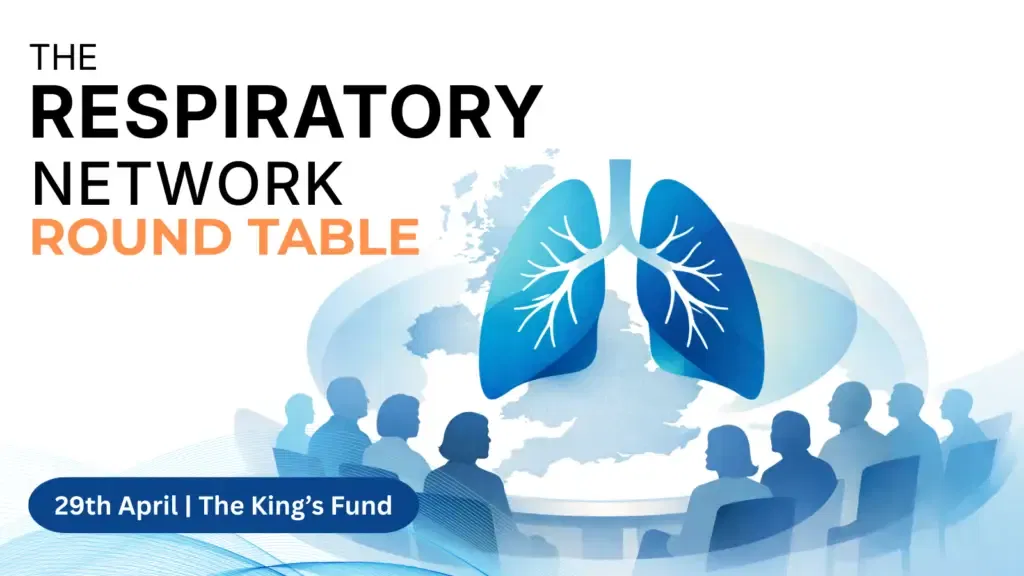
- Join our Round Table: We regularly bring together NHS leaders, patients, and industry experts to tackle these exact issues. Our next big event is on the 29th of April at The King's Fund. Find out more about our Round Table 2026.
- Follow us on Social Media: Stay updated with the latest insights and data driving the future of breath.
Closing the technique gap isn't just about better "education": it's about fundamentally changing how we deliver asthma care UK and respiratory care UK. Let's make sure that the medication we prescribe actually makes it where it needs to go.
Responses