

Equity of Breath: Tackling Health Inequalities in NHS Respiratory Leadership and Care

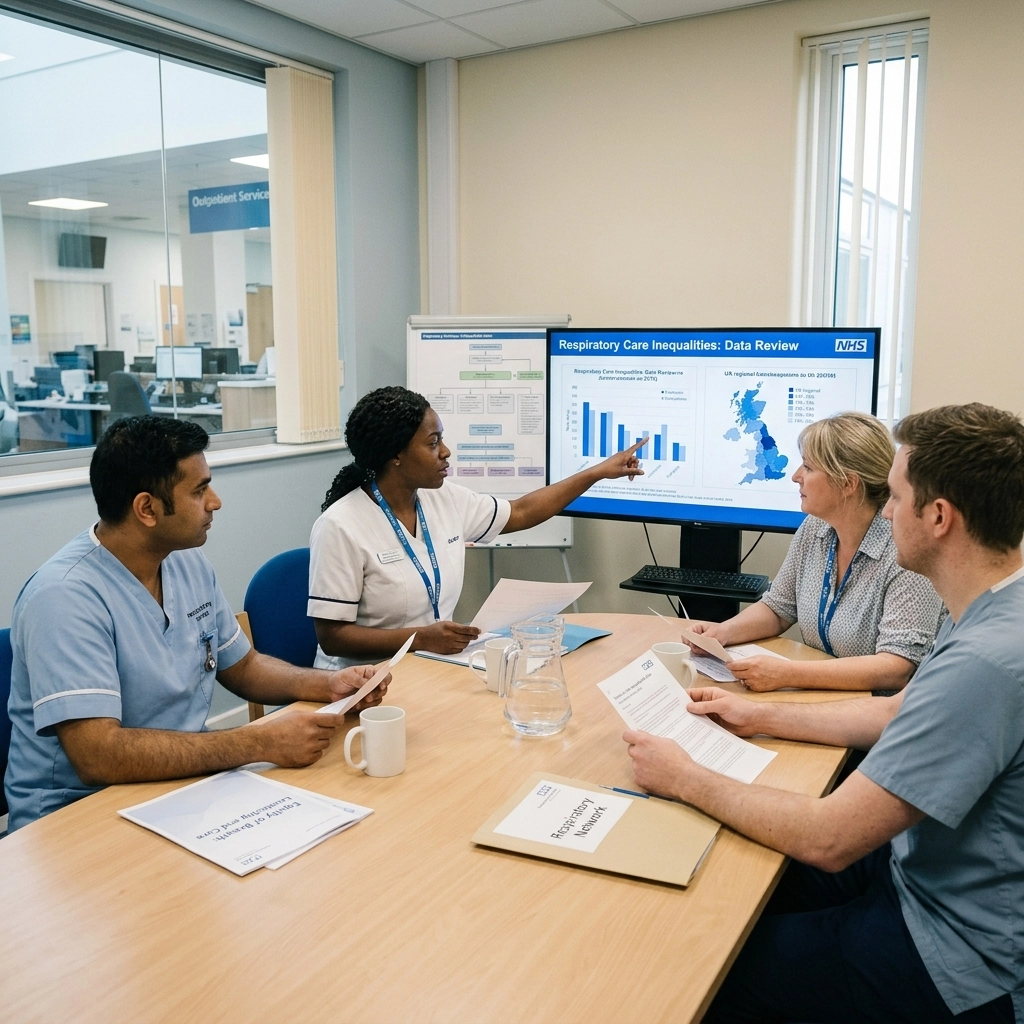
The ability to take a deep, clear breath should be a universal constant. Biologically, the lungs of a person in a leafy suburb and the lungs of someone living in a high-rise beside a busy motorway function on the same principles. Yet, in the reality of the UK healthcare landscape, the air someone breathes and the care they receive are often dictated by their postcode, their ethnicity, and their bank balance.
When we talk about health inequalities healthcare UK, we aren’t just looking at statistics on a spreadsheet. We are looking at why some people are diagnosed with COPD a decade too late, why children in certain boroughs are three times more likely to be admitted for asthma, and why advanced therapies remain out of reach for many who need them most.
For those in NHS respiratory leadership, the challenge is no longer just clinical, it is structural.
Note: The following discussion focuses on healthcare pathways and systemic insights. It does not constitute medical advice. If you have concerns about your own lung health, please seek guidance from a qualified healthcare professional.
The Stark Reality of Ethnic Disparities
Recent initiatives, such as the Equal Breath Priority Setting Partnership (PSP), have begun to pull back the curtain on some uncomfortable truths. The data is sobering: people of Black heritage in the UK are 3.9 times more likely to die from an asthma attack compared to those from white backgrounds.
This isn't just about genetics; it’s about the "Allergic March" and how early childhood sensitisation is managed in different communities. We see higher hospital admission rates for children from ethnic minority backgrounds, often because the early warning signs are missed or the pathways to specialist care are obscured by language barriers, mistrust of the system, or simply a lack of representation in clinical trials.
In practice, what we often see is a "diagnostic delay." A persistent cough in a patient from a lower socioeconomic or ethnic minority group might be dismissed as a lifestyle by-product or a minor infection, whereas the same symptom in a different demographic might trigger an immediate referral for diagnostic testing.
The Postcode Lottery of Diagnostics
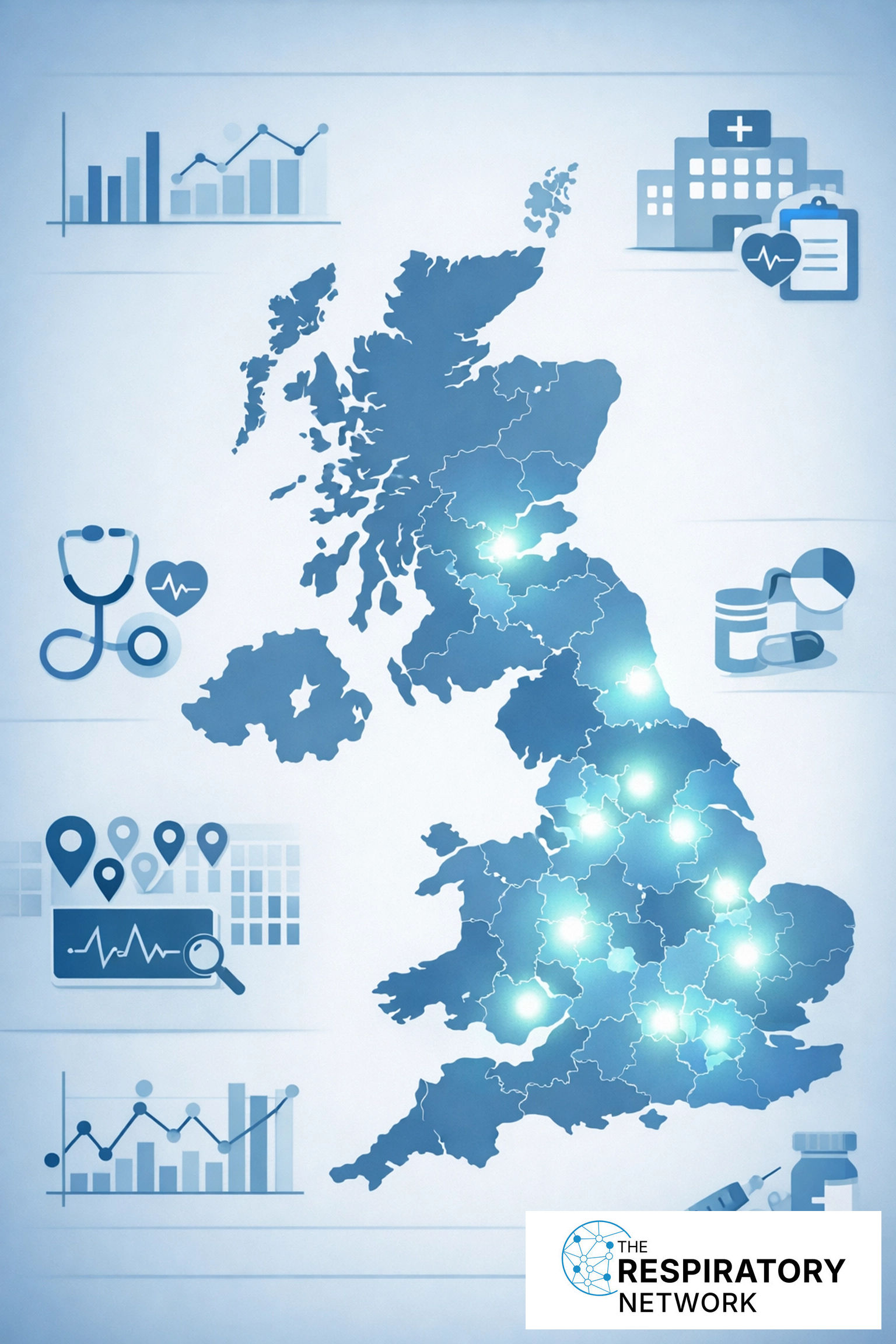
If you can’t measure it, you can’t treat it. Spirometry is the gold standard for respiratory diagnosis, yet access to it has become one of the most visible markers of health inequality.
Following the pandemic, spirometry backlogs became a significant hurdle. However, the recovery of these services hasn't been uniform. In many affluent areas, Primary Care Networks (PCNs) have been quick to re-establish testing or utilise community diagnostic centres. In contrast, in areas with high levels of deprivation, staffing shortages and a lack of functional equipment mean that patients are often diagnosed based on "clinical suspicion" alone.
When we rely on symptom-based assumptions rather than objective testing, misdiagnosis becomes rampant. We see COPD misdiagnosed as asthma, and vice versa. Or, perhaps most tragically, breathlessness is simply attributed to age or obesity. This "diagnostic inertia" means patients only enter the system when their disease is already advanced, reducing their quality of life and increasing the burden on emergency services.
Socioeconomics: Cold Homes and Damp Walls
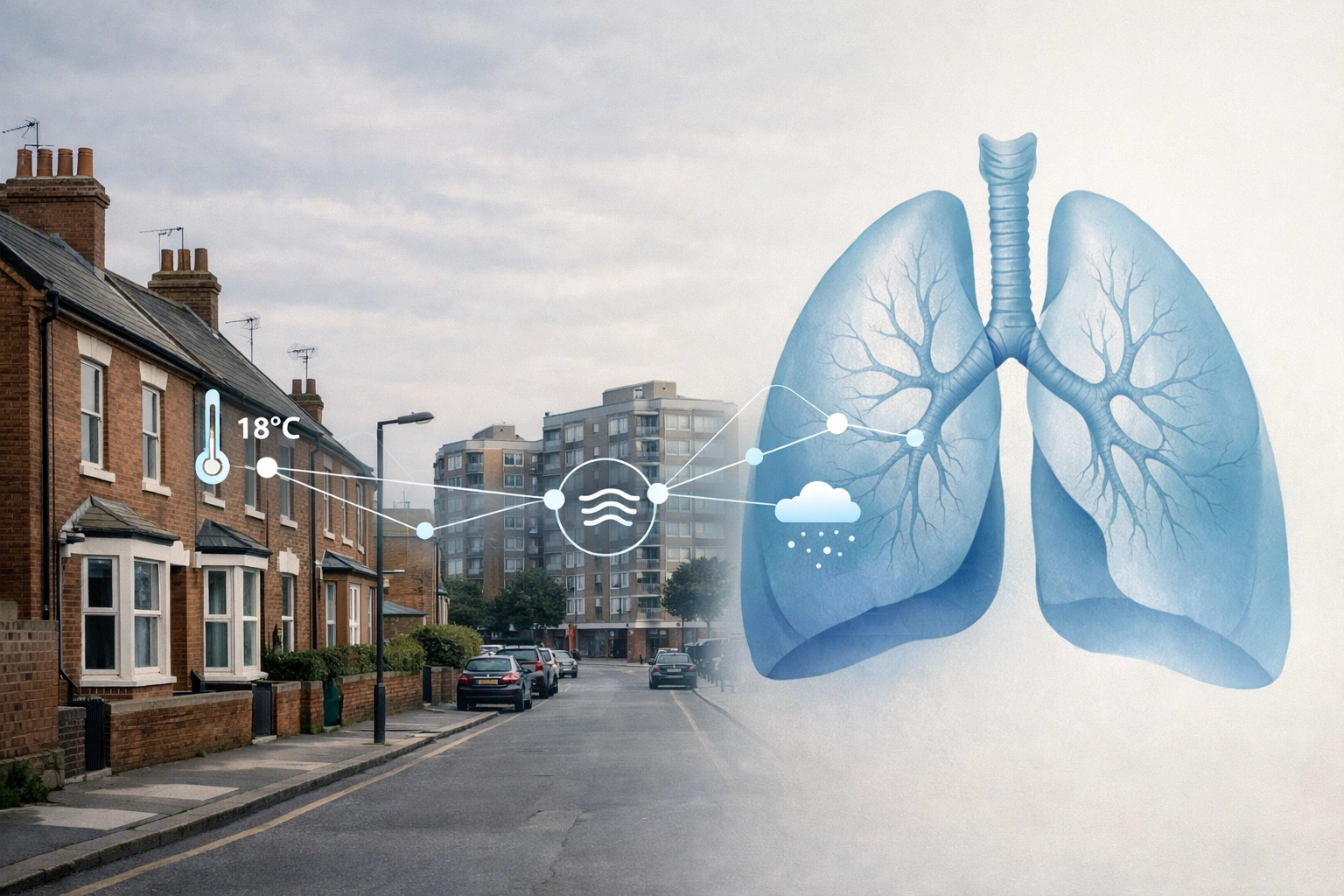
We cannot discuss respiratory health without addressing the environment. For many, the "cost of living" crisis is actually a "cost of breathing" crisis. Fuel poverty and poor-quality housing are two of the most significant drivers of winter respiratory admissions.
A patient can have the best inhaler technique in the world, but if they are returning to a home filled with black mould and damp, their clinical outcomes will remain poor. The NHS is often left treating the symptoms of a housing crisis.
What this looks like on the ground is a revolving door of exacerbations. NHS respiratory leadership is now tasked with looking beyond the clinic walls. Integrated Care Systems (ICSs) are beginning to explore how they can integrate housing and environmental health into respiratory pathways. This isn't just "social work": it is essential preventative medicine.
Access to Advanced Therapies: The Biologics Gap
The emergence of advanced therapies, such as biologics for severe asthma, has been a breakthrough in respiratory medicine. These treatments can be life-changing, yet the "equity of access" to these therapies is far from balanced.
Accessing biologics usually requires a referral to a tertiary specialist centre. For a patient working three jobs or someone with limited transport options, a series of appointments at a distant hospital can be an insurmountable barrier. Furthermore, there is often a lack of awareness among both patients and primary care clinicians in underserved areas about the eligibility for these advanced treatments.
If our pathways don't account for the reality of a patient's life: their work schedule, their digital literacy, their ability to travel: then the most "innovative" treatments will only ever benefit the most privileged.
The Role of Life Sciences and Ethical Engagement
The Life Sciences sector is a vital part of the respiratory ecosystem. However, for industry to be a true partner in tackling health inequalities, the focus must shift from product-centric models to pathway-centric support.
Ethical engagement means working with the NHS to identify the "missing patients": those who have dropped off the radar or who have never been correctly diagnosed. It involves supporting education in areas of high deprivation and ensuring that clinical trials are diverse enough to reflect the actual population of the UK. When Life Sciences and the NHS align on the goal of equity, we see real movement in the needle of patient outcomes.
NHS Strategy: Moving from Policy to Practice
We have the policies. The NHS Long Term Plan and various ICS strategies all highlight the need to reduce health inequalities. But as many respiratory nurses and consultants will tell you, the gap between policy and the "front line" is often wide.
Pathway transformation in a system under pressure requires more than just new guidelines; it requires a workforce that is sustained and supported. We cannot address inequalities if our specialist nurses are too stretched to conduct the thorough reviews that identify social risk factors.
Leadership in this space means being brave enough to disproportionately allocate resources to the areas of greatest need. It means acknowledging that a "one size fits all" approach to respiratory care is, by definition, unequal.
Bridging the Gap Together
Tackling health inequalities is not a task for a single person or even a single organisation. It requires a network. It requires the lived experience of patients who have struggled to be heard, the expertise of clinicians working in the heart of our cities, and the innovation of the Life Sciences sector.
At The Respiratory Network, we believe that by bringing these voices together, we can start to dismantle the barriers to equitable care. Whether it's through our public forums or our high-level round table events, the goal is the same: ensuring that every breath counts, regardless of who you are or where you live.
Join the Conversation
Are you a healthcare professional, a member of the Life Sciences community, or someone with lived experience of respiratory disease? We want to hear your perspective on how we can better tackle these disparities.
- Become a Member: Join our community to access exclusive resources and connect with leaders in the field. Register here.
- Join the Discussion: Head over to our Round Table 2026 forum to share your insights on pathway innovation.
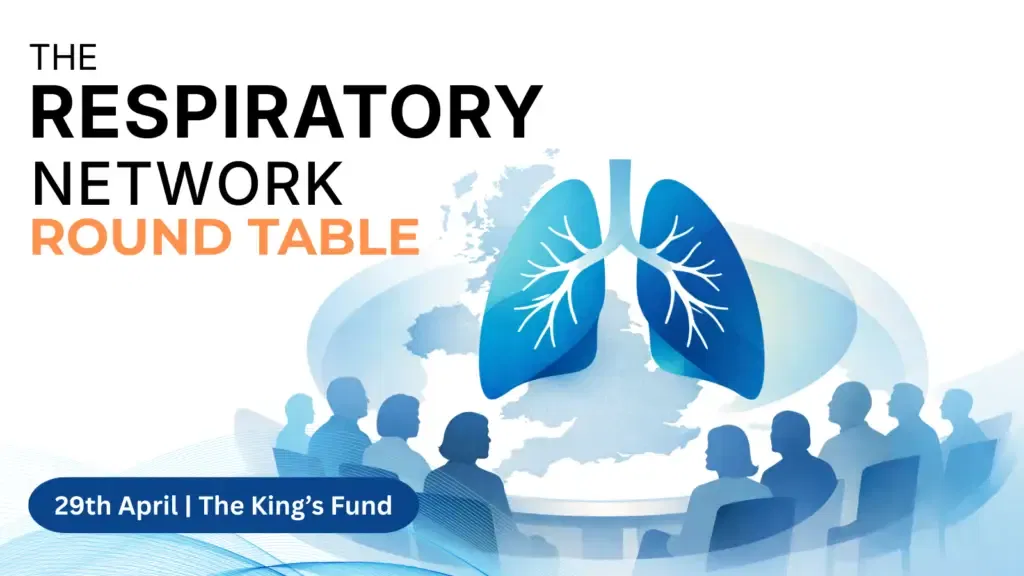
- Attend Our Next Event: Join us at The King’s Fund on the 29th of April for a collaborative look at the future of respiratory care. Get your tickets here.
Categories: Health Inequalities; NHS Strategy & Leadership; Pathway Excellence
Tags: Health Inequalities; NHS Leadership; Asthma Care UK; COPD Care UK; Diagnostics; Lived Experience; Integrated Care Systems (ICS); Respiratory Pathway.

Responses