

Scaling Pulmonary Rehab: Lessons from the Frontline

Important Information: The Respiratory Network provides this content for informational and networking purposes only. The following article does not constitute medical advice, diagnosis, or treatment recommendations. Always seek the advice of a qualified healthcare professional with any questions regarding a medical condition. We do not endorse or recommend specific pharmaceutical products.
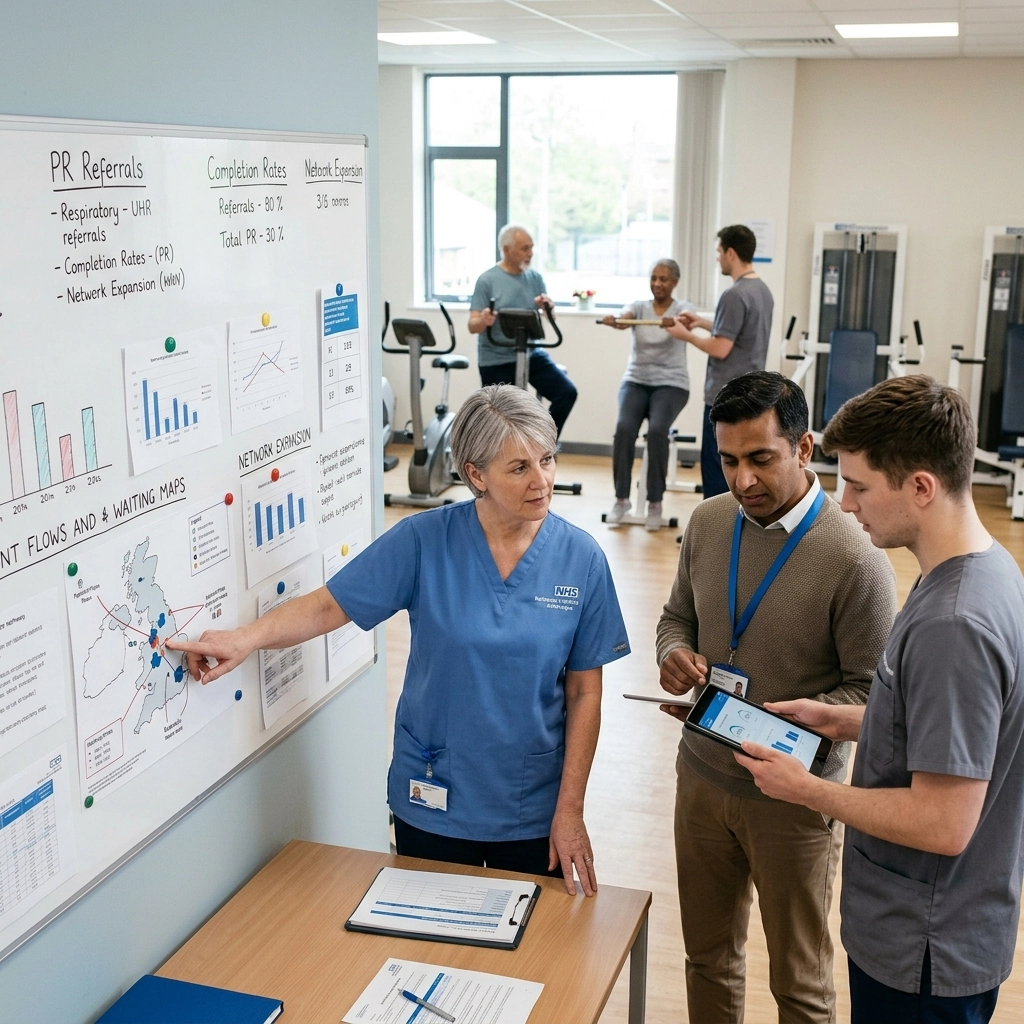
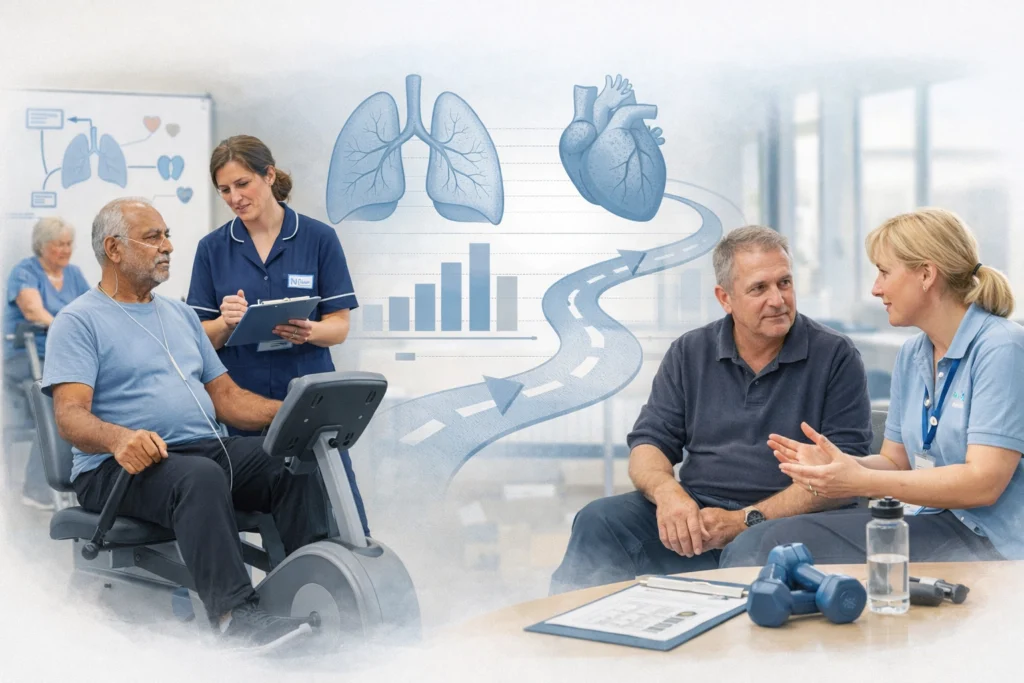
Pulmonary rehabilitation (PR) has long been recognized as a cornerstone of respiratory care. It is a multi-layered intervention that combines physical exercise, education, and psychological support. When delivered effectively, it transforms lives, reducing breathlessness and improving the functional independence of those living with chronic lung conditions.
However, the challenge within the UK’s healthcare landscape has never been about the efficacy of PR; it has been about equity and scale. For many years, access to these services has been a "postcode lottery." As we look toward the future of the NHS and the evolving role of Integrated Care Systems (ICS), the focus has shifted from proving that PR works to figuring out how to make it available to everyone who needs it.
In practice, scaling these services requires more than just more funding. It requires a fundamental shift in how we view the workforce, how we integrate digital tools, and how we move care out of traditional hospital settings and into the heart of the community.
The Workforce: Moving Beyond Traditional Silos
The most significant hurdle to scaling PR is not a lack of gym equipment; it is a lack of people. A high-quality PR program requires a multidisciplinary team (MDT). This team typically includes physiotherapists, respiratory nurses, exercise specialists, dieticians, and occupational therapists.
What we are seeing on the ground is a move away from the rigid, hospital-centric staffing models of the past. To scale effectively, frontline services are increasingly looking at "blended" roles. For example, some regions are utilizing therapy assistants and community exercise instructors who have been specifically upskilled in respiratory care. This allows highly specialized clinicians to focus on the most complex cases, such as those requiring advanced cardiopulmonary exercise testing (CPET) or those with multiple comorbidities.
Scaling also means addressing the "burnout" factor. Respiratory teams have been under immense pressure for years. Successful scaling models are those that build in peer support for staff and clear career progression pathways. When clinicians feel supported, the service remains stable, and patient outcomes follow suit.

Community-Based Models: Taking Rehab to the Patient
For a patient struggling with severe breathlessness, the journey to a central hospital can be a barrier so high that they simply drop out of the program before it begins. Scaling PR requires us to reconsider the "where" of delivery.
Community-based models are proving to be a vital success story. By utilizing leisure centres, church halls, and community hubs, services are making PR more accessible. These settings are often less intimidating than clinical environments and help to normalize exercise as a part of daily life rather than a "medical treatment."
However, community delivery comes with its own set of logistical challenges. Issues such as equipment transport, emergency protocol management in non-clinical spaces, and maintaining data connectivity back to central NHS records are all "frontline" hurdles that teams are currently navigating. The lesson learned is that community PR is not "PR lite": it requires the same clinical rigour as hospital-based programs but with a much more flexible logistical framework.
You can read more about how community pathways are being developed in our member discussions here: The Respiratory Network – Forums
The Digital Innovation: Supplementing, Not Replacing
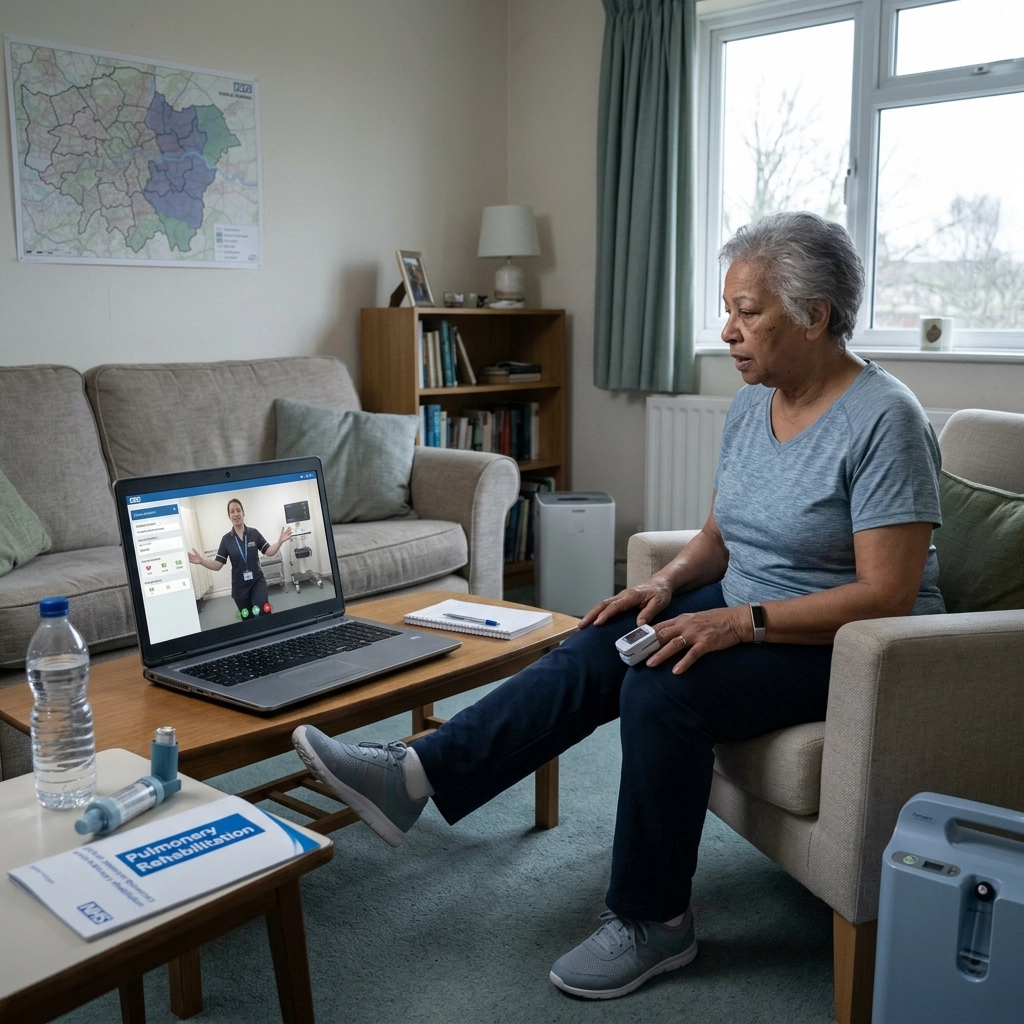
Digital health is often touted as the ultimate solution for scaling, but the reality is more nuanced. During the pandemic, virtual PR became a necessity. Now, it has evolved into a permanent fixture of the respiratory pathway.
Digital platforms: including apps for tracking exercise, video-led education sessions, and remote monitoring tools: allow services to reach patients who are housebound or those who prefer to exercise in a private environment. These tools are excellent for scaling the educational component of PR, which can often be delivered to large groups via a single webinar.
The challenge, however, is the "digital divide." Many patients with chronic respiratory conditions are older or live in areas of higher deprivation where high-speed internet and smartphones may not be a given. Frontline teams have learned that a "digital-first" approach must actually be a "digital-choice" approach. Successful scaling involves using tech to free up space in face-to-face classes for those who need them most, rather than forcing everyone onto a screen.
The Success of Personalisation
One size does not fit all in respiratory care. Recent insights suggest that programs incorporating detailed initial assessments: such as CPET: tend to see significantly better outcomes. By understanding a patient’s specific physiological limits, clinicians can tailor an exercise prescription that is safe and effective.
Scaling does not mean "diluting" the service. In fact, the most successful implementations are those that use data to stratify patients. Some patients may only need a light-touch community program, while others require intense, supervised sessions. By using data to ensure the right patient gets the right level of support, services can manage larger numbers of people without losing the quality of care.
Ongoing discussions regarding diagnostic accuracy and its role in PR can be found at: The Respiratory Network – Forums
The Maintenance Gap: Beyond the 12-Week Mark
Perhaps the greatest challenge in scaling PR is what happens after the program ends. Data suggests that without a structured maintenance plan, the physical gains made during a 6-to-12-week program can begin to diminish within a year.
Scaling "success" must, therefore, include the "maintenance" phase. This is where the integration between the NHS and the third sector (charities and local fitness groups) becomes critical. Frontline teams are increasingly "social prescribing" patients into local "maintenance" classes. These are often led by fitness instructors trained in respiratory health, providing a lower-cost, sustainable way to keep patients active long-term.
What clinicians often describe is that the social connection formed during PR is just as important as the physical exercise. When a program ends, that social safety net can disappear. Scaling efforts that focus on "alumni" groups or peer-led maintenance sessions see much higher rates of long-term adherence.
The Economic Argument for Scaling
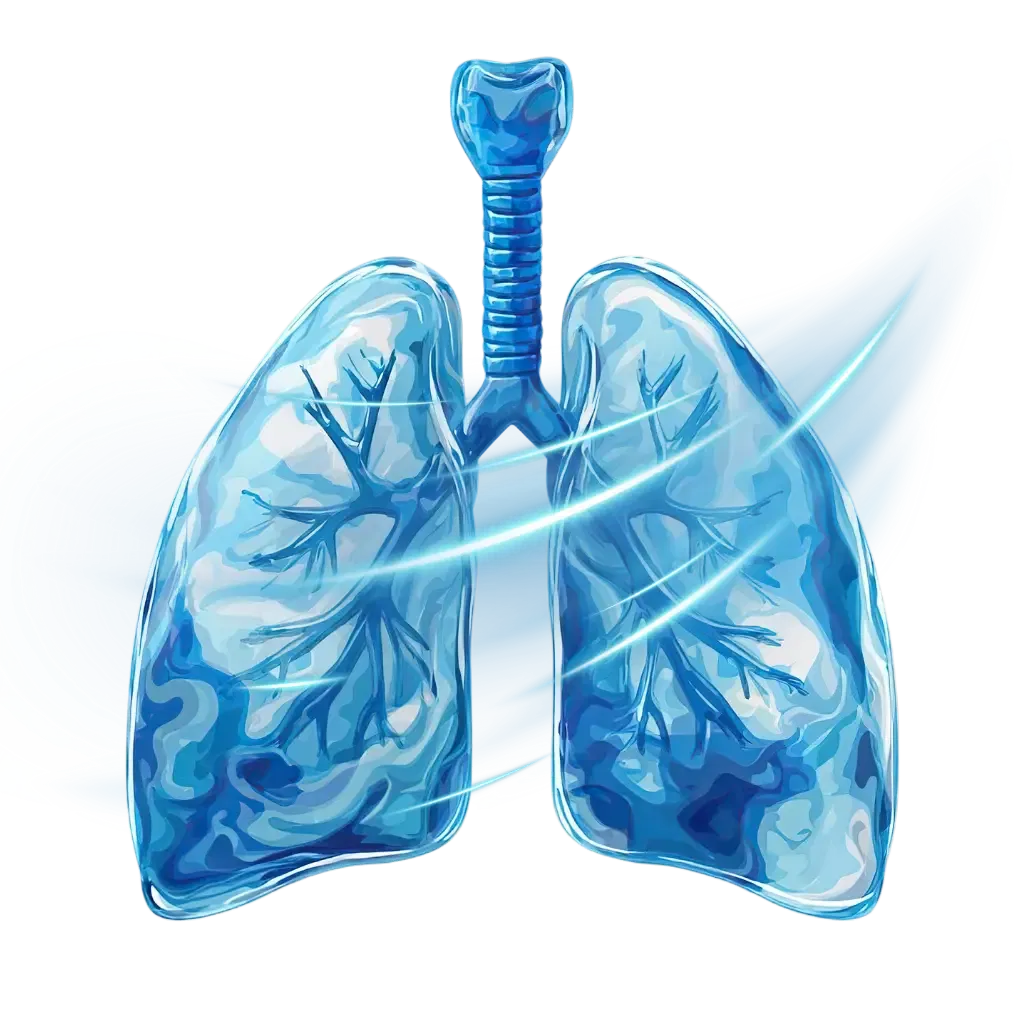
For Life Sciences directors and NHS leadership, the argument for scaling PR is often financial. Chronic respiratory conditions are one of the leading causes of emergency hospital admissions. A well-scaled PR service acts as a preventative measure, keeping patients stable and out of hospital beds.
In the context of the NHS 10-Year Health Plan, respiratory health is a high priority. Scaling PR is not just a "nice to have" clinical improvement; it is an economic necessity for Integrated Care Boards (ICBs) looking to manage their budgets and improve the overall productivity of the workforce.
Lessons Learned: A Roadmap for the Future
As we look at the successes across the UK, several key themes emerge for any ICS looking to scale their respiratory services:
- Flexibility is Key: A mix of hospital, community, and digital delivery is the only way to reach 100% of the eligible population.
- Invest in the MDT: The workforce is the engine of PR. Scaling requires new roles and better support for existing staff.
- Data-Driven Decisions: Use assessment data to ensure resources are targeted where they will have the most impact.
- Partner with the Community: The NHS cannot do this alone. Collaboration with local authorities, leisure providers, and patient groups is essential.
Scaling pulmonary rehab is a journey of a thousand small steps. It is about taking the clinical excellence we already have and building the infrastructure to make it accessible to every street in the UK.
Join the Conversation
Are you a clinical lead, a patient advocate, or an industry partner working to improve respiratory pathways? We invite you to be part of the solution.
- Become a Member: Join The Respiratory Network to access exclusive forums and insights. Register on our site here.
- Join the Conversation: Share insights and connect with peers in our Forums.
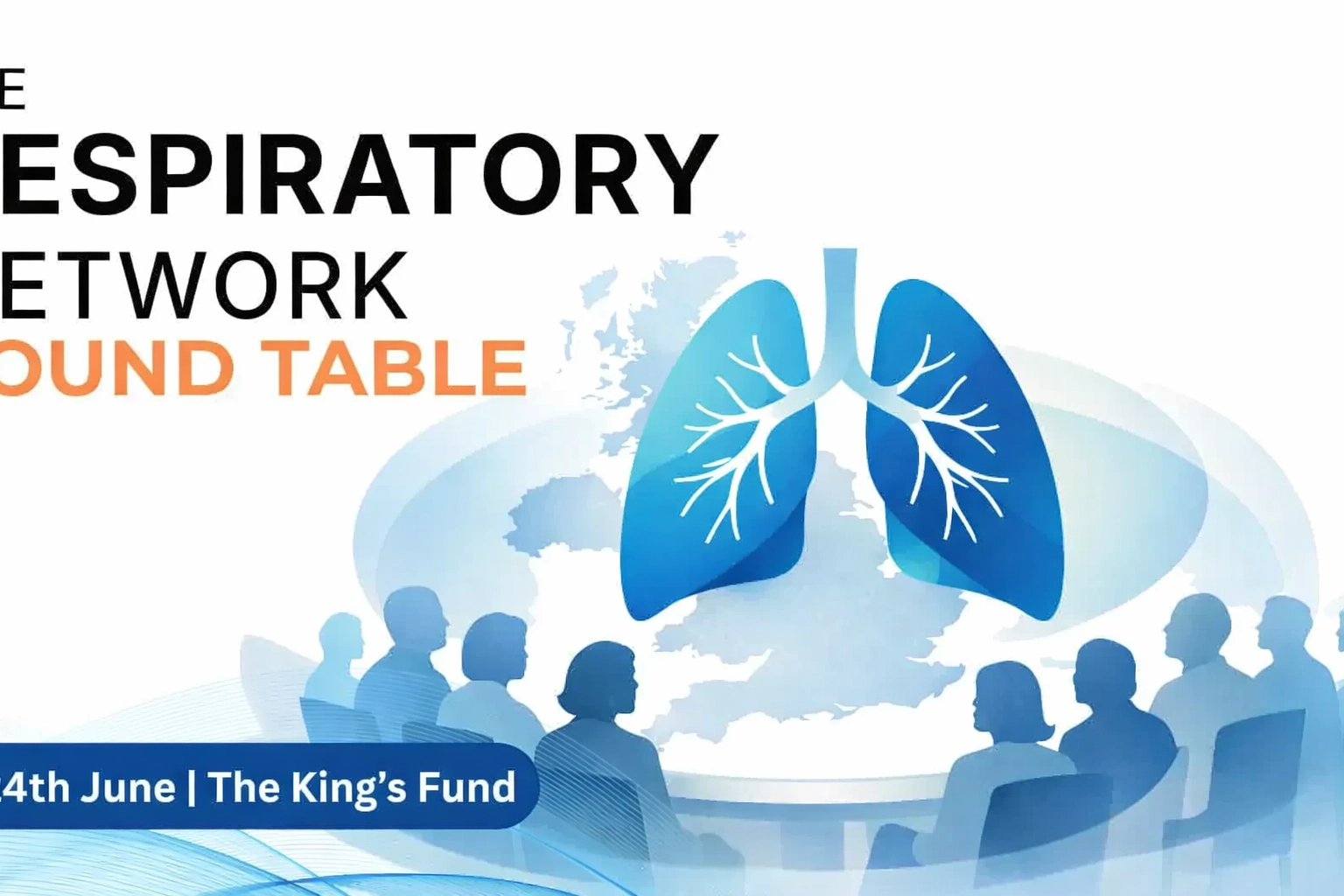
- Attend Our Round Table: We're hosting a major discussion on the future of respiratory care at The King's Fund on 24th June. Register for the event here. This is a unique opportunity to sit at the table with the people shaping the next decade of care.
To learn more about our upcoming events and how you can contribute to the future of breath, visit: The Respiratory Network

Responses