

The 25% Surge: Understanding the Rise in UK Pneumonia Case

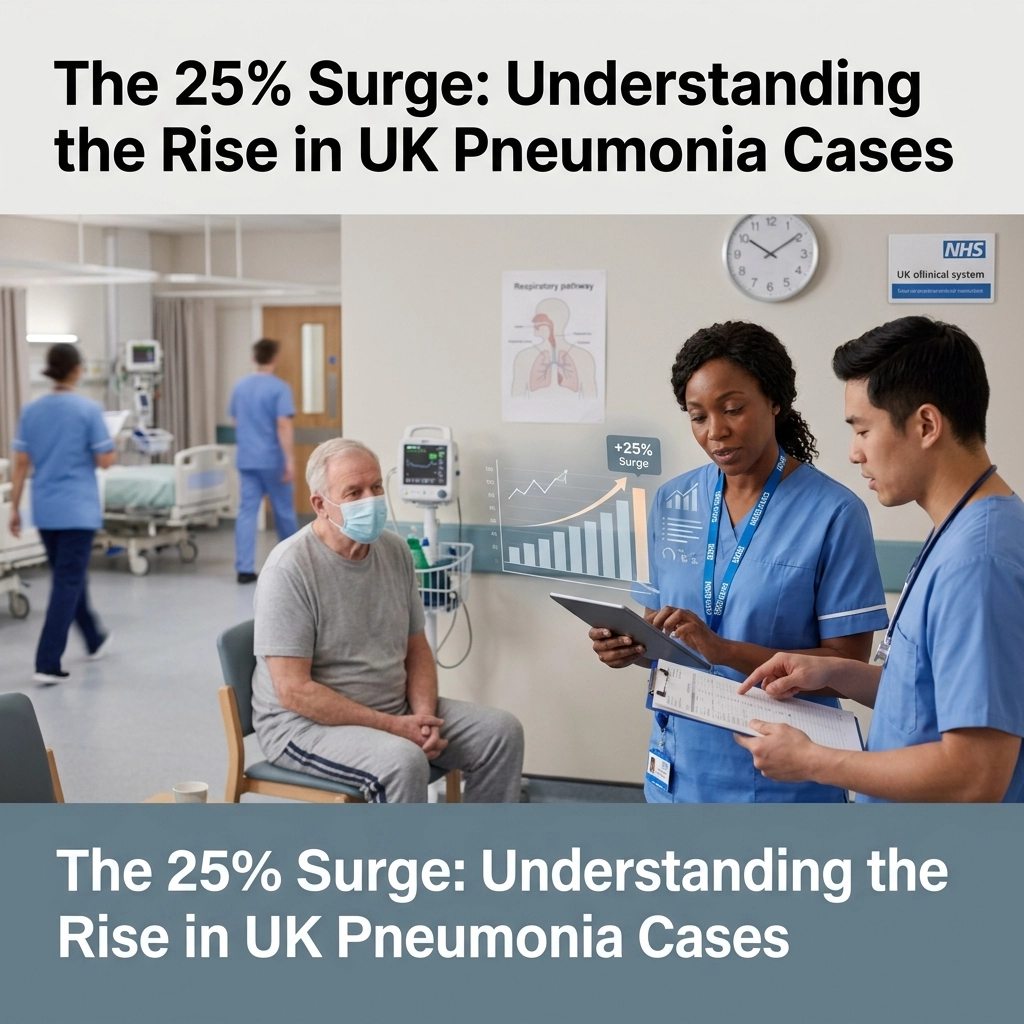
As we move through May 2026, the data landing on our desks is painting a challenging picture for respiratory health across the UK. While we often talk about long-term shifts in care pathways and the evolution of technology, sometimes a single statistic stops us in our tracks. Recently, that statistic has been the 25.4% surge in emergency pneumonia hospitalisations.
It is a figure that demands a bit of a "stop and think" moment. For those of us working within the NHS, Life Sciences, or as patient advocates, seeing over 579,000 people requiring emergency care for pneumonia in a single year is more than just a data point, it reflects pressure across every part of the system, from frontline clinicians to the families waiting in A&E.
The Reality of the Numbers
To put this into perspective, between April 2022 and March 2023, the numbers were already significant. However, the leap to nearly 580,000 cases by March 2025 shows a trajectory that isn't just a seasonal "blip." Pneumonia has firmly held its ground as the single biggest cause of emergency admissions in England. In fact, it accounts for more than double the admissions of other major conditions like sepsis or heart failure.
What this looks like on the ground is a respiratory system that is constantly in "red" mode. When emergency admissions rise, the capacity for planned care, routine reviews, and innovation often gets squeezed. It’s a domino effect that many of our members in The Respiratory Network groups describe as one of their biggest daily hurdles.

Why is This Happening Now?
It’s easy to look for a single explanation, but the reality is usually more layered. From what we are observing in the data and hearing across the respiratory community, a few key factors appear to be converging:
1. The Community Care Gap
There is a growing sense that many of these emergency admissions are, in theory, avoidable. When community care for those with existing lung conditions is stretched, the "safety net" that keeps people out of the hospital can start to fray. If a person with a chronic respiratory condition isn't able to manage a minor setback at home, it quickly escalates into a hospital-level emergency.
2. The Rise of Mycoplasma pneumoniae
We've also seen a specific surge among younger populations. Data from the last year highlighted a significant increase in pneumonia cases driven by Mycoplasma pneumoniae, particularly in children aged 5 to 14. This was the first major epidemic of its kind following the pandemic years, and it caught many services off guard. While the peak has fluctuated, the impact on emergency departments has been undeniable.
3. The Vulnerability of the Lungs
Our lungs are essentially our interface with the world. With smoking-related admissions rising again and the general pressure of seasonal viruses, including a doubling of influenza admissions in recent cycles, the baseline health of our collective "respiratory reserves" is being tested.
Moving Beyond the "Emergency" Mindset
If we stay in a reactive loop, we are simply managing the surge rather than understanding it. This is why wider calls for increased respiratory research funding and stronger long-term planning matter.
Currently, respiratory health does not always receive the same level of investment or attention as other major disease areas. Yet, when you look at the emergency admission data, the case for rethinking how lung health is prioritised becomes hard to ignore. We need to move the conversation from "how do we find more beds?" to "how do we reduce the number of people needing them in the first place?"

What This Means for Our Network
For the Life Sciences sector, this surge highlights the need for earlier diagnostics and better understanding of where support is most needed in the pathway. For NHS leaders, it points to workforce resilience and pathway design. For people living with respiratory conditions, it is about confidence that support is available before a situation becomes a crisis.
In practice, this means better conversations between the people shaping services, the people delivering care, and the people living with the realities of respiratory illness. There is often a gap between the "data" and the "doing," and bridging that gap is exactly what we aim to do within our forums.
Join the Conversation on 24th June
We shouldn't be looking at these statistics in isolation. The 25% surge is a symptom of a wider system under strain, but it’s also an opportunity to rethink how we collaborate.
We’re bringing these topics to the table at our next major event. It’s a chance to step away from the spreadsheets and talk about the practical realities of respiratory care in 2026.
- What: The Respiratory Network Round Table
- When: 24th June 2026
- Where: Event Details & Agenda
If you are involved in respiratory care, whether you’re an NHS clinical lead, a Life Sciences director, or a patient advocate, your perspective is needed. What matters is creating space to look at the data together and explore a more sustainable way forward.

A Note on Research and Innovation
Discussion about increased research funding is not just about the headline number. It reflects a wider need to understand risk earlier, explore why some populations are affected more than others, and consider how data and digital tools might support respiratory care more effectively.
While those larger funding questions continue, there is also value in focusing on practical areas that services often return to: helping people understand how to use their prescribed devices correctly, supporting prevention activity in the community, and ensuring respiratory services are integrated rather than siloed.
Grounded in Reality
The 25% surge is a reminder that respiratory health is not a "solved" problem. It is a dynamic, evolving challenge that requires a dynamic, evolving response. By looking at the data honestly, without being sensationalist but without ignoring the pressure, we can start to build a more resilient pathway for everyone.
If you haven't already, please register here to join our community and stay updated on the latest insights and data as they emerge.
Medical Disclaimer:
The information provided in this blog post is for informational and educational purposes only and is not intended as medical advice. The Respiratory Network does not provide medical diagnoses, treatment recommendations, or clinical guidance. Always seek advice from a qualified healthcare professional if you have questions about a medical condition or your care. Never disregard professional medical advice or delay seeking it because of something you have read on this website. The views expressed here are grounded in observed data and wider system context and should not be used as a substitute for professional medical advice.
Category: Data & Insights
Tags: Respiratory Health UK, NHS Respiratory Services, Integrated Care Systems (ICS), NHS Strategy, Patient Engagement UK.

Responses