

Numbers That Matter: What the Latest Pneumonia Spike Tells Us


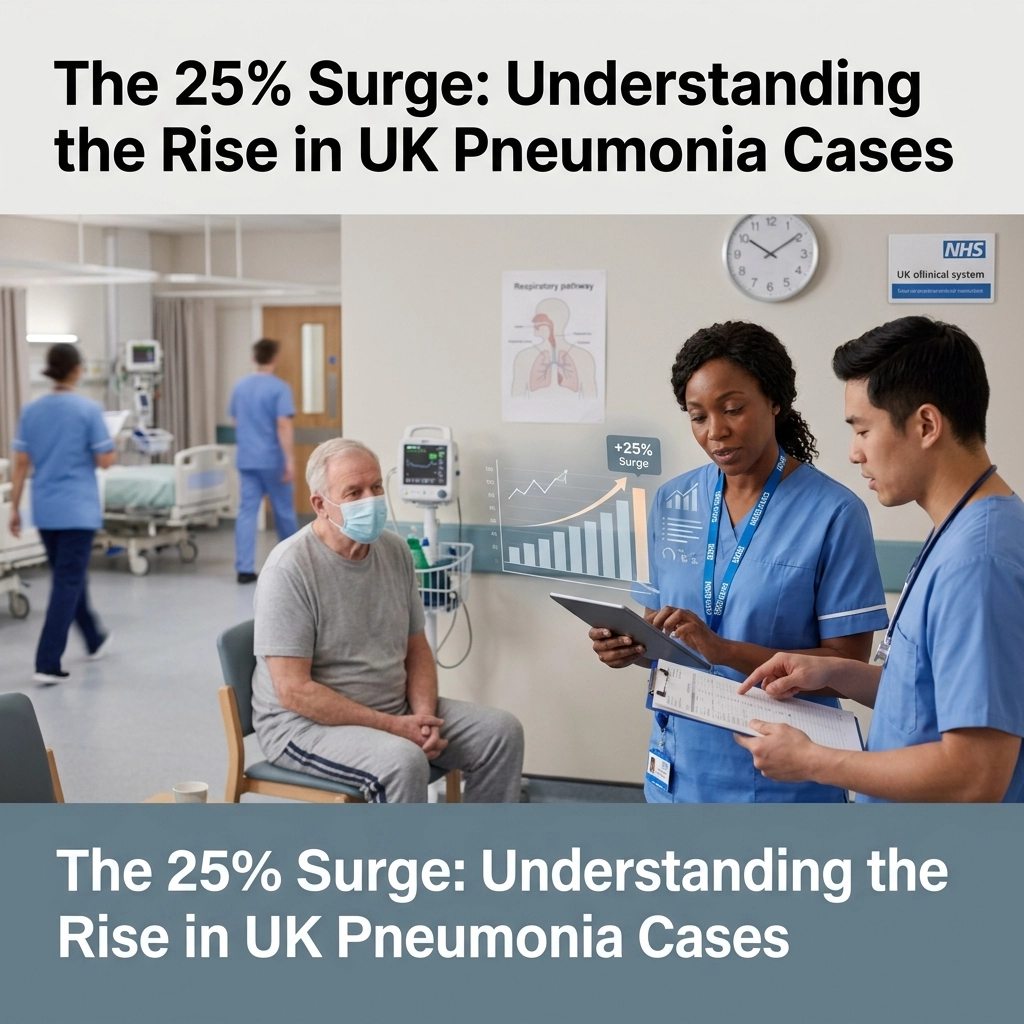
It is often said that data tells a story, but in respiratory health, data often shows where the pressure points are. As we move through May 2026, the numbers coming out of the NHS are doing exactly that. One figure, in particular, stands out: a 25.4% surge in pneumonia cases requiring emergency care.
This is more than a seasonal fluctuation. It points to a meaningful increase in pressure across urgent and emergency care and raises important questions about how respiratory health is being managed across the UK. At The Respiratory Network, we often look at how different parts of the system connect, from pathway design to frontline delivery. This latest spike in pneumonia is a useful example of why that wider view matters.
What the Numbers Are Saying
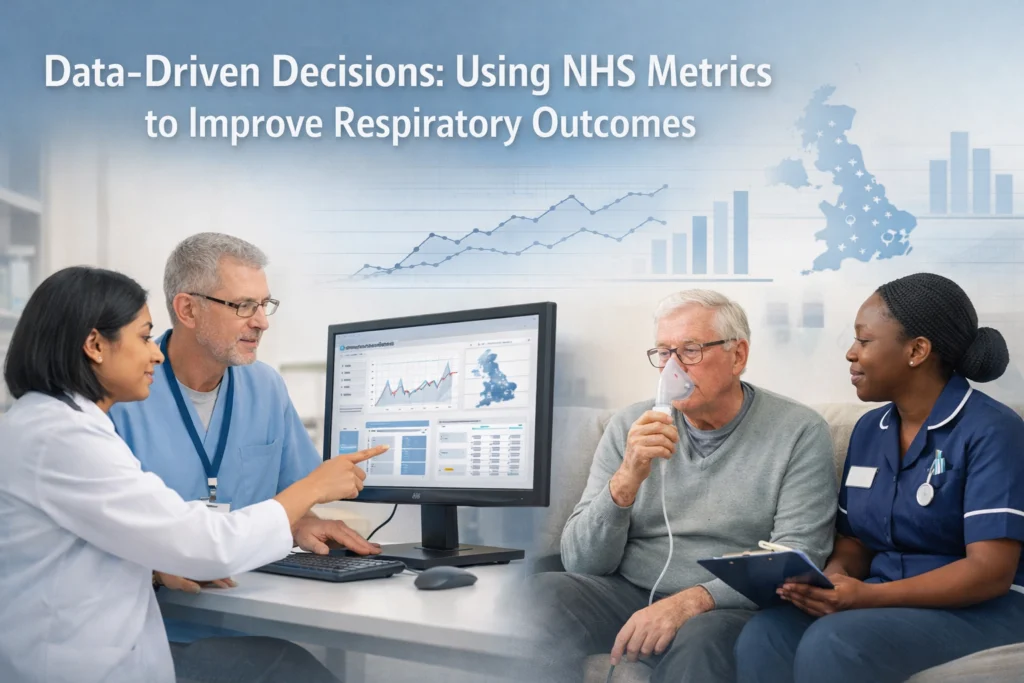
When we look at the data from the last couple of years, the trend is clear. Between the 2022-23 period and the 2024-25 period, emergency admissions for pneumonia have climbed sharply. While overall respiratory emergency admissions in England rose by a more modest 1%, the intensity of pneumonia cases has outpaced almost everything else.
In practice, this means our A&E departments and respiratory wards are seeing a higher volume of patients who are significantly unwell. It isn't just about the sheer number of people; it’s about the complexity of their care. When you couple this with the fact that influenza admissions have effectively doubled in the last year, you start to see the "perfect storm" that healthcare teams are navigating.
What is perhaps most concerning is that many of these admissions are being described as avoidable. This suggests that the current pathway, from initial symptoms to hospitalisation, may have gaps that need closer attention. Whether that means stronger prevention work, clearer support in the community, or earlier intervention, the wider aim is the same: helping people stay as well as possible and reducing avoidable deterioration.
As ever, this blog is for general awareness and discussion only and should not be taken as medical advice.

The Human Element Behind the Data
It is easy to get lost in percentages, but every admission represents a person whose life has been disrupted. With 1 in 5 people in the UK affected by lung conditions, the vulnerability of the population is high. We are also seeing a 5% increase in smoking-related hospital admissions compared to previous years. Although these figures remain below pre-pandemic levels, the upward trend suggests that public health challenges are far from over.
What patients and clinicians often describe is a feeling of being "on the edge." For someone living with a chronic condition like COPD or asthma, a bout of pneumonia isn’t just a temporary illness; it is a major event that can lead to a permanent decline in lung function or a terrifying series of flare-ups.
Recent respiratory insight has reinforced the point that respiratory care cannot continue to sit in the background. For a long time, respiratory services and research have had to compete for attention and resource within a very pressured system.
A New Era of Partnership
In the face of these rising numbers, there are also signs of more joined-up working. A new £10m+ Respiratory Transformation Partnership (RTP) involving NHS England and Life Sciences partners suggests a growing recognition that respiratory pressures cannot be addressed by one part of the system alone.
This partnership is not just about funding. It points to a broader effort to improve how care is organised, with a focus on pathways, access, and more consistent support for people living with lung conditions. When the NHS, Life Sciences, and people with lived experience are in the same conversation, the discussion is often more practical and more grounded in what happens in real services.
We are also seeing a shift in how some patients manage their conditions day to day. Over 1 million people have now transitioned to newer inhaler approaches, representing a 63% increase. That trend may reflect growing emphasis on prevention, routine management, and better day-to-day support rather than waiting for symptoms to worsen.
What This Looks Like on the Ground
For an Integrated Care System (ICS) lead or a Life Sciences director, these trends tell us that the "old way" of managing respiratory health is reaching its limit. If pneumonia admissions are spiking by 25%, we have to ask where the system is failing to intervene.
- Diagnostics: Are we catching people early enough?
- Education: Are patients confident in their inhaler technique and symptoms management?
- Capacity: Are we making the best use of virtual wards and community respiratory teams?
There is also a growing focus on treatment approaches intended to reduce flare-ups for some people living with COPD. In practice, the wider goal is straightforward: fewer periods of deterioration, fewer emergency presentations, and better stability over time.
The Importance of Strategy and Leadership
Managing a 25% spike in any condition requires more than just clinical skill; it requires strategic coordination. This is why networking and engagement are so vital. We need the people who design the services to be talking to the people who provide the treatments, and both of them need to be listening to the people with lived experience.
By bringing respiratory health into clearer focus, there is a better chance of improving how it is understood, prioritised, and planned for across the system.
Joining the Conversation
At The Respiratory Network, we believe that understanding the data is only the first step. The real work happens when we come together to figure out what to do about it. These numbers: the pneumonia spike, the funding gap, the partnership millions: are the backdrop for our next major gathering.
If you want to stay close to these discussions, The Respiratory Network offers a shared space for people across respiratory care to learn from one another and explore what these trends mean in practice.
Save the Date:
Our next Round Table event is happening on the 24th of June.
It will be an opportunity to look beyond the headlines and spend time on the practical questions. What does rising demand mean for services? Where are the pressure points in the pathway? What can different parts of the system better understand about one another?
- View Event Details: https://therespiratorynetwork.co.uk/event/round-table-2026/
- Join the Network & Register: https://therespiratorynetwork.co.uk/
Final Thoughts
The 25.4% increase in pneumonia admissions is a clear reminder of the pressure facing respiratory care. At the same time, the wider response, including partnership working and changes in day-to-day management, suggests there is useful learning already emerging. We do not need quick conclusions here, but we do need a clearer shared understanding of what patients, clinicians, and system leaders are seeing.
Whether you are working in an ICS, in Life Sciences, or on the front line of care, these conversations matter. Better respiratory care depends on people understanding the same pressures from different angles and being willing to stay in the conversation.
Medical Disclaimer
The information provided in this blog is for general awareness and networking purposes only. It does not constitute medical advice, diagnosis, or treatment. Always seek the advice of your physician or other qualified health provider with any questions you may have regarding a medical condition.
Category: Data & Insights
Tags: Respiratory Health UK, NHS Respiratory Services, Breathlessness, COPD, Integrated Care Systems (ICS), Life Sciences Engagement UK, Patient Engagement UK, NHS Strategy.
Responses