

Are Integrated Care Systems Really Transforming Respiratory Pathways? Here's the Truth

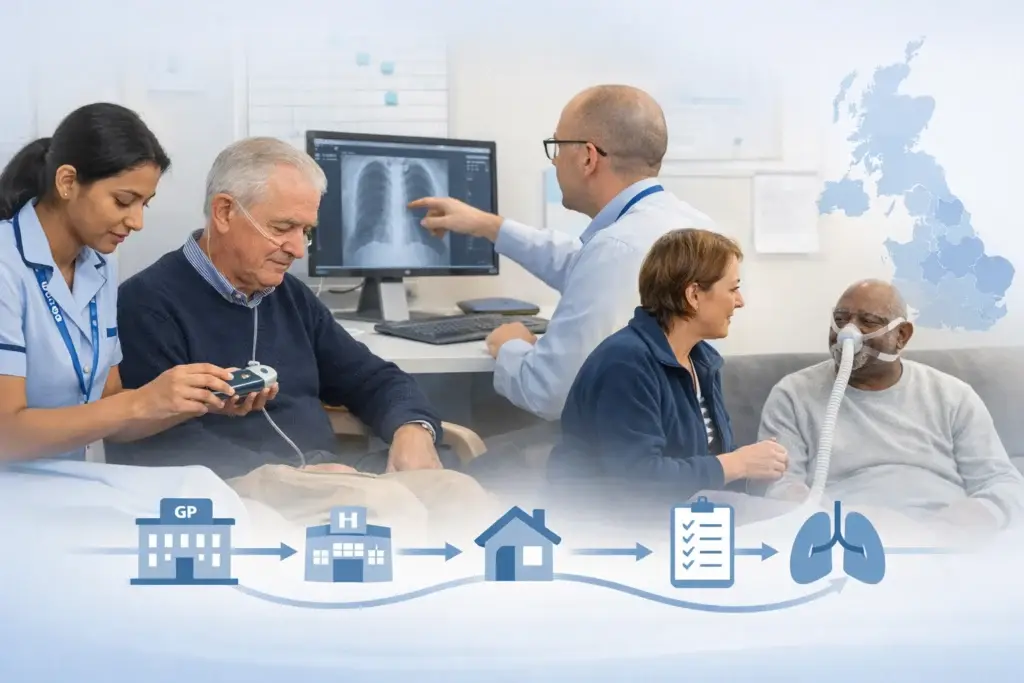
If you're working in respiratory care right now, whether you're leading an ICS, managing a service or supporting NHS partnerships from Life Sciences, you've probably heard the question a dozen times: Are Integrated Care Systems actually making a difference to respiratory pathways?
It's a fair question. The promise of ICSs has been substantial: better coordination, fewer hospital admissions, care closer to home. But promises are one thing. Evidence is another.
So let's look at what's actually happening.
The Evidence Is Real, And Measurable
Integrated Care Systems respiratory pathways aren't just theoretical. There's now a solid base of evidence showing that when chronic care models are implemented properly, outcomes improve.
A systematic review of integrated chronic care models for COPD found hospital admissions reduced by up to 30% when patients received coordinated, multidisciplinary care. That's not marginal. That's meaningful for patients, clinicians and system capacity.

Integrated Care Pathways (ICPs) have also shown positive effects on length of stay and costs without compromising patient outcomes. This has been documented across asthma management, community-acquired pneumonia and lower respiratory tract infections. In practice, what this looks like is fewer avoidable admissions, shorter inpatient stays and better use of community resources.
This matters because respiratory disease accounts for one in five emergency admissions in England. When pathways work, pressure eases across the system.
What's Changed on the Ground
The shift isn't just in the data. It's structural.
Respiratory consultants, specialist nurses, physiotherapists and pharmacists are increasingly working across traditional boundaries. Rather than operating in isolated hospital-based teams, integrated models bring specialists into community settings, primary care networks and patients' homes.
One example: community-based clinics delivered by respiratory specialist nurses, with standardized protocols and direct consultant oversight. These aren't pilots anymore. They're becoming standard practice in several ICSs.
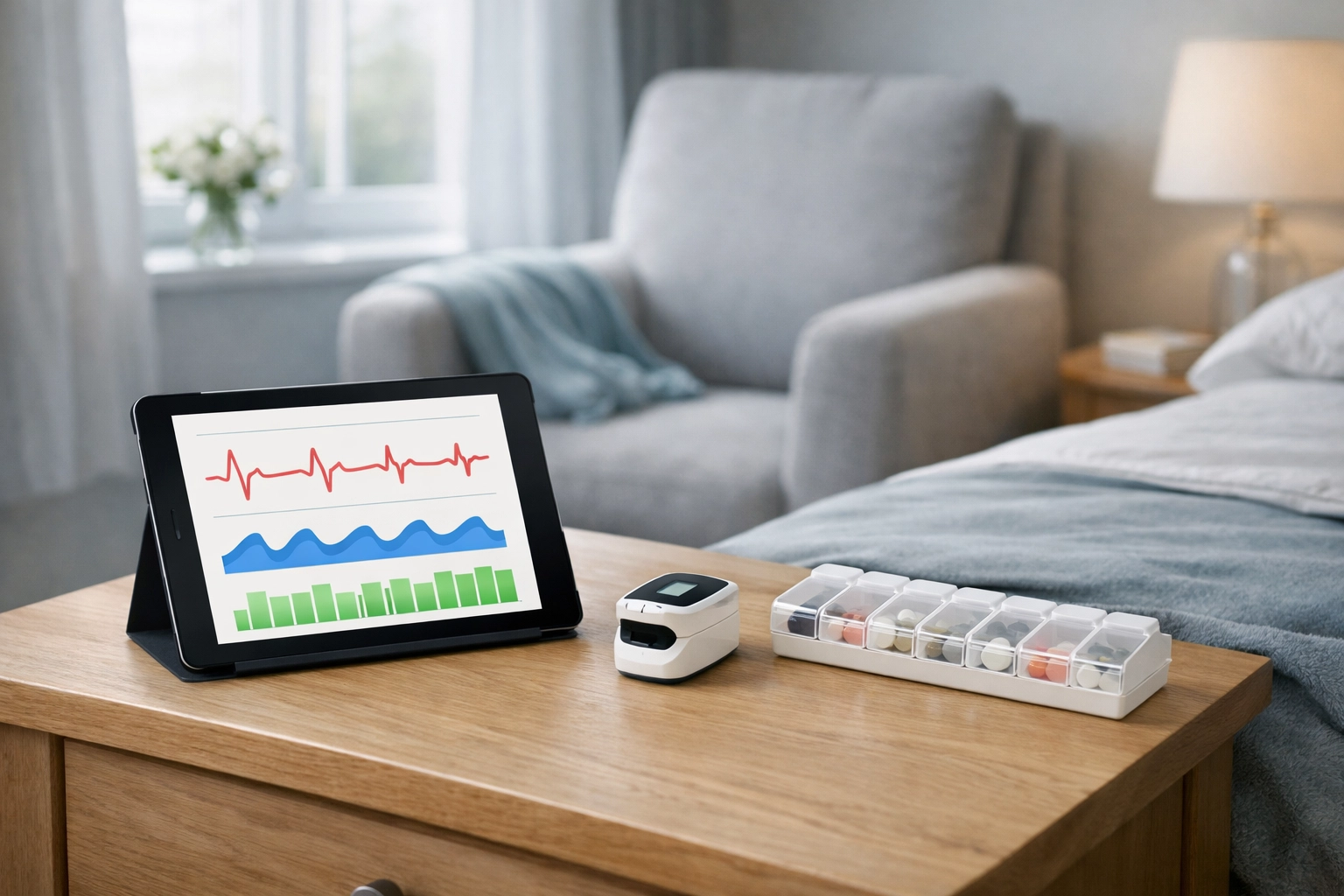
COVID-19 accelerated this transformation significantly. Virtual wards, remote monitoring and digital tools that were being trialled in 2019 became operational necessities in 2020. Many have stayed. NHS England's respiratory strategy for 2026 now embeds these as core components of pathway delivery.

For Life Sciences NHS Partnership UK teams, this shift has created new opportunities for collaboration. Products and services designed for integrated delivery, remote monitoring devices, digital therapeutics, patient-reported outcome tools, are now part of real-world care pathways, not just innovation projects.
But Integration Isn't Complete
Here's where honesty matters.
While the direction is clear and the evidence supportive, comprehensive transformation remains incomplete. The transition from traditional siloed services to genuinely integrated delivery is still developing.
In many areas, respiratory services remain primarily hospital-based. Fewer examples exist of specialist services fully embedded in primary or community care compared to more traditional outpatient models. This isn't a criticism of effort. It's a reflection of how difficult it is to redesign complex systems under sustained pressure.
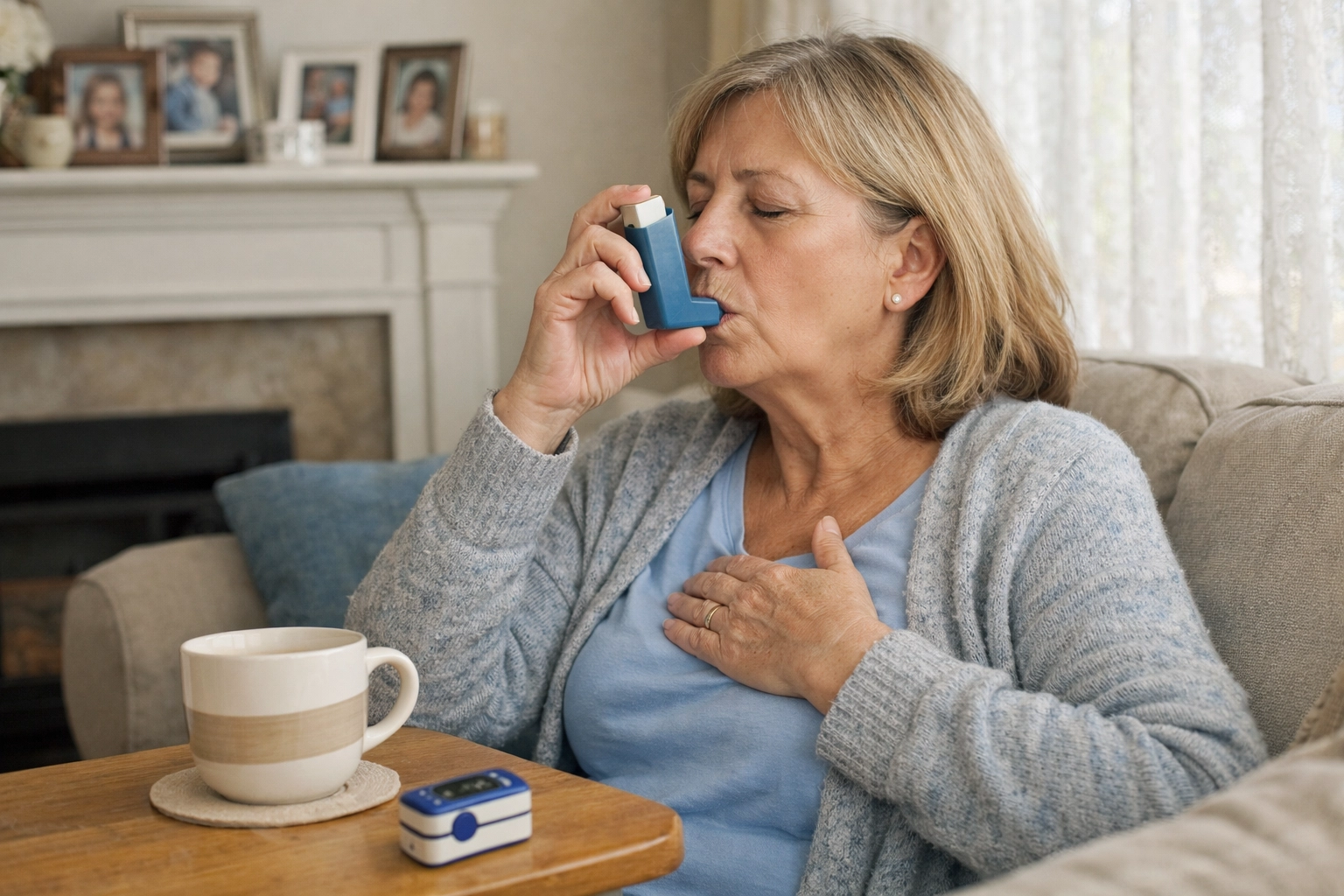
Patient engagement UK healthcare approaches are improving, but they're inconsistent. Some ICSs have co-produced pathways with people living with respiratory conditions. Others are still working from clinician-designed models with patient input added later. The difference matters. Co-production from the start leads to pathways that better reflect how people actually live with breathlessness, exacerbations and daily symptom management.
There's also the question of health inequalities in respiratory care. Integrated pathways work best when they're accessible. But access remains uneven. Areas with high respiratory disease burden, often the same communities facing deprivation, poor housing and air quality issues, don't always have the same level of integrated service development. Addressing this isn't optional. It's central to whether ICSs genuinely transform outcomes or simply improve services for those already well-served.
What This Means for NHS Leaders and ICS Decision-Makers
If you're leading respiratory pathway redesign, the evidence supports integrated models. But implementation requires more than policy commitment.
What patients and clinicians often describe is the gap between strategic intent and day-to-day reality. Integration works when:
- Workforce models support it. Specialist nurses need time, training and protected capacity to work across settings.
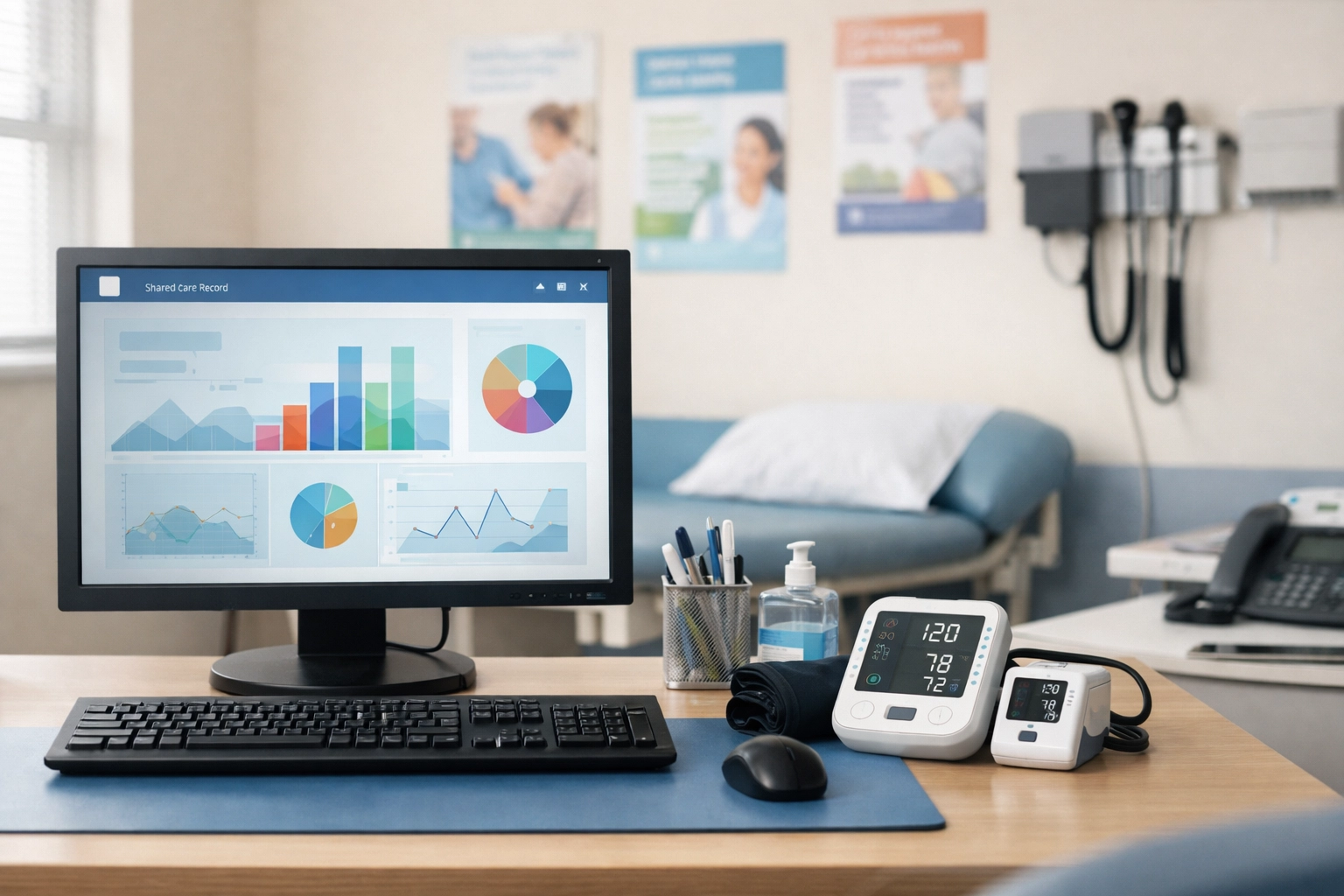
- Digital infrastructure enables it. Shared records, remote monitoring and communication tools aren't optional extras.
- Primary care is resourced for it. PCNs can't deliver integrated respiratory care without dedicated respiratory leads and appropriate funding.
- Accountability is clear. When responsibility for a patient spans hospital, community and primary care, everyone needs to know who holds clinical oversight at each stage.
The evidence base shows integration works best for predictable care trajectories and conditions like COPD, where coordinated pathways can systematically improve outcomes. For more complex or less predictable presentations, integration requires flexibility, not just standardization.
What This Means for Life Sciences
For those working in Life Sciences, integrated pathways represent both opportunity and responsibility.
Opportunity: products designed for integrated delivery, whether diagnostics, devices or digital tools, are more likely to be adopted when they solve real problems within coordinated care models. The shift toward community-based and virtual care creates demand for solutions that work outside hospital settings.
Responsibility: compliant, transparent engagement with ICSs matters more than ever. NHS leaders need partners who understand system pressures, respect procurement processes and contribute to pathway development without pushing products inappropriately.
What this looks like in practice is early dialogue, co-design where appropriate, and evidence generation that addresses the questions ICSs are actually asking: Does this improve outcomes? Does it reduce demand on overstretched services? Does it support health equity?
If you're curious about how Life Sciences and NHS respiratory leadership can work together effectively, this article explores practical approaches to compliant collaboration.
So, Are ICSs Really Transforming Respiratory Pathways?
The truthful answer: yes, but incompletely.
The transformation is genuine. Evidence shows integrated models reduce admissions, improve patient experience and make better use of clinical expertise. Structural changes are underway. Specialists are working differently. Digital tools have moved from trials to operational care.
But the scale and pace of transformation remain variable. Some ICSs are further ahead than others. Some patient groups benefit more than others. And the system is still under enormous pressure, which affects what's possible.
What's clear is that integrated respiratory pathways aren't theoretical anymore. They're happening. The question isn't whether they work: it's how quickly and equitably they can be implemented across the system.
Join the Conversation
The Respiratory Network exists to support exactly these conversations: bringing together NHS leaders, clinicians, people with lived experience and Life Sciences professionals to share insight, challenge assumptions and learn from what's actually working on the ground.
If you're navigating respiratory pathway transformation in your ICS, struggling with implementation challenges, or want to understand how to engage meaningfully with integrated care models, become a member and connect with others doing the same work.
We're also hosting our 2026 Roundtable, where leaders across the respiratory system will discuss exactly these questions. It's not a conference. It's a working conversation for people who want honest, practical dialogue about what transformation actually looks like.
Because the truth about ICSs and respiratory pathways isn't simple. But it's worth understanding properly.
References:
-
Kruis AL, et al. Integrated disease management interventions for patients with chronic obstructive pulmonary disease. Cochrane Database Syst Rev. 2013. Available at NCBI
-
NHS England. Delivery plan for recovering urgent and emergency care services. 2023. Available at NHS England
-
Rotter T, et al. Clinical pathways: effects on professional practice, patient outcomes, length of stay and hospital costs. Cochrane Database Syst Rev. 2010.

Responses