

Lived Experience: The Secret to Fixing Asthma Care UK

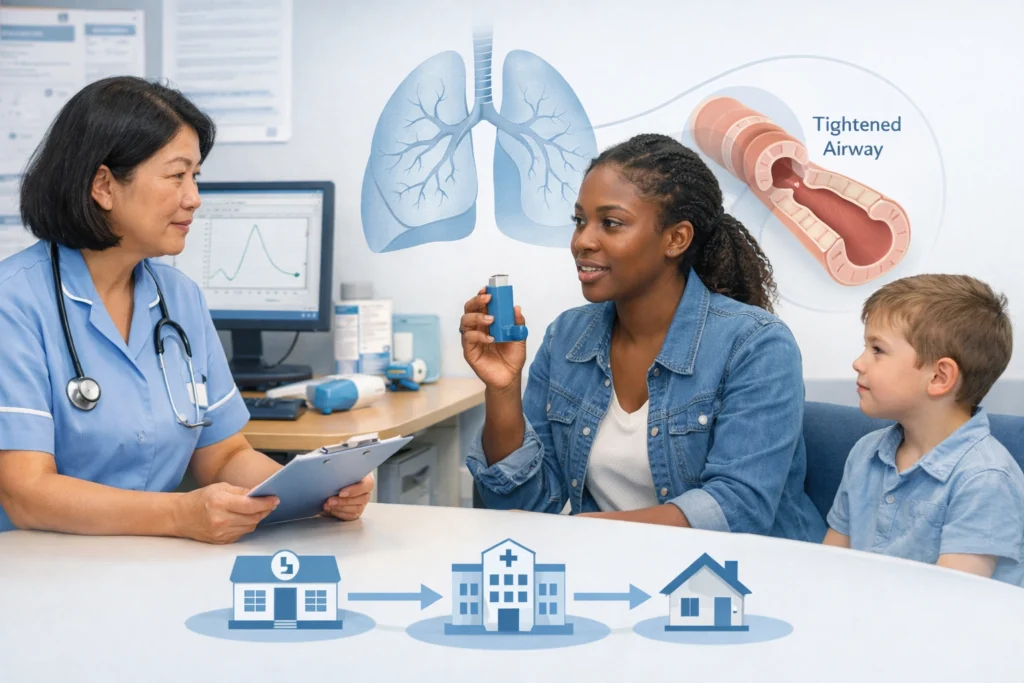
The gap between a clinical guideline and a patient’s Tuesday morning is where asthma care either succeeds or fails. In the UK, we are fortunate to have some of the most robust clinical frameworks and research capabilities in the world. Yet, despite significant investment and policy focus, outcomes for people living with asthma often remain stagnant.
The missing piece is not a new molecule or a more complex diagnostic tool. It is the integration of "lived experience": the granular, day-to-day reality of those navigating the system: into the heart of service design and Life Sciences engagement. When we treat patient engagement in healthcare as a tick-box exercise rather than a strategic asset, we miss the insights that actually fix broken pathways.
The Disconnect Between Policy and Practice
In practice, there is often a visible friction between how a service is designed to work and how it is actually experienced. National strategies focus on "population health" and "pathway efficiency," but what this looks like on the ground is often far more nuanced.
Research into asthma care UK reveals a recurring theme: the "reluctance to refer." Many patients with severe symptoms describe a landscape where primary care clinicians, under immense pressure, may struggle to identify when a patient has moved beyond standard management. From the patient’s perspective, this feels like not being taken seriously. From the clinician’s perspective, it is a management challenge within a constrained system.
When lived experience is ignored, the system defaults to "suboptimal care." What patients and clinicians often describe is a cycle of crisis management rather than proactive stability. For the NHS, this results in avoidable emergency attendances; for the individual, it results in a loss of confidence in the system and their own health.

The Five Pillars of Patient-Centric Care
Data from qualitative analyses suggests that patients value five critical elements in their care journey. These are not clinical metrics, but they are the drivers of clinical outcomes:
- Communication: Not just the delivery of information, but the feeling of being heard.
- Attitude of Staff: Reassurance and the demonstration of specialist knowledge.
- Convenience: The reality of geographic barriers: some patients currently travel hours just for routine blood tests.
- Multidisciplinary Team (MDT) Support: Access to a variety of specialists who talk to one another.
- Continuity of Care: Knowing the person at the other end of the phone understands their history.
What this looks like on the ground is a shift from "treating a condition" to "supporting a person." When a patient feels that their care team is knowledgeable and accessible, their adherence to management plans improves. Conversely, if a patient feels they must "fight" for a referral or a review, the relationship with the healthcare provider becomes adversarial rather than collaborative.
The Economic and Clinical Cost of Silence
Ignoring the lived experience is not just a moral oversight; it is an economic one. Consider the impact of a patient whose asthma is poorly controlled due to inadequate education or a lack of a personalized action plan.
Research has shown that suboptimal care can lead to multiple avoidable A&E attendances over a five-year period. These are not just statistics; they represent a significant drain on NHS resources and a failure in pathway excellence. By the time a patient reaches the emergency department, the system has already missed multiple opportunities to intervene.

For Life Sciences directors, understanding these gaps is essential for meaningful Life Sciences engagement UK. If a product is designed without understanding the barriers to access: such as geographic distance to severe asthma centres or the complexities of primary care referrals: then the innovation will never reach its full potential.
Bridging the Gap Through Co-production
True patient engagement in healthcare UK requires co-production. This means involving people with lived experience at the very start of the pathway design process, not just at the end to "validate" a pre-existing plan.
In practice, this involves:
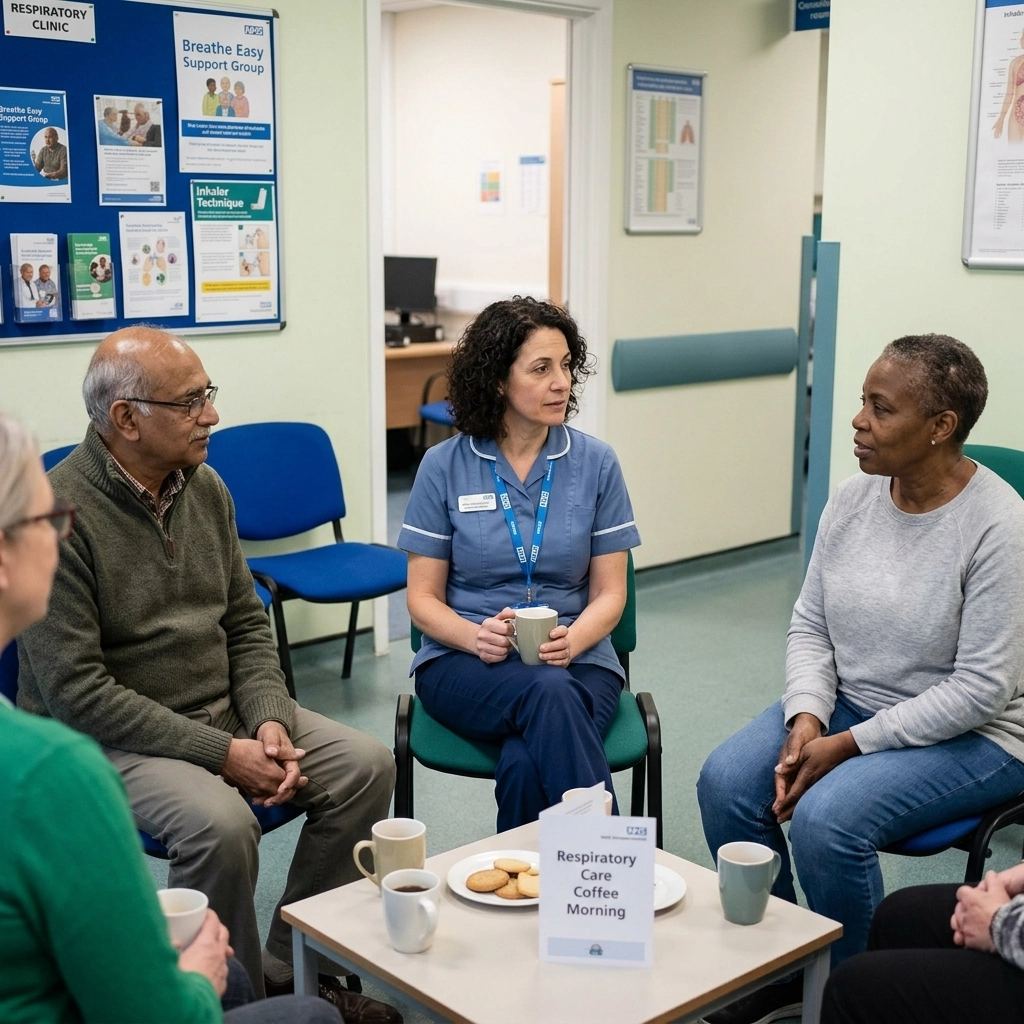
- Expert Panels: Bringing patients and clinicians together to identify friction points in the diagnostic journey.
- Service Mapping: Using patient stories to identify where geographic or socioeconomic barriers prevent access to specialist care.
- Language Alignment: Ensuring that clinical instructions and educational materials resonate with the reality of the patient’s life, rather than being laden with jargon.
What patients and clinicians often describe as "success" is when the system feels invisible: when the transition from primary to secondary care is seamless, and when the patient feels empowered to manage their own health through a clear, personalized action plan.
The Role of The Respiratory Network
At The Respiratory Network, we believe that the only way to achieve pathway innovation is to facilitate better conversations. We sit at the intersection of the NHS, Life Sciences, and those with lived experience. Our goal is to ensure that the insights gained from the front line of asthma care UK are translated into actionable strategies for clinical leads and industry partners.
By focusing on the "lived experience," we can move away from system-centric care and toward person-centric care. This shift is the secret to fixing the bottlenecks that currently hamper respiratory health. It allows for a more efficient use of the workforce, reduces the burden on emergency services, and ultimately leads to more stable, healthier lives for millions of people.
Moving Toward a Collaborative Future
The challenge for the next decade of respiratory care is to integrate these qualitative insights into the quantitative frameworks of the NHS. It requires a level of humility from the system: an admission that clinical expertise and lived experience are two sides of the same coin.
If you are an NHS clinical lead looking to redesign your pathway, or a Life Sciences director seeking to understand the real-world barriers to care, the answer lies in listening.
Join the Conversation
We are committed to shaping the future of respiratory care through collaboration. We invite patient advocates, clinicians, and industry leaders to join us in these vital discussions.
Our next major opportunity for this collaborative effort is our upcoming Round Table event at The King’s Fund on the 29th of April. This is a dedicated space to move beyond theory and into practical solutions for asthma care UK.
To stay informed about our latest insights and events, we encourage you to:
- Follow our updates on social media to see "what this looks like on the ground" in real-time.
By working together, we can ensure that lived experience is no longer a "secret," but the foundation of every respiratory pathway in the UK.
Medical Disclaimer: The information provided in this post is for informational and educational purposes only and does not constitute medical advice, diagnosis, or treatment. Always seek the advice of your physician or other qualified health provider with any questions you may have regarding a medical condition.
Category: The Patient Voice
Tags: Asthma Care UK; Patient Engagement UK; Lived Experience; Respiratory Pathway; NHS Strategy; Life Sciences Engagement UK; Co-production.
Responses