

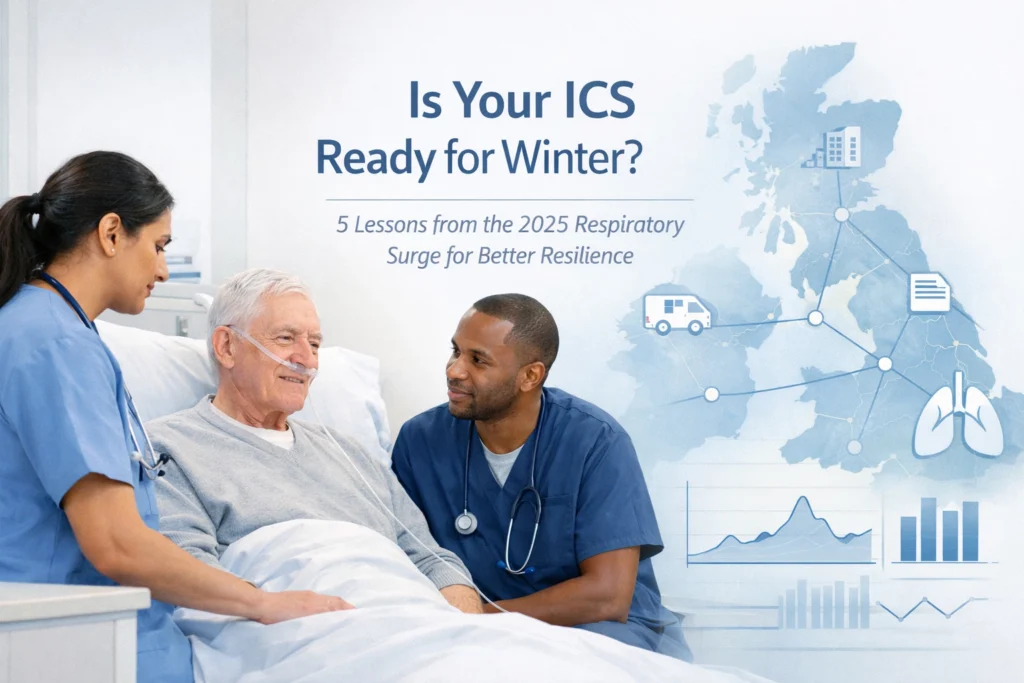
Is Your ICS Ready for Winter? 5 Lessons from the 2025 Respiratory Surge for Better Resilience

Medical Disclaimer: This article provides general information about respiratory care and is not a substitute for professional medical advice. If you are experiencing severe breathlessness, chest tightness, or symptoms that are not relieved by your usual treatment, seek urgent medical attention. For questions about your care, treatment or inhaler use, please contact your GP, asthma nurse, or healthcare provider.
Winter 2025 arrived early for UK respiratory services.
By mid-November, respiratory admissions were already tracking 18% above the five-year average. Emergency departments saw queues of patients struggling to breathe. Community respiratory teams were running triage over the phone because clinics were full. And across Integrated Care Systems, the question was the same: why weren't we better prepared?
Winter pressure isn't new. But last year exposed something more structural than seasonal demand. It showed where resilience had been assumed rather than built. Where pathways worked on paper but fractured under volume. Where patients fell through gaps that only became visible when the system was stretched.
The 2026 winter planning cycle is already underway. For ICS leaders, respiratory networks, and anyone responsible for keeping people breathing through the colder months, the question isn't whether demand will rise. It's whether the system can bend without breaking.
Here are five lessons from last year that are worth carrying forward.
Lesson 1: Capacity Isn't Just Beds , It's Diagnostic Access
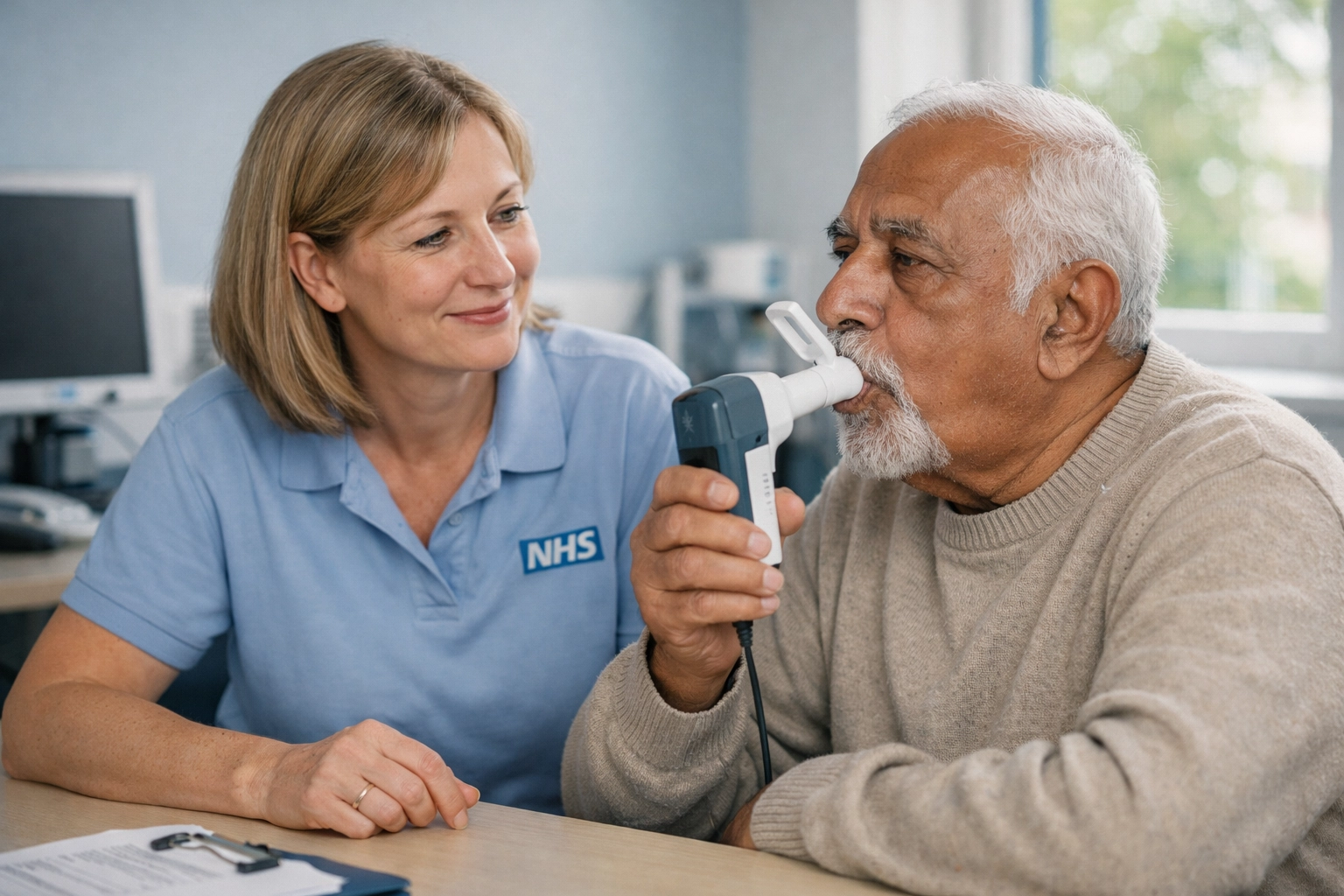
When respiratory admissions spiked in December 2025, the bottleneck wasn't hospital beds. It was spirometry. Patients presented to A&E because they couldn't get a diagnosis in primary care. GPs referred to secondary care because community diagnostic capacity had been absorbed by elective recovery. And respiratory teams admitted patients not because they were acutely unwell, but because there was no alternative pathway to confirm what was happening.
In practice, this meant that people with undiagnosed COPD were treated as asthma exacerbations. Patients with bronchiectasis were managed as community-acquired pneumonia. And across the board, treatment decisions were being made without the diagnostic clarity that spirometry provides.
What this looks like on the ground is straightforward: if you can't confirm the condition, you can't stratify risk. And if you can't stratify risk, you default to the safest option, which is often admission.
The fix isn't complex. It's about protecting diagnostic capacity during winter planning in the same way we protect bed capacity. That includes ringfencing spirometry slots for acute referrals, ensuring community hubs remain accessible, and making sure that patients who present in distress aren't sent home without clarity about what's causing it.
Lesson 2: Virtual Wards Work , But Only If Patients Know They Exist
Virtual ward models proved their value last winter. Patients were monitored at home with remote oximetry, daily clinical contact, and escalation protocols that prevented avoidable admissions. In some ICSs, virtual wards reduced respiratory bed days by over 20%.
But uptake was patchy. In areas where virtual wards were well established, patients and families understood the offer. In newer systems, the concept felt uncertain. Patients worried that staying at home meant being left alone. GPs were unclear about referral criteria. And some respiratory teams defaulted to admission because it felt more definitive.
What patients and clinicians often describe is a gap between what virtual wards can do and what people believe they can do. The model works when it's trusted. And trust is built through familiarity, clear communication, and visible clinical oversight.
For 2026, the lesson is simple: virtual wards need to be socialised before winter arrives. That means engagement with primary care, patient-facing materials that explain how monitoring works, and early adoption in September and October so that referral pathways are familiar by the time demand peaks.

Lesson 3: Self-Management Falls Apart When Patients Are Anxious
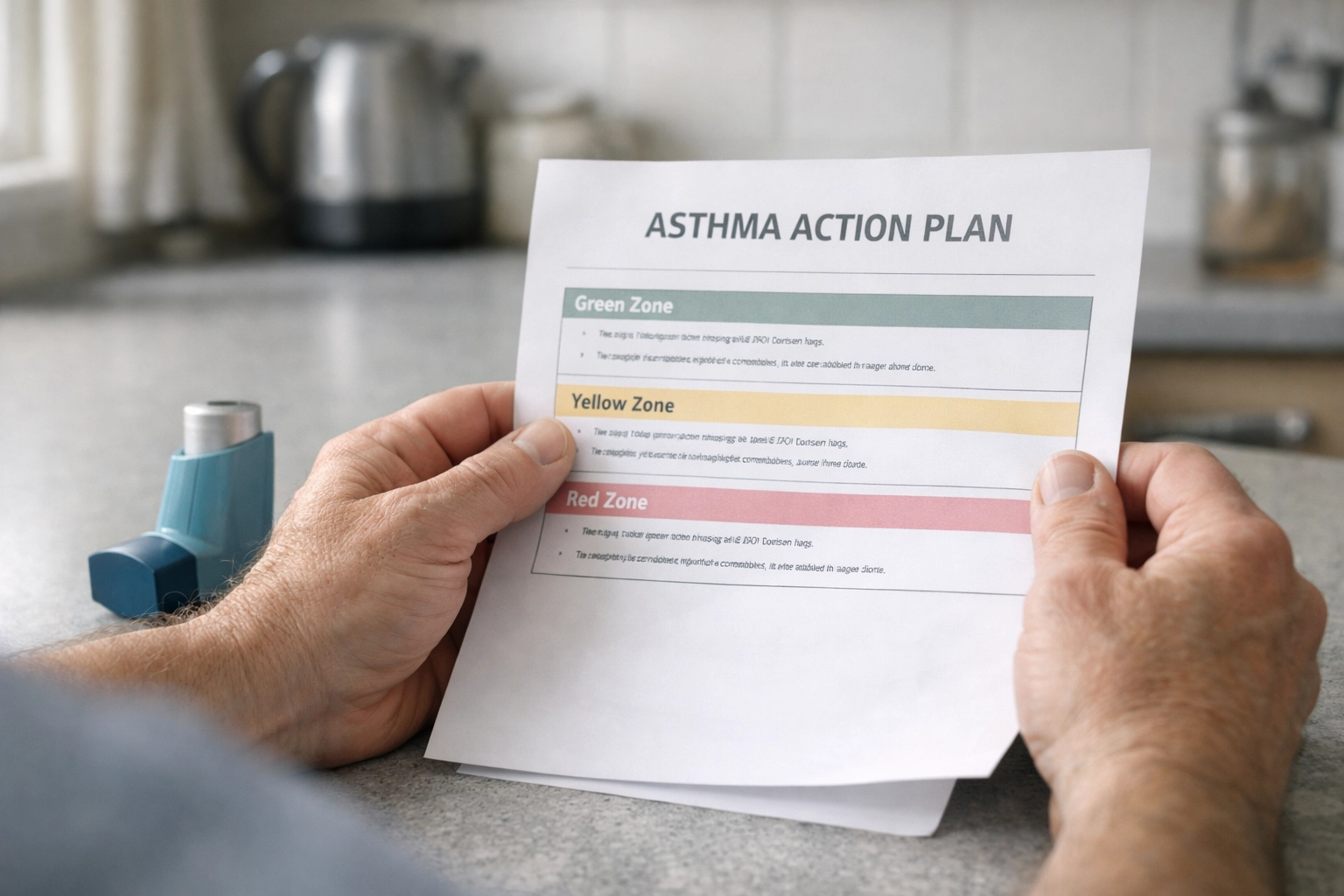
Self-management plans are a cornerstone of respiratory care. They empower patients to recognise worsening symptoms, adjust treatment, and seek help early. But last winter, many patients bypassed their plans entirely and went straight to emergency services.
Why? Because anxiety overrides planning. When someone is breathless and scared, they don't reach for a written care plan. They reach for 999.
This isn't a failure of patient education. It's a recognition that self-management works best when patients feel supported, not alone. During winter, when respiratory infections circulate, symptoms worsen quickly, and GP appointments are harder to access, the psychological safety net becomes as important as the clinical one.
What this looks like in practice is ensuring that self-management plans include a clear, accessible contact point. Not just "call your GP." A direct number. A respiratory helpline. A community team that can triage over the phone. Something that reassures patients that there is help between home and hospital.
Some ICSs piloted respiratory hotlines last winter, staffed by specialist nurses who could assess symptoms, adjust inhalers, and arrange same-day reviews when needed. The impact wasn't just clinical. It was psychological. Patients felt less alone.
Lesson 4: Data Lags Reality , And Decisions Can't Wait
Last winter, respiratory leads were often making decisions based on data from two weeks prior. Admission trends, diagnostic backlogs, and community capacity were all reported retrospectively. By the time the data showed pressure building, the surge had already happened.
In a stable system, this lag is manageable. In winter, it's disabling. It means that by the time you spot the problem, you're already firefighting.
What's needed is real-time visibility. Not dashboards that update monthly. Daily snapshots of spirometry waiting times, virtual ward occupancy, community referral volumes, and A&E respiratory attendances. The kind of intelligence that allows ICS leads to act before the system tips.
Some areas are already building this. Simple daily reports pulled from existing systems. WhatsApp groups for rapid escalation. Weekly huddles between primary, secondary, and community respiratory teams to share what they're seeing on the ground.
It's not about perfect data. It's about timely insight that allows for early intervention.
Lesson 5: Collaboration Breaks Down When Everyone Is Overwhelmed
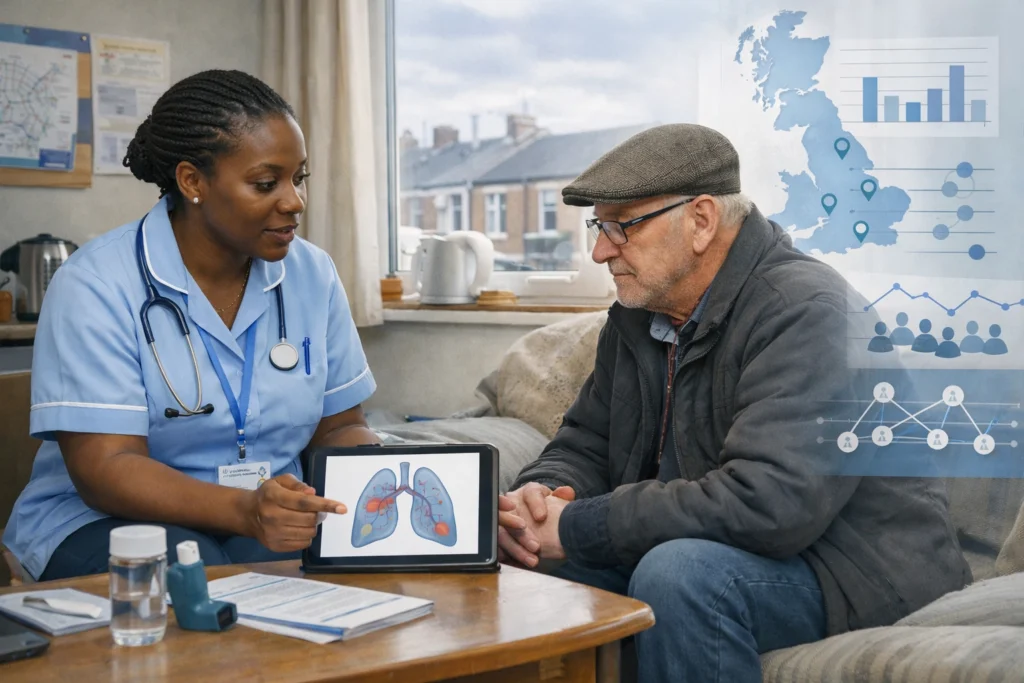
The most consistent observation from winter 2025 was that collaboration became harder under pressure. Primary care stopped referring to community services because waits were too long. Community teams stopped accepting referrals because caseloads were unmanageable. Secondary care stopped discharging to virtual wards because follow-up felt uncertain.
What started as integrated pathways fragmented into silos. Not because anyone wanted it. But because under strain, people protect what they can control.
This is where resilience truly lives. Not in individual services staying afloat, but in the system holding together. And that requires deliberate effort. Regular check-ins between teams. Shared escalation thresholds. Agreed principles about what gets prioritised when capacity is tight.
The ICSs that held up best last winter were the ones where respiratory leads across settings knew each other, trusted each other, and had a shared plan for what to do when things got difficult. That level of relationship doesn't emerge in December. It's built across the year.
What This Means for 2026
Winter planning is underway. For some ICSs, it's an update of last year's response. For others, it's a chance to build something more resilient.
The five lessons above aren't exhaustive, but they are practical. They point to areas where small changes can make meaningful differences. Protecting diagnostic access. Familiarising patients and clinicians with virtual wards. Strengthening the psychological safety of self-management. Improving the timeliness of data. And ensuring that collaboration is maintained under pressure.
None of this prevents winter demand. But it changes how the system responds to it.
Full Medical Disclaimer:
This article is intended for general informational and educational purposes only and does not constitute medical advice, diagnosis, or treatment. The content provided is based on current clinical guidelines and evidence available at the time of writing, but individual circumstances vary significantly.
Do not use this article to self-diagnose or change your treatment without consulting a qualified healthcare professional. Respiratory conditions are serious and require personalised medical assessment and ongoing monitoring by a GP, asthma nurse, respiratory specialist, or other qualified healthcare provider.
If you are experiencing any of the following, seek urgent medical attention immediately:
- Severe breathlessness or difficulty speaking in full sentences
- Blue lips or fingernails
- Feeling exhausted or unable to manage symptoms
- No improvement after using your reliever inhaler
- Symptoms rapidly worsening
For non-urgent concerns about your treatment, inhaler technique, or medication use, please contact your GP surgery, asthma nurse, or NHS 111 for advice.
The Respiratory Network does not provide clinical services or individual medical advice. Always follow the specific treatment plan provided by your healthcare team.
Join the Conversation
The Respiratory Network exists to bring together the people who are working to improve respiratory care across the UK. NHS clinical leads, patient advocates, Life Sciences partners, and everyone in between.
If you're involved in winter planning, pathway redesign, or respiratory resilience, join the network and connect with others doing the same work. We also host regular round table events where these conversations happen face to face : find out more here.
Follow us for updates, insights, and the kind of practical content that helps make sense of what's happening on the ground. Because winter will come. And when it does, we'll be better prepared together.
Responses