

The “Silent” Symptoms: How to Engage Undiagnosed Patients in the UK’s Most Deprived Communities

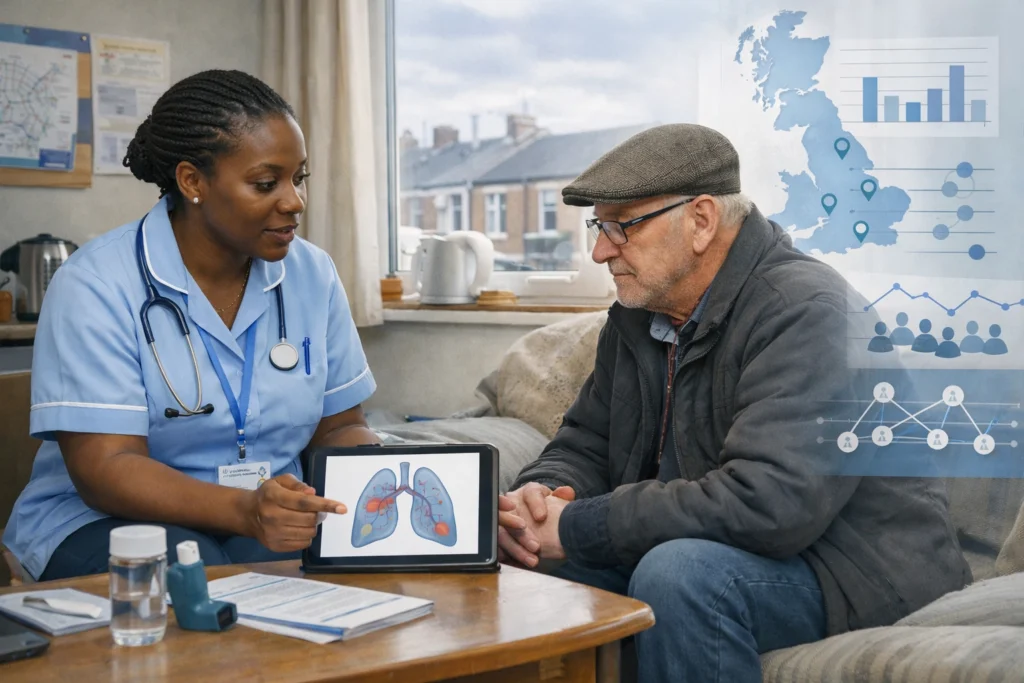
Medical Disclaimer: This article provides general information about respiratory care and is not a substitute for professional medical advice. If you are experiencing severe breathlessness, chest tightness, or symptoms that are not relieved by your usual treatment, seek urgent medical attention. For questions about your care, treatment or inhaler use, please contact your GP, asthma nurse, or healthcare provider.
There's a well-documented problem sitting in the gap between community health and clinical diagnosis: people living with respiratory conditions they don't know they have yet. In the UK's most deprived communities, that gap is wider, and the consequences are more severe.
This isn't about raising alarm. It's about recognising that symptoms like persistent breathlessness, a morning cough that won't shift, or fatigue that feels like it's always there often don't trigger the urgent response they deserve. For many people, these symptoms blend into daily life. They become normal. And by the time someone presents to their GP or A&E, what could have been managed early has progressed into something far harder to control.

What We Mean by "Silent"
The term "silent symptoms" gets used often in cardiovascular care. Research shows that up to one in five heart attacks are silent: meaning people don't experience the crushing chest pain we associate with a cardiac event. Instead, they might feel mild indigestion, jaw discomfort, unexplained fatigue, or nothing at all until weeks later when damage is discovered during routine testing.
Respiratory conditions present differently, but the principle is the same. Early-stage COPD, poorly controlled asthma, or undiagnosed bronchiectasis don't always arrive with dramatic breathlessness or acute exacerbation. They build quietly. A wheeze here. Breathlessness after climbing stairs. A cough that's been around so long it's just part of the routine.
What patients and clinicians often describe is this: symptoms don't feel urgent enough to justify taking time off work, booking an appointment, or asking for help. And in communities where access to healthcare is already harder: where appointments are scarce, transport is limited, or trust in the system has eroded: those symptoms stay silent even longer.
Why Deprivation Amplifies the Problem
Deprivation doesn't just mean lower income. It's a cluster of factors: poorer housing, higher smoking rates, exposure to pollution, limited health literacy, and less access to preventative care. All of these increase both the risk of developing respiratory disease and the likelihood that it goes undiagnosed until crisis point.
In practice, this looks like:
- People living in damp, overcrowded housing where mould and poor ventilation exacerbate respiratory symptoms
- High rates of smoking and vaping in areas where smoking cessation services are underfunded or difficult to access
- Communities where respiratory disease is so common it's normalised: "everyone round here has a chest"
- Lower engagement with primary care, often because of previous negative experiences or systemic barriers like appointment availability

When someone finally does present, they're often presenting late. Emergency admissions for asthma and COPD are significantly higher in deprived areas, and outcomes are worse. This isn't because people don't care. It's because the system hasn't met them where they are.
The Challenge of Engagement
Engaging undiagnosed patients requires more than awareness campaigns. It requires trust, accessibility, and a shift in how we think about early identification.
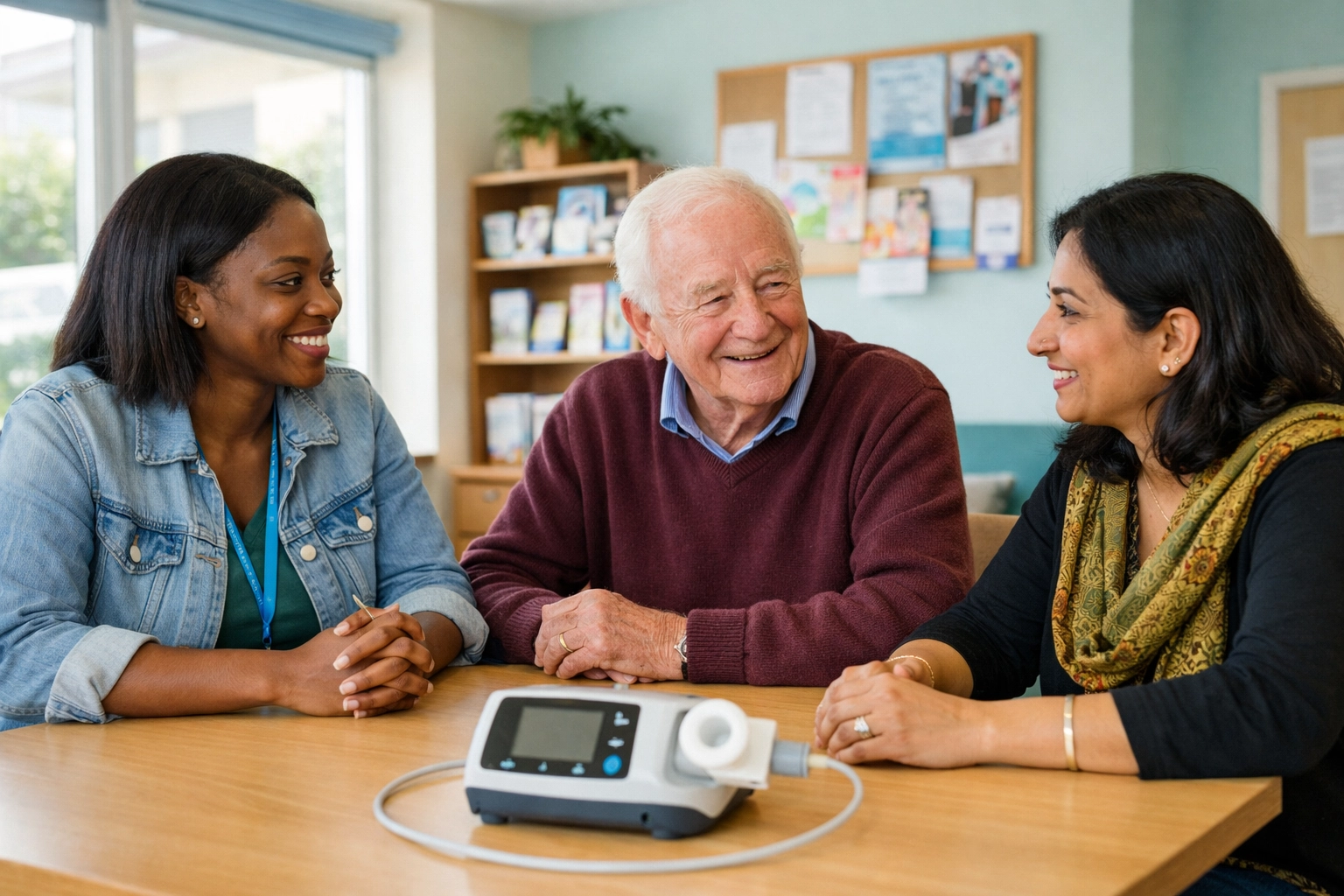
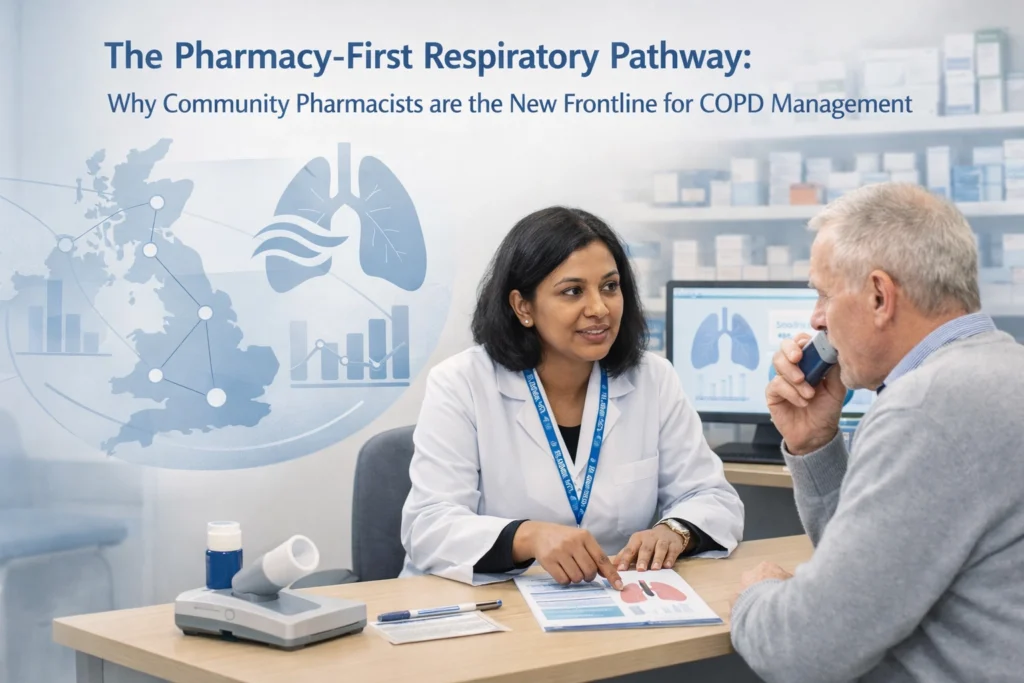
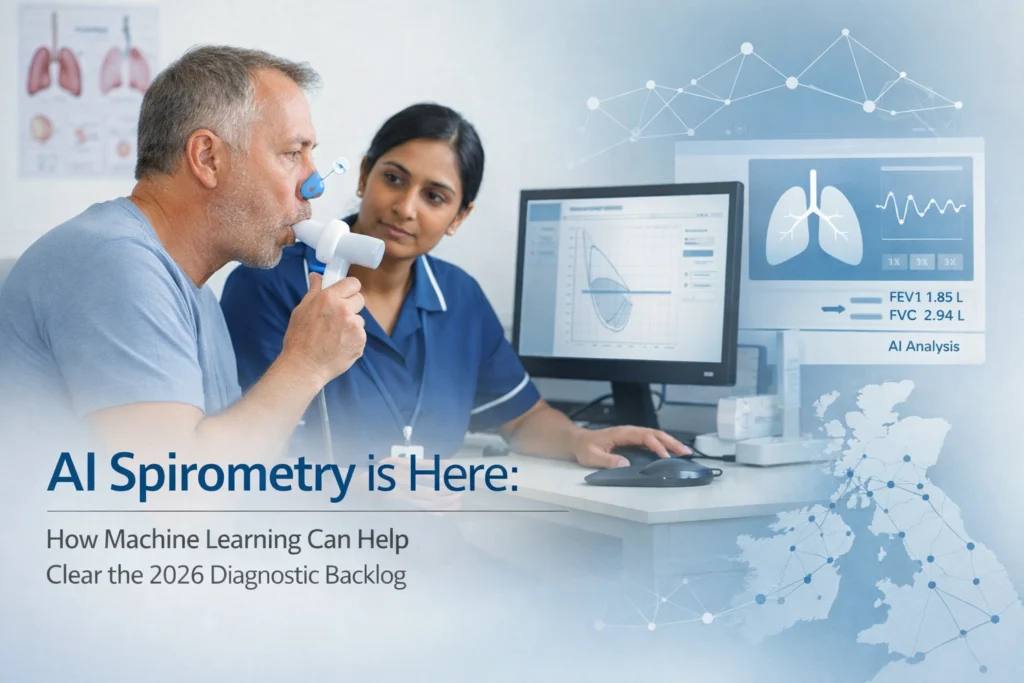
Targeted screening initiatives have shown promise: mobile spirometry units, case-finding in pharmacies, and opportunistic testing in community settings. But these efforts often depend on short-term funding or pilot programmes that don't scale. And even when screening is available, uptake in deprived communities can be lower unless the offer is embedded in spaces people already trust.
What this looks like on the ground is healthcare reaching into the community, rather than expecting the community to reach into healthcare. That might mean:
- Screening at community centres, libraries, or housing associations rather than GP surgeries
- Training community health workers who live in the area and understand its barriers
- Using peer networks and patient advocates who can speak from lived experience
- Simplifying the pathway from "test done" to "results explained" to "support in place"
It also means addressing the structural issues that make engagement harder: inflexible appointment systems, lack of interpreters, digital exclusion, and the expectation that patients will navigate complex pathways alone.
Lessons from Cardiovascular and Diabetes Care
Other long-term condition pathways offer useful models. NHS Health Checks, for example, were designed to identify undiagnosed cardiovascular disease and diabetes in at-risk populations. While uptake has been variable, the model demonstrates that systematic, community-based screening can work when adequately resourced.
Similarly, diabetes prevention programmes have shown that people are more likely to engage when services are delivered locally, flexibly, and with cultural sensitivity. The same principles apply to respiratory care. A one-size-fits-all approach won't work. What engages someone in rural Cornwall won't necessarily resonate in inner-city Birmingham.
For respiratory services, this might mean working more closely with housing teams, environmental health officers, and social prescribers who already have relationships with people at highest risk. It might mean embedding spirometry or peak flow testing in existing services: benefits appointments, smoking cessation clinics, or even food banks.
The Role of Life Sciences and Innovation
Industry has a role here too, though it's not about marketing products. It's about supporting infrastructure. Mobile spirometry devices, point-of-care testing, and digital triage tools can all help bring diagnosis closer to where people live. But only if they're implemented alongside genuine community engagement, not as replacements for it.
What patients and clinicians often describe is technology that arrives without training, without integration, and without follow-up. The result is good ideas sitting unused because they weren't designed with the system's capacity in mind.
Better collaboration means Life Sciences asking: how can this tool fit into an overstretched community team's workflow? How do we support implementation beyond the pilot phase? And crucially, how do we ensure that innovation doesn't just reach the easiest-to-reach populations?
What Success Looks Like
Success isn't just more diagnoses. It's earlier diagnoses, made in a way that leads to sustained engagement and better outcomes. That means:
- Patients understanding what their diagnosis means and feeling supported to manage it
- Clinicians having the capacity to follow up and adjust care as needed
- Pathways that account for social and economic barriers, not just clinical ones
- Data that tracks not just diagnosis rates but also long-term outcomes and inequalities
In the most effective systems, respiratory care is woven into community life. People know where to go if they're worried. Trusted voices in the community can direct them to appropriate support. And when they do engage, the system is ready to respond with clarity, compassion, and continuity.
Moving the Conversation Forward
There's no single fix here. Addressing undiagnosed respiratory disease in deprived communities requires sustained investment, cross-sector collaboration, and a willingness to redesign services around the people who need them most.
That's exactly the kind of conversation The Respiratory Network was built to support. If you're working on community engagement, pathway redesign, or population health improvement, you're not alone. Join a network of NHS leaders, clinicians, patient advocates, and Life Sciences professionals who are working through these challenges together.
Register here to become part of the conversation. Or if you're ready to collaborate in person, our next Round Table event is the place to connect with others tackling the same problems you are.
Because silent symptoms don't have to stay silent. We just need to listen differently.
Full Medical Disclaimer:
This article is intended for general informational and educational purposes only and does not constitute medical advice, diagnosis, or treatment. The content provided is based on current clinical guidelines and evidence available at the time of writing, but individual circumstances vary significantly.
Do not use this article to self-diagnose or change your treatment without consulting a qualified healthcare professional. Respiratory conditions are serious and require personalised medical assessment and ongoing monitoring by a GP, asthma nurse, respiratory specialist, or other qualified healthcare provider.
If you are experiencing any of the following, seek urgent medical attention immediately:
- Severe breathlessness or difficulty speaking in full sentences
- Blue lips or fingernails
- Feeling exhausted or unable to manage symptoms
- No improvement after using your reliever inhaler
- Symptoms rapidly worsening
For non-urgent concerns about your treatment, inhaler technique, or medication use, please contact your GP surgery, asthma nurse, or NHS 111 for advice.
The Respiratory Network does not provide clinical services or individual medical advice. Always follow the specific treatment plan provided by your healthcare team.
Responses