

Six Feet Apart: Why the Rules for Cystic Fibrosis Are Different (and How to Support the Family)

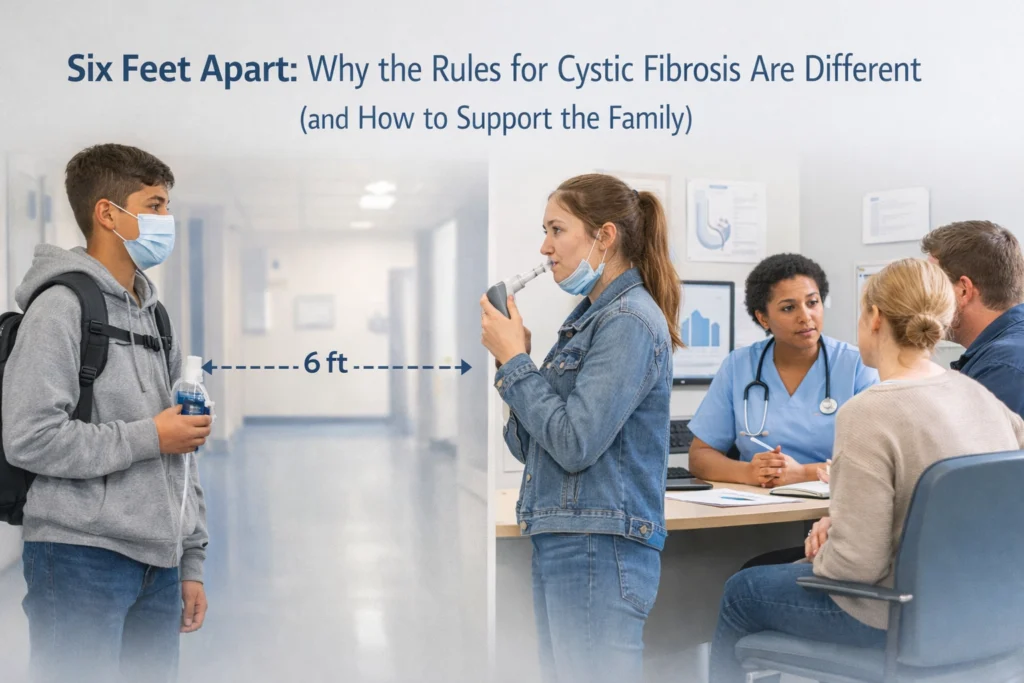
In the world of respiratory medicine, we often talk about the importance of community and shared experience. However, for those living with Cystic Fibrosis (CF), the community looks fundamentally different from any other patient group. While most support groups encourage huddling together, CF clinics and social circles are defined by a strict, non-negotiable distance: the six-foot rule.
Understanding why this rule exists, and the profound impact it has on the respiratory pathway and family life, is essential for anyone working within healthcare networking in the UK or life sciences engagement. It is a clinical necessity that creates a unique social paradox: being part of a community that can never physically meet.
The Clinical Necessity: Why Six Feet?
The "six-foot rule" is not a suggestion; it is a life-saving infection control measure. For people with CF, the primary threat to their lung health often comes from other people with the same condition. This is due to a phenomenon known as cross-infection.
Patients with CF are particularly susceptible to specific bacteria that, while often harmless to the general population, can be devastating to those with compromised lung function. Bacteria such as Burkholderia cepacia complex and Pseudomonas aeruginosa are the primary concerns. These pathogens are notoriously difficult to treat and are often resistant to standard treatments.
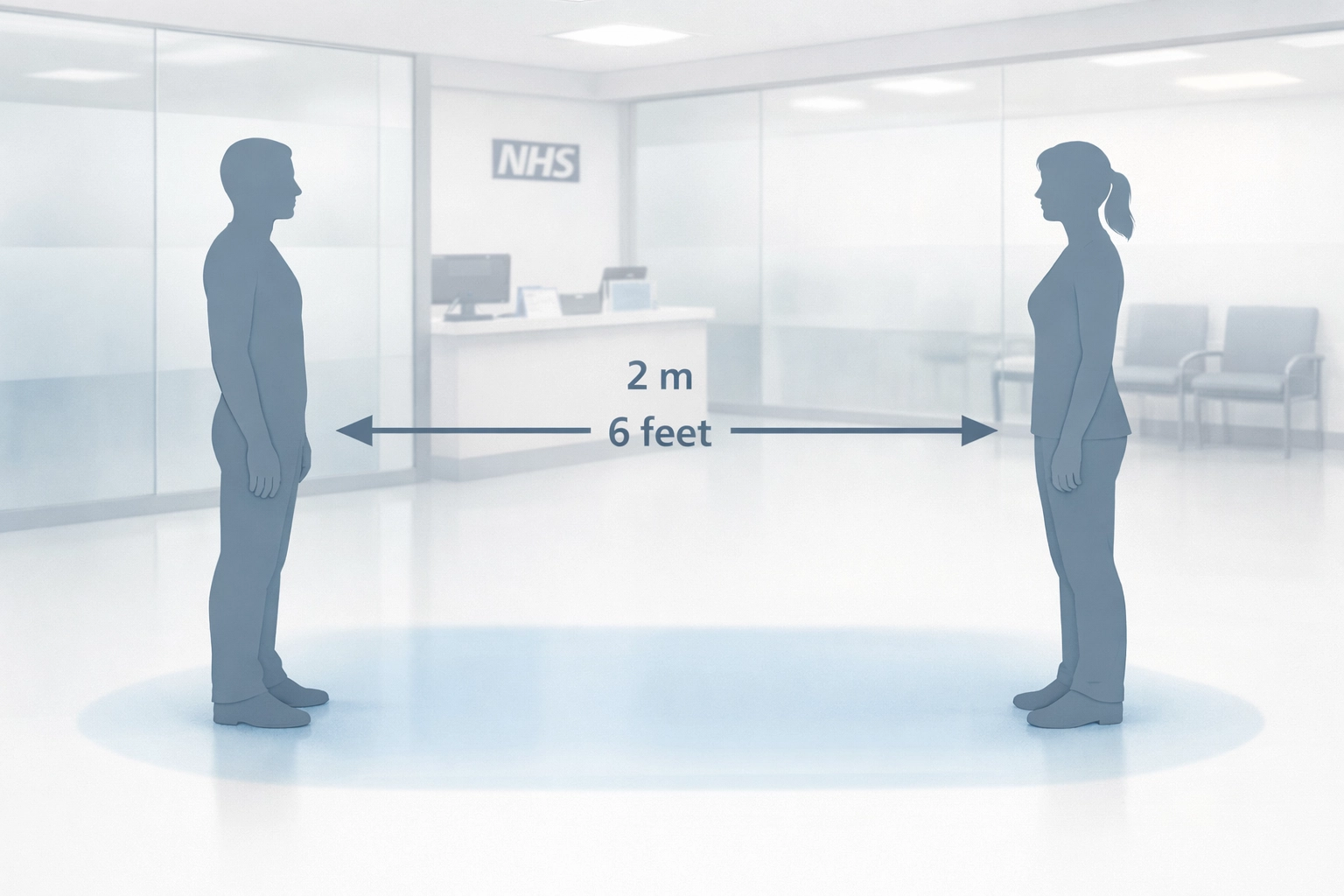
Clinical research has shown that these bacteria can be transmitted through "large-particle droplets" produced when an individual coughs or sneezes. These droplets generally travel no further than six feet (approximately two meters) before falling to the ground. By maintaining this distance, the risk of one person with CF passing a treatment-resistant strain to another is significantly reduced.
The evidence for this rule is stark. Before the implementation of the 2003 Cystic Fibrosis Foundation infection control guidelines, cross-infection rates were a major driver of mortality. For example, when B. cepacia was first identified as a major threat in the 1980s, infection rates in some cohorts were as high as 18%. Following the rigorous adoption of the six-foot rule and other hygiene protocols, these rates plummeted to around 2.4% in many clinical settings.
Is Cystic Fibrosis Hard to Live With?
To ask if CF is "hard" to live with is to touch upon a complex daily reality that involves hours of self-care before the average person has even had breakfast. In practice, CF is a multisystem disorder, affecting not just the lungs but the digestive system, the pancreas, and the liver.
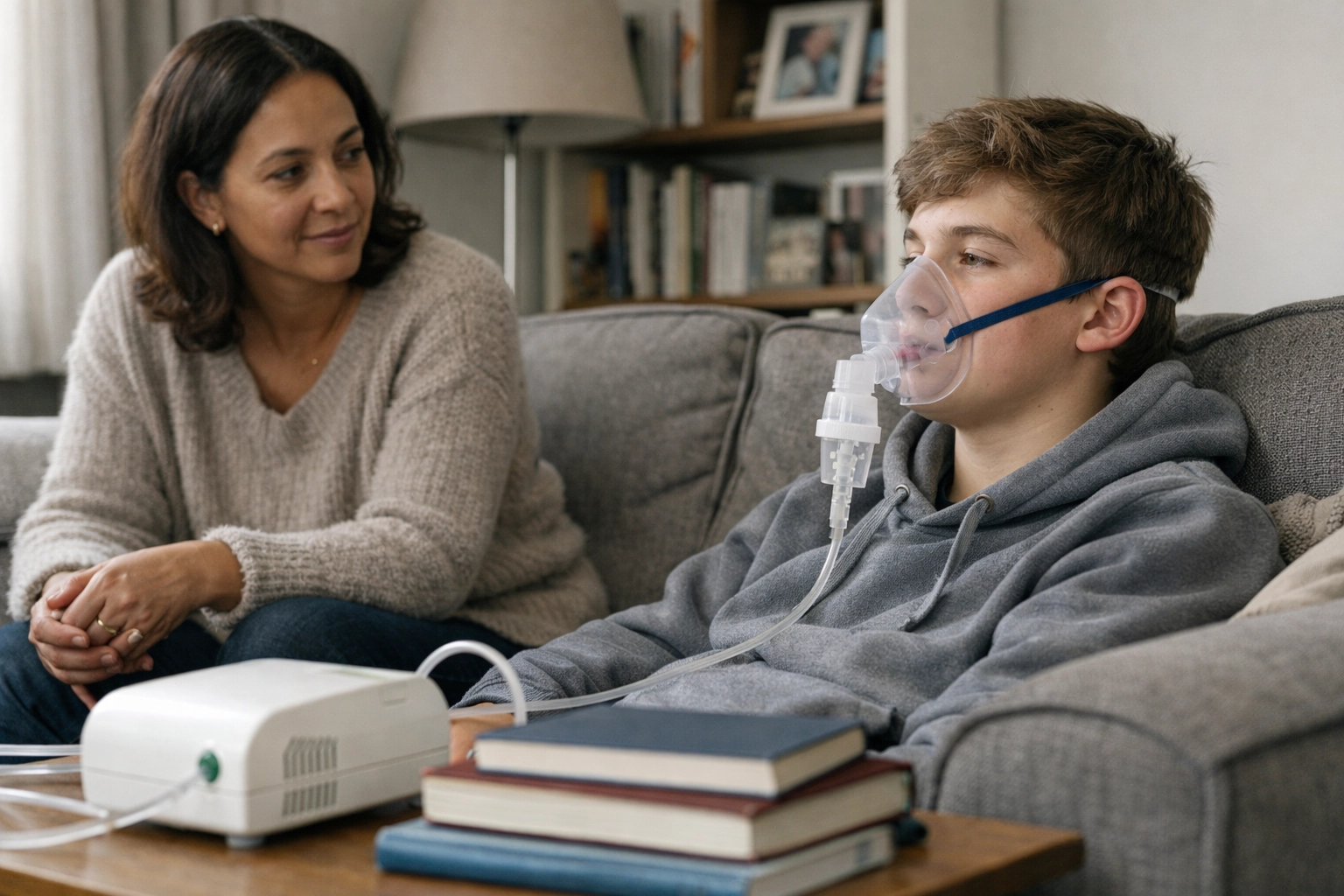
What patients and clinicians often describe is the "invisible" burden of the condition. On the surface, an individual might look healthy, but their daily routine involves a rigorous schedule of airway clearance techniques, nebulised treatments, and a high-calorie diet supplemented by digestive enzymes.
The psychological weight of the six-foot rule adds a layer of isolation. For many, the only people who truly understand the experience of living with CF are the very people they are forbidden from being near. This "alone together" dynamic is a significant factor in the mental health challenges faced by the community. It requires a high level of resilience to navigate a healthcare system where your peers are visible on a screen but must remain a physical distance away at all times.
How the Family is Affected
Cystic Fibrosis is often described as a "family diagnosis." The impact radiates far beyond the individual, shaping the lives of parents, siblings, and partners.
For parents, the role often shifts from caregiver to clinical coordinator. They must navigate the complex UK respiratory pathway, manage multiple appointments, and ensure strict adherence to treatment regimens while maintaining a sterile home environment. This can lead to significant career disruptions and financial strain.
Siblings also face a unique set of challenges. They may grow up in a household where the focus is naturally shifted toward the needs of the child with CF. They often become hyper-aware of germs and illness, understanding from a young age that a common cold brought home from school could lead to a hospital admission for their brother or sister.
The emotional toll on the family unit is profound. There is a constant underlying anxiety regarding lung function, hospital "tune-ups," and the long-term progression of the disease. However, many families also report a deep sense of cohesion and perspective that comes from managing a chronic condition together.
How to Support Someone with Cystic Fibrosis
Supporting an individual or a family living with CF requires a blend of practical help and emotional intelligence. Because the condition is often "invisible," the best support begins with acknowledging the effort required to stay healthy.
- Respect the Boundaries: Never take the six-foot rule or hygiene requests personally. If a friend with CF asks you to wash your hands or cancels a meeting because you have a sniffle, they are protecting their life.
- Practical Assistance: During hospital stays or periods of "exacerbation," practical help: such as dropping off groceries or helping with school runs for siblings: can alleviate the immense pressure on the family.
- Digital Connection: Since physical proximity with other CF patients is restricted, digital spaces are vital. Encouraging participation in moderated forums or virtual events helps bridge the isolation gap.
- Stay Informed: Understanding the basics of the condition helps avoid the "explanation fatigue" that many patients feel.
The Role of The Respiratory Network and Life Sciences
In the current landscape of healthcare networking in the UK, the focus is shifting toward more integrated, patient-centric care. For CF, this means leveraging life sciences engagement to bring new innovations to the forefront.
At The Respiratory Network, we believe that while patients must remain six feet apart, the stakeholders involved in their care: clinicians, life sciences professionals, and patient advocates: must be more connected than ever. Our goal is to facilitate the conversations that improve the respiratory pathway, ensuring that the latest clinical updates and data insights translate into better outcomes for those living with CF.
Innovation in this space isn't just about new therapies; it’s about how we deliver care. Remote monitoring, digital health platforms, and virtual clinics are all ways the NHS is adapting to support the CF community while respecting the necessity of infection control.
A Note on Medical and Legal Guidance
The information provided in this blog is for educational and informational purposes only. It is not intended to be a substitute for professional medical advice, diagnosis, or treatment. Always seek the advice of your physician or other qualified health provider with any questions you may have regarding a medical condition.
Moving Forward Together
The rules for Cystic Fibrosis are indeed different, but they are born out of a necessity to protect life. By understanding the science behind the distance and the human reality behind the diagnosis, we can build a more supportive environment for the CF community.
We invite you to join the conversation. Whether you are a healthcare professional, a member of the life sciences sector, or someone with lived experience, your insight is vital to improving respiratory care in the UK.
- Join our community: The Respiratory Network Public Forum
- Attend our next event: Round Table 2026
- Explore our speakers: Learn from experts like Claire Stapleton and Dr. Anand Singh who are at the forefront of respiratory innovation.
By working together: even when we must stand apart: we can ensure that the respiratory pathway is robust, compassionate, and effective for everyone.

Responses