

Can You Live an Active Life with COPD? A Guide to the 4 NHS Stages and Managing Triggers

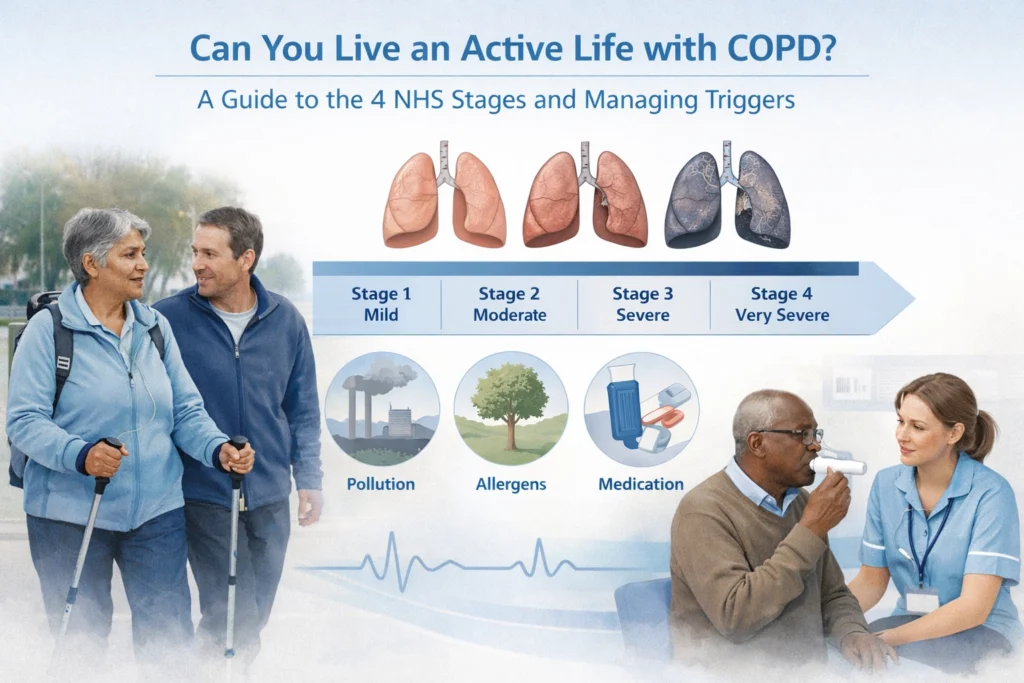
Chronic Obstructive Pulmonary Disease (COPD) is one of the most significant challenges facing NHS respiratory services today. For the individual diagnosed, the primary concern is often immediate: "What does my future look like?" For the NHS clinical lead or Life Sciences director, the focus is on the respiratory pathway: how we move from reactive crisis management to proactive, stable care.
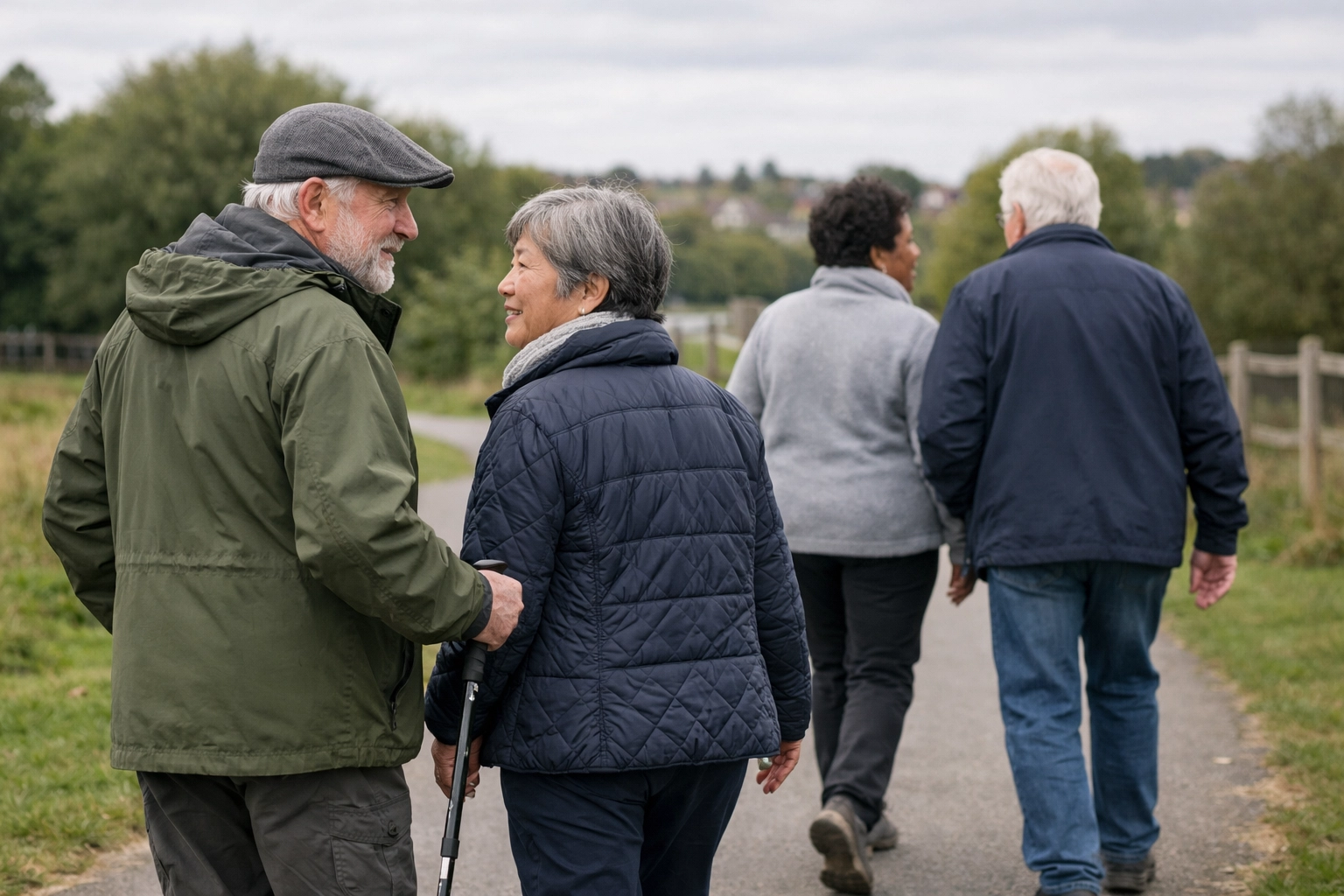
In practice, the answer to whether you can live an active life with COPD is a resounding yes, but it requires a fundamental shift in how we perceive the condition. It is no longer viewed as a steady, inevitable decline where "rest" is the only prescription. Instead, modern respiratory care UK standards emphasise activity as a clinical necessity.
A Note on Professional Guidance
Before we explore the clinical stages and lifestyle adjustments, it is important to include a reminder from our team. This blog post is designed to share insights and observe current practices within the UK health landscape. This content is for informational purposes only and does not constitute legal or medical advice. Always consult with your GP or respiratory consultant before making changes to your physical activity or treatment regimen.
Can You Live an Active Life with COPD?
What patients and clinicians often describe is a fear of breathlessness. This fear often leads to a "deconditioning cycle": the patient feels breathless, they stop moving to avoid the sensation, their muscles weaken, and they become even more breathless upon the slightest exertion.
However, clinical evidence strongly supports the opposite approach. Regular physical activity is associated with reduced lung function decline and a significant reduction in hospital exacerbations. According to a study published in the European Respiratory Journal, patients who engage in moderate-to-high levels of physical activity have a lower risk of both COPD-related admissions and all-cause mortality (Garcia-Aymerich et al., 2006).
Living an active life doesn't necessarily mean running marathons. In the context of COPD care UK, it means maintaining the ability to perform daily tasks, walking to the shops, or engaging in supervised pulmonary rehabilitation.
Understanding the 4 NHS Stages of COPD
In the UK, the NHS typically follows the GOLD (Global Initiative for Chronic Obstructive Lung Disease) criteria to categorise the severity of the disease. This is usually determined by a spirometry test, specifically looking at the FEV1 (Forced Expiratory Volume in 1 second) compared to predicted values.
Understanding these stages helps NHS leaders allocate resources and helps patients understand where they sit on the respiratory pathway.
Stage 1: Mild
At this stage, the FEV1 is 80% or more of the predicted value. Many people do not even realise they have COPD at this point. They may have a persistent cough or slight breathlessness when rushing, but it is often dismissed as "getting older" or "smoker’s cough."
Stage 2: Moderate
The FEV1 falls between 50% and 79%. This is typically when patients seek medical help. Breathlessness becomes noticeable during physical activity, and flare-ups (exacerbations) may start to occur. This is a critical window for intervention; introducing pulmonary rehabilitation here can significantly alter the disease trajectory.
Stage 3: Severe
The FEV1 is between 30% and 49%. Shortness of breath becomes a daily occurrence, affecting the ability to perform household chores. Fatigue is common, and the frequency of exacerbations usually increases.
Stage 4: Very Severe
The FEV1 is less than 30%, or less than 50% with chronic respiratory failure. At this stage, quality of life is significantly impacted. Patients may require long-term oxygen therapy. What this looks like on the ground is a high reliance on community respiratory teams and social care support.
Identifying Common COPD Triggers
Managing COPD is largely about managing the environment. Triggers are external factors that cause a sudden worsening of symptoms. For NHS respiratory services, helping patients identify these is a cost-effective way to reduce emergency admissions.
- Air Quality and Pollution: Both outdoor smog and indoor pollutants (like cleaning sprays or wood-burning stoves) can irritate the airways.
- Weather Extremes: In the UK, cold, damp air is a major trigger. It causes the airways to narrow, making breathing harder. Conversely, very hot, humid days can also be challenging.
- Infections: The common cold or flu can quickly escalate into a serious lung infection for someone with COPD.
- Emotional Stress: High anxiety can lead to rapid, shallow breathing, which exacerbates the feeling of breathlessness.
What Should People with COPD Not Do?
While we focus on what patients can do, there are certain "don'ts" that are grounded in clinical reality.
- Do Not Ignore a Flare-up: Waiting for a "chestiness" to clear on its own is a risk. Early use of "rescue packs" (as prescribed by a GP) can prevent a hospital stay.
- Do Not Become Sedentary: As discussed, avoiding movement leads to muscle wasting. Even in stage 4, gentle chair-based exercises are recommended.
- Do Not Smoke or Vape: This is the single most important factor. Continued exposure to smoke accelerates lung tissue destruction.
- Do Not Avoid Large Meals: Large meals can cause bloating, which pushes against the diaphragm and makes breathing more difficult. It is often better to eat smaller, frequent meals.
- Do Not Consume Dehydrating Drinks: While staying hydrated is vital to keep mucus thin, excessive caffeine or alcohol can lead to dehydration and interfere with some maintenance medications.
The NHS Respiratory Services Perspective
For NHS leaders, the goal is to move care closer to home. Integrated care boards (ICBs) are increasingly looking at how data insights can predict which patients are at risk of moving from Stage 2 to Stage 3.
"What patients and clinicians often describe" is a fragmented system where the transition from primary care to specialist hospital clinics is not always seamless. A robust respiratory pathway ensures that a patient diagnosed at Stage 1 is immediately given the tools: education, smoking cessation, and activity plans: to stay at Stage 1 for as long as possible.
The use of pulmonary rehabilitation (PR) is a "gold standard" intervention. The British Thoracic Society (BTS) notes that PR is one of the most cost-effective treatments the NHS offers, with the potential to reduce hospital days significantly (BTS Pulmonary Rehabilitation Quality Improvement).
"In practice," however, waitlists for PR can be long. This is where Life Sciences and the private sector can support the system by providing digital tools or community-based support programs that bridge the gap while patients wait for formal NHS services.
Conclusion: A Collaborative Approach to Care
Living an active life with COPD is not a solo endeavour. It requires the patient’s commitment to movement, the clinician’s expertise in staging and treatment, and the NHS's ability to provide a clear, accessible respiratory pathway.
By understanding the four stages and vigilantly managing triggers, the focus shifts from the limitations of the lungs to the possibilities of the person. Whether you are a patient navigating your diagnosis or a leader shaping NHS respiratory services, the goal remains the same: better breathing and a more active life for everyone.
Join the Conversation
At The Respiratory Network, we believe that the best solutions come from collaboration between those who live with the condition, those who treat it, and those who develop the next generation of care.
- Become a Member: Join our community to access exclusive resources and clinical updates. Register here.
- Network with Peers: Connect with NHS leads and Life Science directors in our Groups.
- Stay Informed: Follow our News Feed for the latest insights into UK respiratory care.
- Attend Our Events: Check our Tickets page for upcoming round tables and networking opportunities.
Together, we can ensure that "active living" isn't just a goal, but a reality for the millions of people living with COPD in the UK.

Responses