

The 4-4-4 Rule and Beyond: Quick Relief for Asthma and What to Avoid

In the landscape of asthma care UK, clarity of action during a respiratory crisis is perhaps the most critical factor in determining patient outcomes. For clinicians, patients, and those working within NHS respiratory services, a shared understanding of emergency protocols ensures that intervention is both timely and effective. One such protocol that has gained prominence for its simplicity and efficacy is the 4-4-4 rule.
However, managing asthma effectively requires more than just an emergency response; it necessitates a comprehensive understanding of daily triggers, lifestyle choices, and the nutritional factors that can either exacerbate or soothe airway inflammation. In practice, what we often see is a gap between clinical guidelines and the "on the ground" reality of patient self-management. This blog explores the 4-4-4 rule in detail and looks at the lifestyle factors that support long-term respiratory stability.
Please note: The information provided is for educational purposes and should not replace the advice of a qualified healthcare professional. Always consult your GP or respiratory lead regarding your specific management plan.
Understanding the 4-4-4 Rule
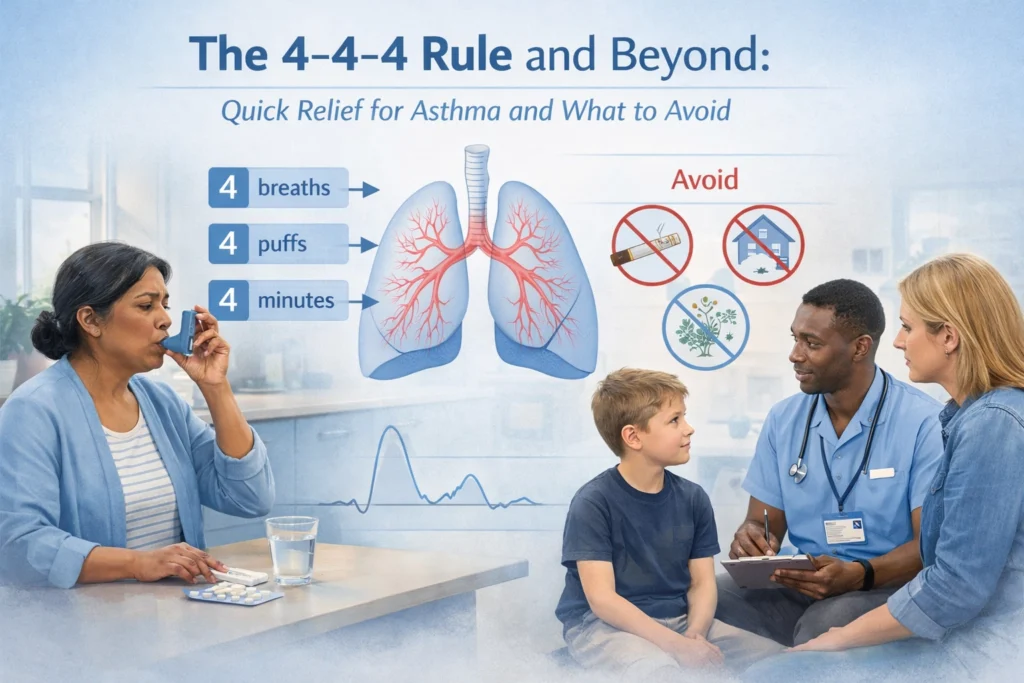
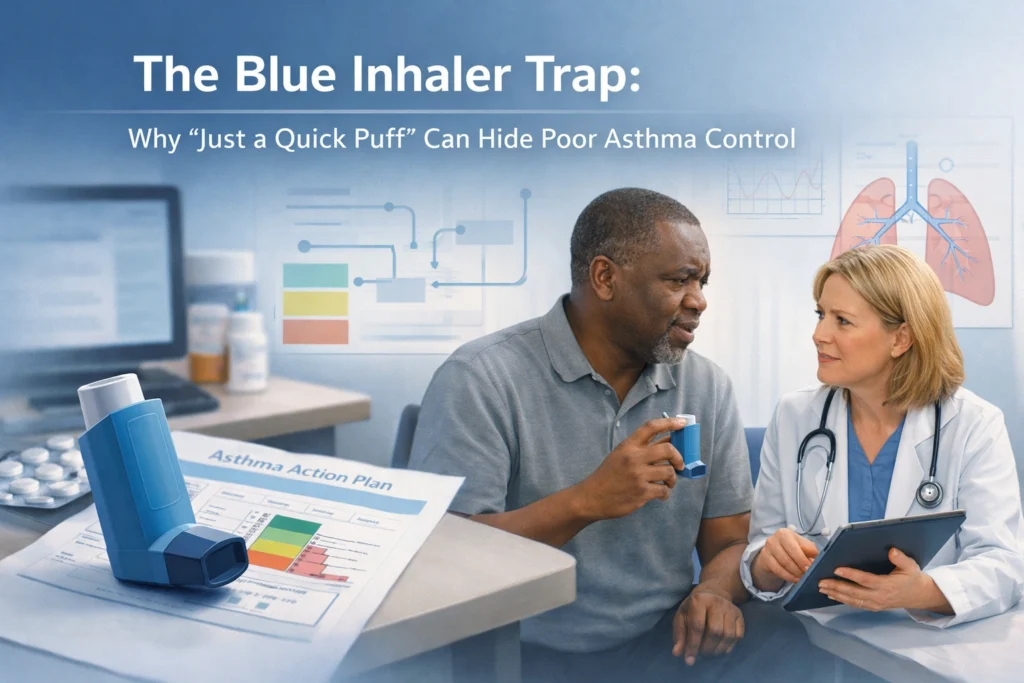
The 4-4-4 rule is a standardized emergency first aid protocol designed to be easily remembered during the high-stress environment of an asthma attack. When breathlessness transitions from a nuisance to a crisis, having a rhythmic, step-by-step process can prevent panic and ensure the delivery of life-saving medication.
The process is structured as follows:
- Positioning: Sit the person upright. Do not allow them to lie down, as this can further restrict the airways. Remain calm and reassuring; anxiety can often worsen the physiological sensation of breathlessness.
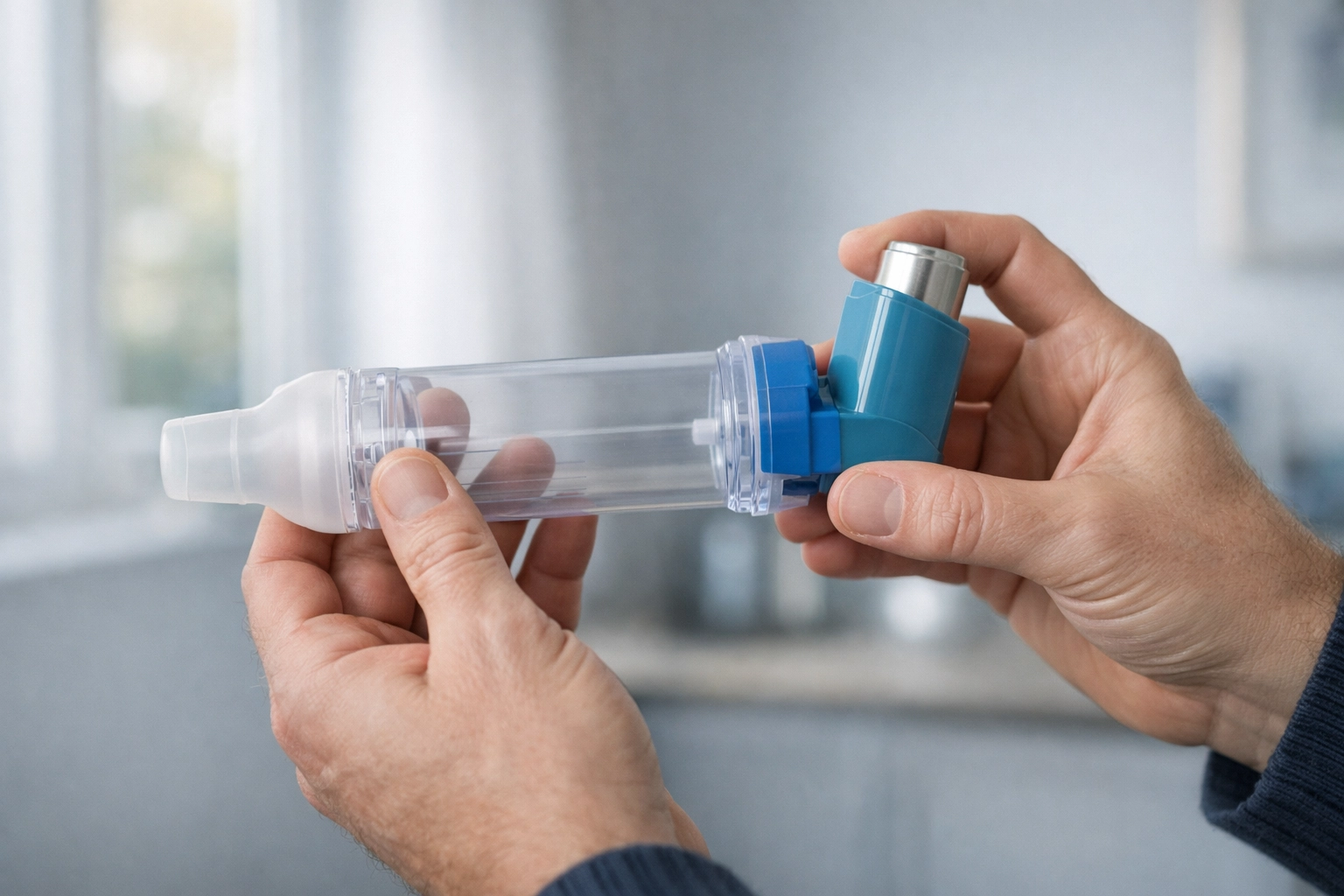
- The Four Puffs: Shake the reliever inhaler (usually blue or grey in the UK) and deliver one puff into a spacer.
- The Four Breaths: Have the person take four steady breaths from the spacer.
- The Four Minutes: Repeat the process until four separate puffs have been administered (each with its four breaths). Then, wait four minutes.
If, after the four-minute wait, the person’s breathing has not returned to a manageable level, the cycle should be repeated. If there is still no improvement after the second round, emergency services should be contacted immediately. Clinical evidence from bodies such as the Global Initiative for Asthma (GINA) and the British Thoracic Society (BTS) consistently highlights that delayed escalation to emergency care is a primary risk factor in fatal asthma events.
What Not to Do When You Have Asthma
In the effort to manage symptoms at home, patients often turn to traditional remedies or "hacks" found online. While some of these may offer mild comfort, they can be dangerous if used as a substitute for pharmacological intervention during an attack.
What patients and clinicians often describe is a tendency to "wait and see" while trying home remedies. In practice, this can lead to a dangerous deterioration in lung function.
- Do not rely on steam: While steam inhalation is often recommended for the common cold, it can actually trigger bronchospasm in some asthma patients. The heavy, moist air can act as an irritant to hyper-reactive airways.
- Avoid caffeine as a primary treatment: While caffeine is a weak bronchodilator (chemically related to some older respiratory medications), it is not fast-acting or potent enough to reverse an acute asthma attack.
- Do not use breathing exercises in isolation: Techniques like the Buteyko method have their place in long-term asthma care for reducing anxiety and improving breathing patterns, but they cannot chemically open a closed airway in the way a reliever inhaler can.
The Intersection of Diet and Respiratory Health UK
The relationship between nutrition and respiratory health UK is an area of increasing interest for both Life Sciences and clinical leads. While diet alone cannot "cure" asthma, certain foods are known to influence systemic inflammation, which in turn affects airway sensitivity.
Three Foods That Can Irritate the Lungs
- Processed Meats: High in nitrates and saturated fats, processed meats are often linked to increased systemic inflammation. Clinical papers, such as those published in the Thorax journal, have suggested an association between high processed meat consumption and worsening asthma symptoms over time.
- Sulphite-Heavy Foods: Found in dried fruits, bottled lemon juice, and some wines, sulphites are a known trigger for a subset of asthma patients. They can release sulphur dioxide, which irritates the lungs and triggers coughing or wheezing.
- High-Salt Foods: Excessive sodium intake can lead to fluid retention and has been hypothesized to increase tissue excitability in the airways, potentially making them more reactive to other triggers.
Foods That May Calm Asthma
On the other hand, an "anti-inflammatory" approach to eating can support better compliance with long-term management goals.
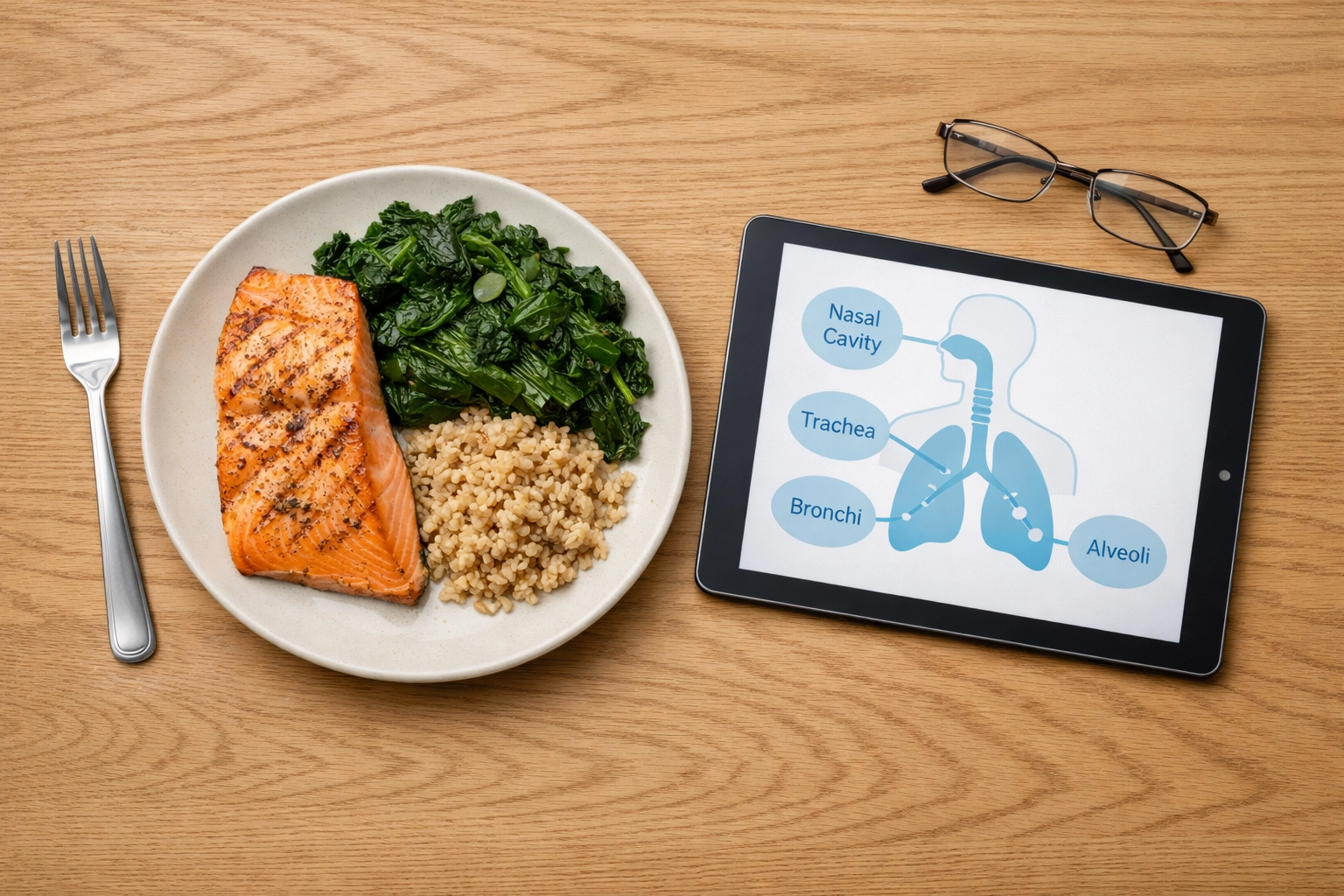
- Oily Fish: Rich in Omega-3 fatty acids, fish like mackerel and salmon have been shown to reduce airway inflammation.
- Leafy Greens: High in magnesium and Vitamin C, these support muscle relaxation (including the smooth muscles of the bronchi) and provide antioxidants that protect lung tissue from oxidative stress.
- High-Fibre Grains: Recent research into the gut-lung axis suggests that the fermentation of fibre in the gut produces short-chain fatty acids that may actually reduce allergic inflammation in the lungs.
What This Looks Like on the Ground: The Role of the ICS
In the current UK healthcare climate, the management of asthma is shifting toward a more integrated approach. Integrated Care Systems (ICS) are increasingly focused on population health management, which includes identifying those at high risk of admission and ensuring they are familiar with protocols like the 4-4-4 rule.
For Life Sciences engagement, this means moving beyond the product and toward the pathway. It is not just about the inhaler; it is about the spacer, the education, and the nutritional support that surrounds the patient. What we observe in high-performing respiratory hubs is a commitment to co-production, where patients with lived experience help shape how these emergency rules are communicated to their peers.
Bridging the Gap Between Insight and Action
The 4-4-4 rule is a vital tool, but it functions best when it is part of a wider, well-managed respiratory strategy. This includes regular reviews of inhalers technique, an awareness of environmental triggers such as housing conditions or fuel poverty, and a robust connection between the patient and their clinical team.
At The Respiratory Network, we believe that these conversations: spanning the gap between the patient's kitchen table and the Life Sciences boardroom: are where real progress happens. By standardizing our emergency responses and being mindful of the daily habits that influence lung health, we can reduce the burden of asthma on both the individual and the NHS.
Join the Conversation
Understanding the nuances of respiratory care requires collaboration across the entire system. Whether you are a clinician looking to improve local pathways, a patient advocate sharing lived experience, or a Life Sciences professional developing the next generation of diagnostics and treatments, there is a place for you in our network.
- Become a Member: Join a community dedicated to improving respiratory outcomes across the UK. Learn more here.
- Attend Our Events: We host regular sessions that dive deep into the challenges facing respiratory medicine today. Check out our upcoming events.
- Round Table 2026: Don't miss our flagship Round Table event, where we bring together the brightest minds in the sector to tackle health inequalities and system pressures.
By working together, we ensure that protocols like the 4-4-4 rule are not just lines on a poster, but active, life-saving knowledge embedded in every community.
References for Further Reading:
- British Thoracic Society (BTS) / Scottish Intercollegiate Guidelines Network (SIGN) Guideline on the Management of Asthma.
- Global Initiative for Asthma (GINA): 2025/2026 Global Strategy for Asthma Management and Prevention.
- Thorax Journal: "Dietary intake and asthma symptoms: a cross-sectional study of the UK population."
- NHS England: National Bundle of Care for Children and Young People with Asthma.

Responses