Moving Care Closer to Home: The £10m Respiratory Transformation Partnership

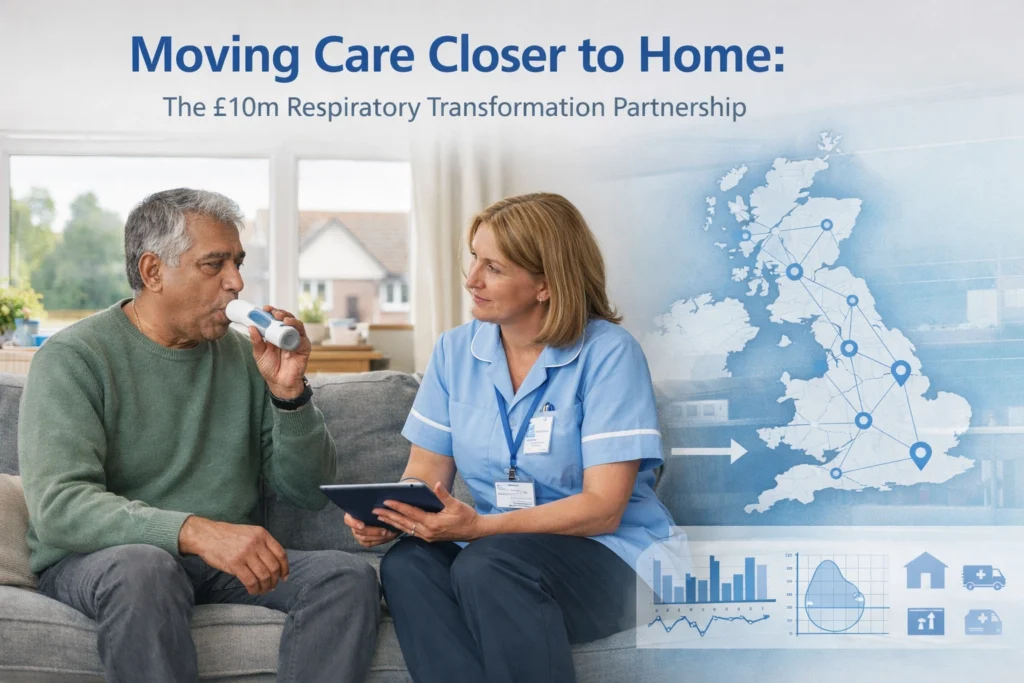
The landscape of respiratory care in England is undergoing a structured shift. With the recent launch of the £10 million Respiratory Transformation Partnership (RTP), the focus has moved from conceptual strategy to practical, community-based implementation. This initiative, a collaboration between the NHS, the Office for Life Sciences, and industry partners, is designed to address the longstanding challenges of asthma and chronic obstructive pulmonary disease (COPD) by moving the center of gravity away from acute hospital settings.
For those working within Integrated Care Systems (ICS) and Primary Care Networks (PCN), this partnership represents more than just a funding injection. It is an attempt to create a sustainable blueprint for how respiratory medicine is delivered at a neighborhood level.
A Measured Shift in Strategy
The RTP is led by Health Innovation Oxford and Thames Valley on behalf of the Health Innovation Network. Its objective is clear: by December 2027, the program aims to demonstrably reduce premature mortality and hospital admissions while narrowing the variation in care that currently exists across different postcodes.
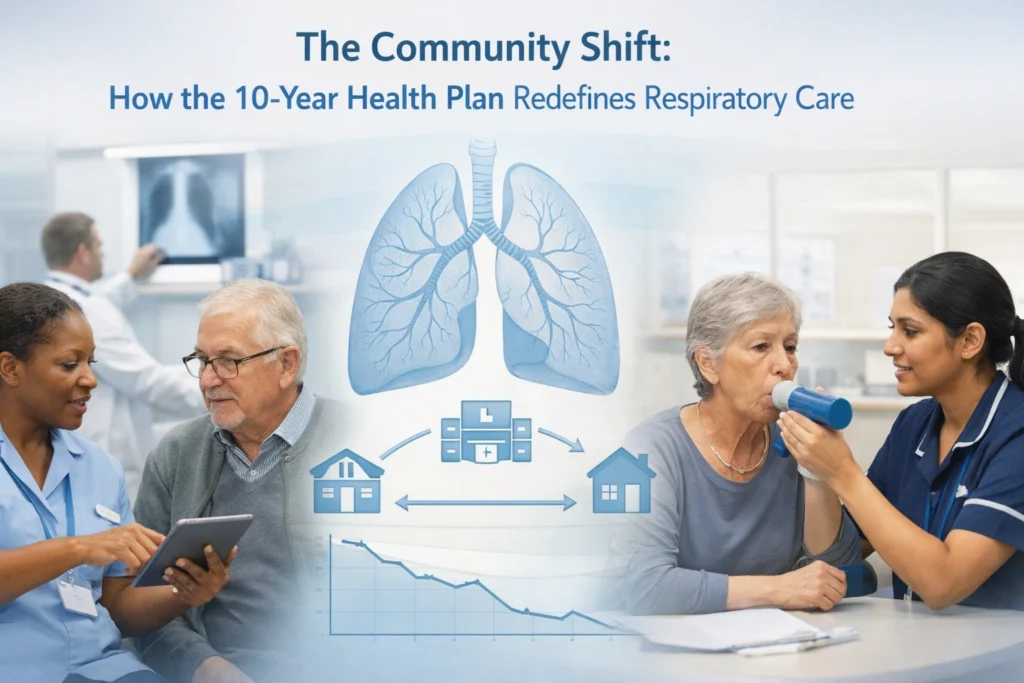
In practice, this means moving away from a model where patients only receive specialist intervention when they are in crisis. Instead, the partnership emphasizes early identification and proactive management within the community. This aligns with the broader 10-Year Health Plan, which views respiratory health not just as a clinical issue, but as an economic one. When people can breathe well, they can participate more fully in the workforce and their communities.
What This Looks Like on the Ground: The Four Workstreams
To understand how this £10m will affect daily operations, it is helpful to look at the four distinct workstreams that form the backbone of the partnership. Each is designed to bridge the gap between national guidelines and local delivery.
1. Asthma Neighbourhood Development
The first workstream focuses on the foundational elements of care: diagnosis and risk stratification. What this looks like on the ground is a more robust approach to finding those at risk before they require emergency care. By implementing British Thoracic Society (BTS) and NICE guidelines at a PCN level, the goal is to ensure that every patient has a clear, actionable management plan.
In practice, this involves utilizing data dashboards to identify patients who are over-reliant on rescue medication: a known marker for poor control: and bringing them in for reviews before an exacerbation occurs.
2. Enhancing Access to Advanced Therapies
There has historically been a significant "postcode lottery" regarding access to biologics and other advanced treatments. Workstream 2 aims to standardise this. This isn't about promoting a specific product, but about ensuring that the pathway to specialist care is transparent and accessible.
For a clinician in a community setting, this means clearer referral pathways and better support to identify which patients meet the criteria for advanced therapies. By streamlining these processes, the NHS hopes to see patients receiving the right level of intervention months sooner than under the previous fragmented system.
3. COPD Neighbourhood Development
Similar to the asthma workstream, this focus area looks at the "neighbourhood" model for COPD. It recognizes that COPD management is often complicated by comorbidities and social determinants of health. What patients and clinicians often describe is a feeling of being "lost" between primary care and hospital follow-ups. The RTP seeks to create a more integrated experience where community-based multidisciplinary teams have the resources they need to manage complex patients outside of the hospital environment.
4. Preparing for Future Innovations in COPD
The fourth workstream is forward-looking. It focuses on building the infrastructure necessary to deliver advanced therapies for COPD as they become available and are recommended by NICE. This involves workforce training and the development of community hubs capable of handling more complex clinical tasks that were previously the sole domain of secondary care.
Regional Implementation: Observations from Wakefield
While the RTP is a national initiative, the funding is being distributed to specific districts to test and refine these models. For instance, the Wakefield District recently secured £300,000 to accelerate their respiratory pathway transformation.
Observing the Wakefield model provides a grounded example of the partnership in action. Their focus is on three key pillars: accelerated diagnosis, expanded access to biologics, and workforce strengthening. By investing in the people who deliver care: training pharmacists, nurses, and GPs in advanced respiratory assessment: they are building a system that is resilient to winter pressures.
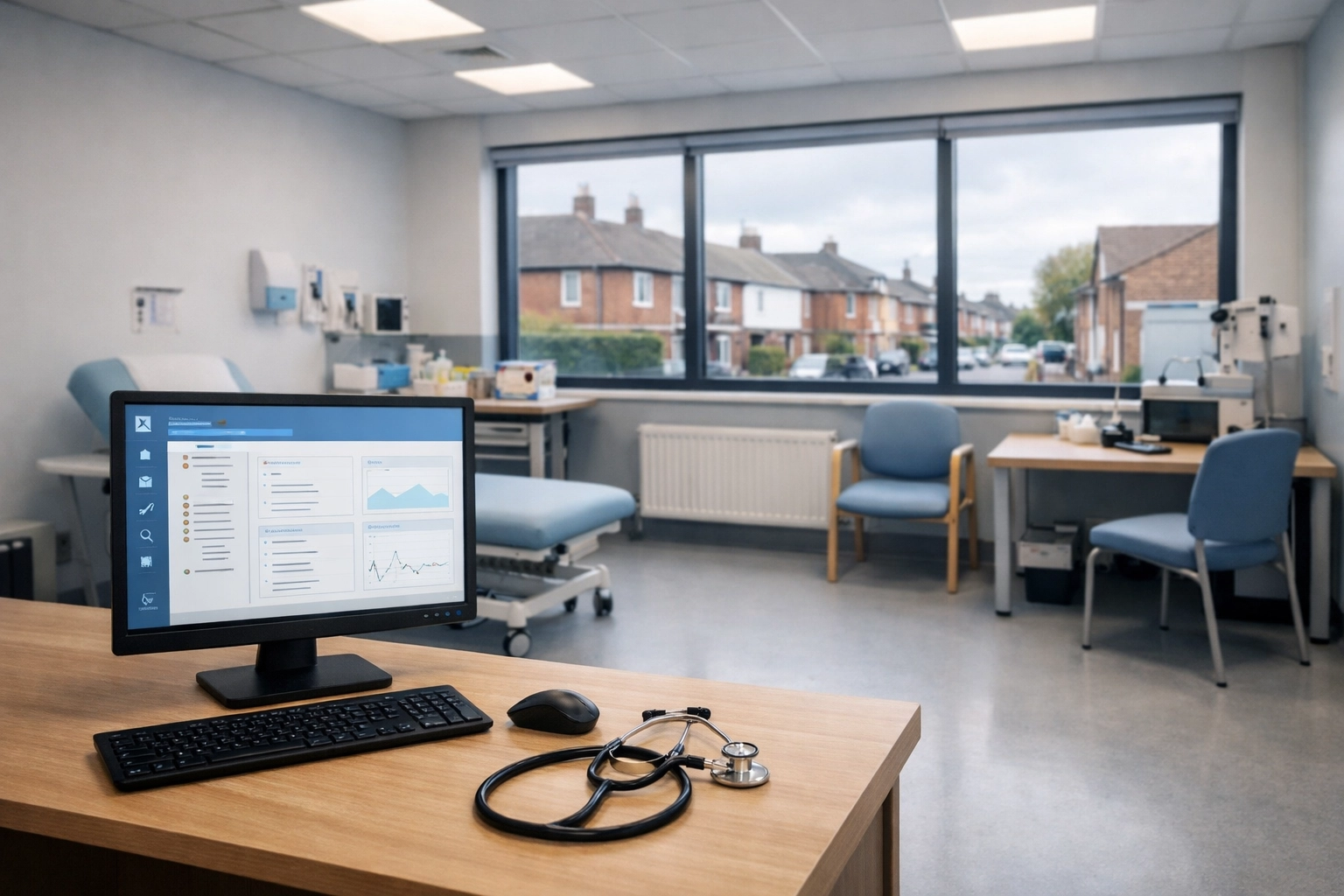
In practice, this means that a patient in Wakefield might have their lung function assessed and their treatment plan optimized at their local surgery or a nearby community hub, rather than waiting for an outpatient appointment at a large acute hospital.
Digital Tools and Risk Stratification
A significant portion of the £10m investment is directed toward digital enablement. This is not about technology for the sake of technology, but about providing clinicians with the insights they need to make informed decisions.
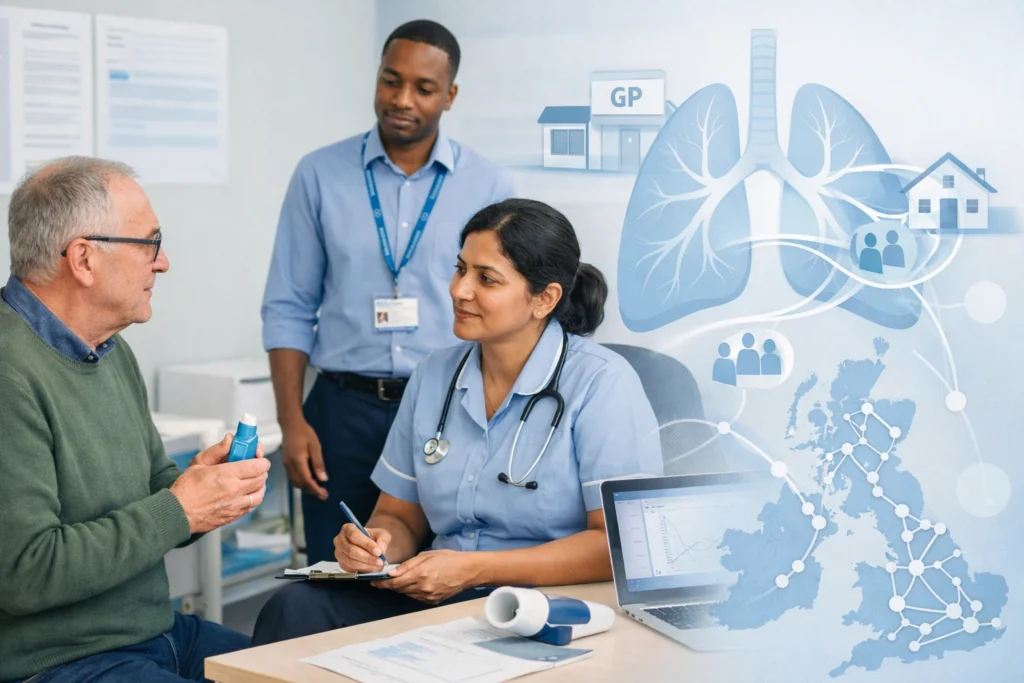
Digital tools, including risk-stratification dashboards, allow PCNs to see their entire respiratory population at a glance. They can identify who hasn't had an annual review, who has had multiple courses of oral steroids, and who is overdue for a diagnostic test.
What this looks like on the ground is a shift from "reactive" care to "predictive" care. When the system can flag a patient whose condition is deteriorating before the patient even realizes it, the opportunity for intervention is significantly higher. This reduces the burden on A&E departments and, more importantly, improves the quality of life for the individual.
Building Workforce Capability
One of the most pressing challenges in respiratory care is the workforce. There is a recognized need for more specialized knowledge at the primary care level. The RTP addresses this by funding new roles and providing targeted training.
The goal is to move toward a model where respiratory expertise is embedded within the community. This might involve clinical pharmacists taking a lead role in inhaler technique and medication optimization, or physiotherapy leads heading up community-based pulmonary rehabilitation programs. By distributing expertise more widely, the system becomes less dependent on a small number of hospital-based specialists.

The Role of Industry Collaboration
The "Big Four" industry partners involved in this transformation are not merely suppliers; they are integrated into the workstreams to provide data insights, support pathway design, and assist with the scaling of innovation. This partnership model acknowledges that the challenges facing respiratory care are too large for any single organization to solve in isolation.
From a Life Sciences perspective, this partnership provides a clearer understanding of the NHS's operational realities. It allows for the development of solutions that are not just clinically effective, but practically implementable within the constraints of a busy community clinic.
Conclusion: A Purposeful Path Forward
The Respiratory Transformation Partnership is a recognition that the old ways of delivering care are no longer sufficient for the growing prevalence of respiratory disease. By focusing on the community, investing in data, and strengthening the workforce, the program seeks to create a more equitable and efficient system.
For the members of The Respiratory Network, this represents a significant opportunity to engage with new models of care. Whether you are a clinician, a commissioner, or a partner in the Life Sciences, the shift toward "neighbourhood" health is the direction of travel for the next decade.
Understanding these workstreams and the data-driven approach behind them is essential for anyone looking to improve outcomes for people living with respiratory conditions.
Medical Disclaimer: The information provided in this blog is for informational purposes only and does not constitute medical advice. Always seek professional clinical guidance for medical conditions.
Join the Conversation
The shift toward community-based respiratory care is a recurring theme in our discussions. We invite you to stay connected and contribute your insights:
- Become a Member: Join our community of NHS leaders and Life Sciences professionals to access exclusive insights and networking opportunities. Join the Network
- Attend our Events: We regularly host sessions focused on pathway innovation and NHS strategy. View our upcoming schedule here: Events Calendar
- Follow us on Social Media: Stay updated with the latest policy shifts and regional successes in respiratory care.
Responses