

The Panic Loop: Why we need to treat the anxiety of breathlessness, not just the lungs

Disclaimer: The information provided in this article is for educational and informational purposes only. It is not intended to be a substitute for professional medical advice, diagnosis, or treatment. Always seek the advice of your physician or other qualified health provider with any questions you may have regarding a medical condition.
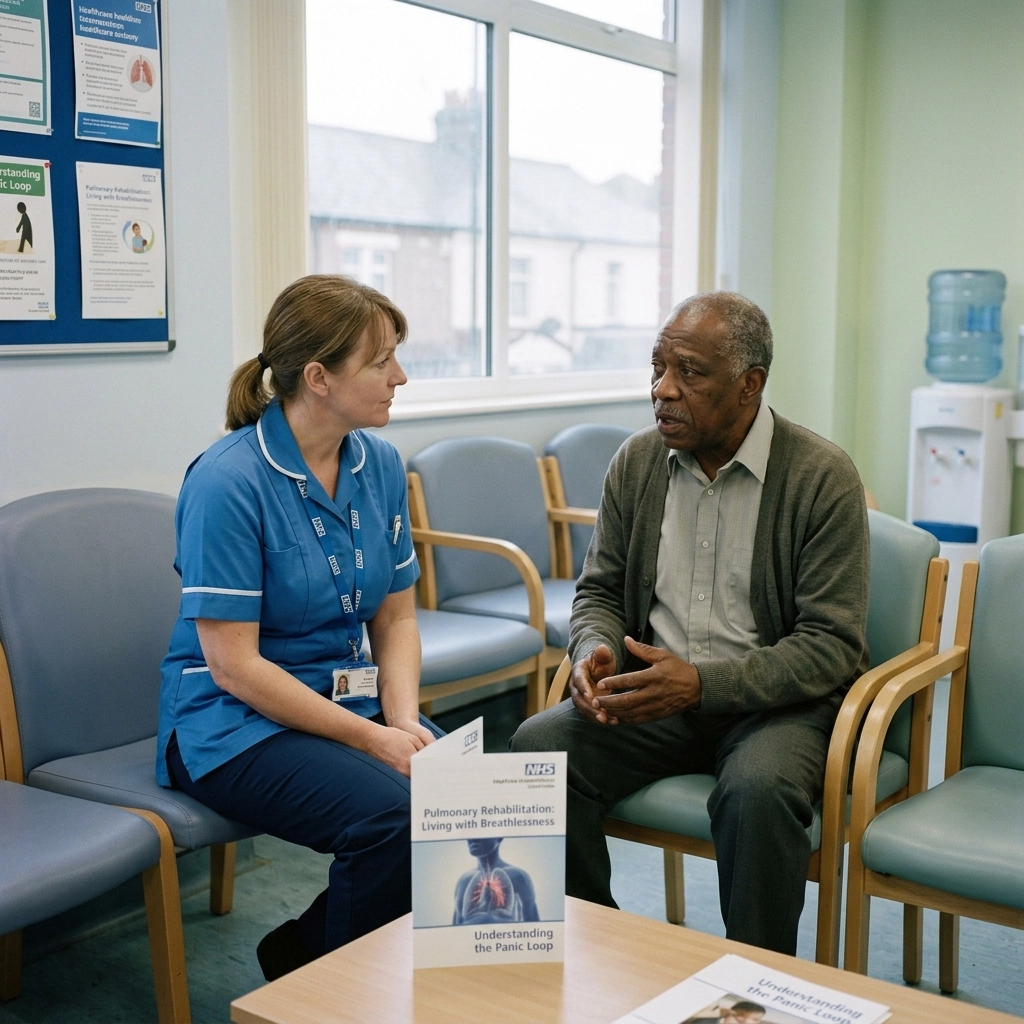
For anyone living with a chronic lung condition, the sensation of air hunger is more than a clinical symptom; it is a visceral, often terrifying experience. In the world of Respiratory care UK, we frequently focus on the mechanics of the lungs: the forced expiratory volume, the oxygen saturation, and the inflammatory markers. Yet, for the patient, the physical struggle to breathe is inextricably linked to an emotional response.
When breathlessness triggers anxiety, and that anxiety in turn worsens the breathlessness, we enter what clinicians and patients often describe as the 'Panic Loop'. If NHS Respiratory services are to truly evolve, we must move beyond treating the lungs in isolation and begin addressing the nervous system that reacts to them.
Understanding the Panic Loop
The panic loop is a self-reinforcing cycle. It begins with a physical sensation of breathlessness, perhaps caused by exertion or a flare-up. This sensation is interpreted by the brain as a threat, triggering a 'fight or flight' response. In an attempt to get more air, the person begins to breathe more rapidly and shallowly, often using the upper chest muscles rather than the diaphragm.
This shallow breathing leads to hyperventilation, which can cause light-headedness, chest tightness, and tingling in the extremities: symptoms that feel remarkably similar to a worsening respiratory crisis. The brain sees these new symptoms as evidence of further danger, increasing anxiety and making the breathing even more erratic.
In practice, this loop can become so ingrained that the mere thought of becoming breathless can trigger the cycle. For those managing COPD care UK or asthma care UK, this isn't just a side effect; it is a primary barrier to rehabilitation and quality of life.
The Impact on the Respiratory Pathway
The consequences of the panic loop extend far beyond the individual’s immediate distress. From a systems perspective, untreated anxiety in respiratory patients significantly impacts NHS Respiratory leadership and resource allocation.
When a patient is caught in a panic loop, they are more likely to seek urgent care. A significant proportion of unscheduled admissions for breathlessness are driven, at least in part, by the distress and panic associated with the symptom rather than a change in the underlying physiological state. By failing to address the psychological component of the Respiratory pathway, we inadvertently place higher pressure on emergency departments and acute beds.
Furthermore, the panic loop leads to 'deconditioning'. To avoid the frightening sensation of breathlessness, patients often reduce their physical activity. This leads to weaker muscles, which then require more oxygen to function, making the patient breathless at even lower levels of exertion. Breaking this cycle requires a shift in how we approach Respiratory health UK.
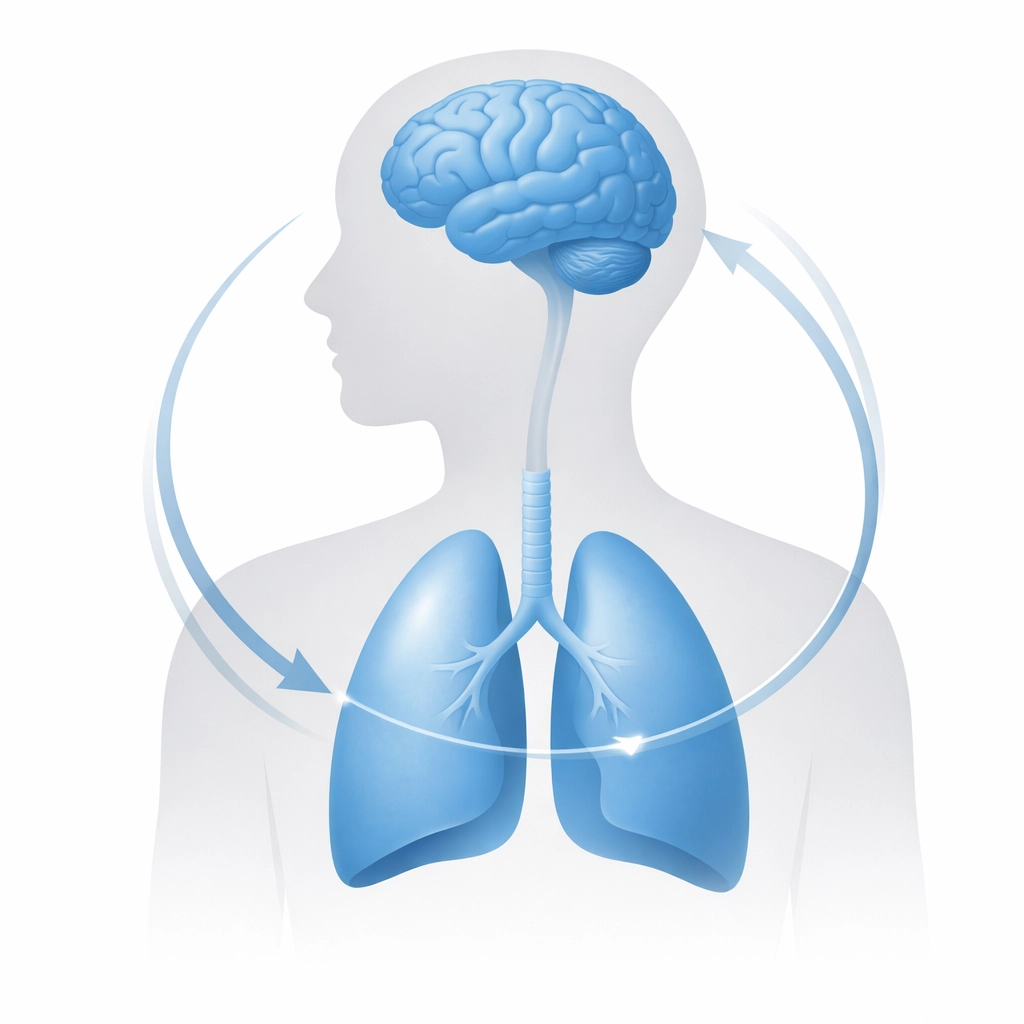
Suggested image: A conceptual diagram showing the feedback loop between physical symptoms of breathlessness and psychological responses of anxiety.
Re-framing the Sensation
One of the most effective ways to break the panic loop is through cognitive reframing. This is not about 'thinking happy thoughts', but about providing patients with the tools to interpret their body’s signals differently.
In many patient engagement healthcare UK initiatives, we see the power of lived experience in teaching these techniques. When a patient understands that 'I feel breathless, but I am safe,' they can begin to employ grounding techniques. Mindfulness and paced breathing exercises are not 'soft' interventions; they are clinical tools that help reset the autonomic nervous system.
For NHS Respiratory services, integrating psychological support: such as Cognitive Behavioural Therapy (CBT) specifically tailored for breathlessness: can be transformative. It moves the goalpost from 'eliminating breathlessness' (which may not be possible in chronic disease) to 'reducing the distress associated with breathlessness'.
The Role of Life Sciences and Innovation
The life sciences engagement UK sector has a pivotal role to play here. Innovation in respiratory care isn't just about more effective inhaled therapies; it’s about digital health solutions that can monitor and manage the panic loop in real-time.
Wearable technology that tracks heart rate variability and breathing patterns can alert a patient when they are beginning to hyperventilate before they even realise it. Digital platforms can deliver 'just-in-time' breathing prompts or grounding exercises, providing a virtual hand to hold during a frightening moment. This intersection of technology and psychology is the next frontier for life sciences and innovation in the UK.
A Call for Integrated Care
What this looks like on the ground is a move away from siloed care. A patient should not have to finish their respiratory appointment and then be referred to a completely separate mental health waitlist to deal with the anxiety of their condition.
The most successful models of pathway excellence are those where pulmonary rehabilitation includes a strong psychological component. Pulmonary rehab is perhaps the single most effective intervention for breaking the deconditioning cycle, but its success relies heavily on the patient feeling safe enough to exert themselves.
By fostering better healthcare networking UK, we can share these best practices. We need clinicians, commissioners, and industry partners to sit at the same table and recognise that the lungs and the mind are part of the same system.
Conclusion: Breathing Better Together
The panic loop is a powerful reminder that healthcare is about people, not just pathologies. To improve Respiratory health UK, we must validate the fear that comes with breathlessness and provide the integrated support needed to manage it.
When we treat the anxiety alongside the lungs, we see patients who are more confident, more active, and less reliant on emergency services. It is a win for the patient, a win for the NHS, and a clear direction for future innovation.
At The Respiratory Network, we are dedicated to facilitating these vital conversations. Whether you are a clinical lead, a life sciences professional, or someone with lived experience, your voice is essential in shaping a more holistic Respiratory pathway.
Join the Conversation
We invite you to join our community and contribute to the future of respiratory care in the UK.
- Become a Member: Connect with a network of professionals and patients committed to excellence. Register here.
- Join the Discussion: Visit our Forums to share your insights on integrated care.
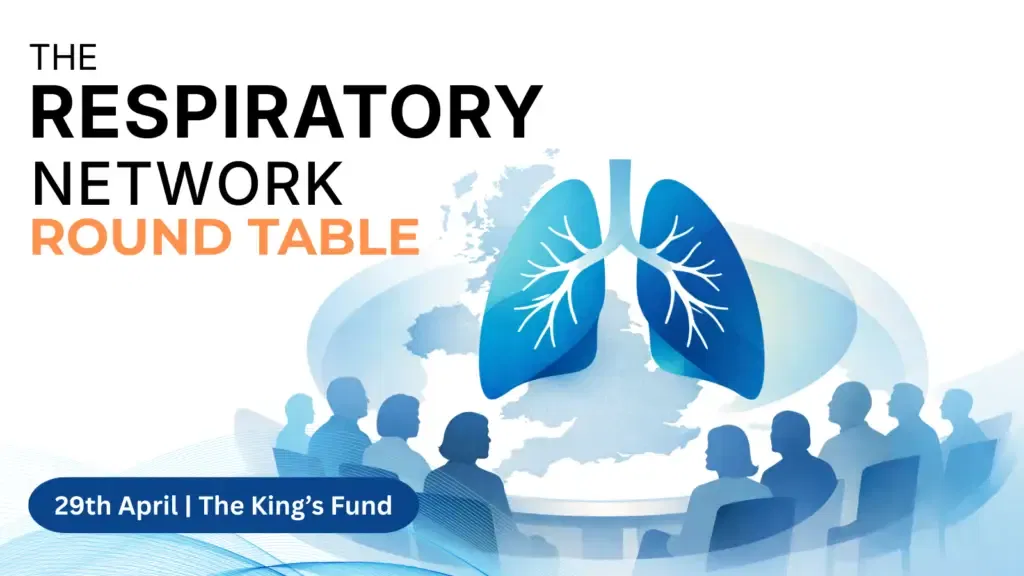
- Attend our Events: Our Round Table event on the 24th of June brings together leaders from across the sector to solve the most pressing challenges in respiratory health.
Together, we can ensure that no patient has to navigate the panic loop alone. Let’s build a system that supports every breath.
For more information on our mission and upcoming initiatives, visit The Respiratory Network.

Responses