

A Lifetime of Lung Health: Why the UK Must Intervene Earlier in the Respiratory Timeline


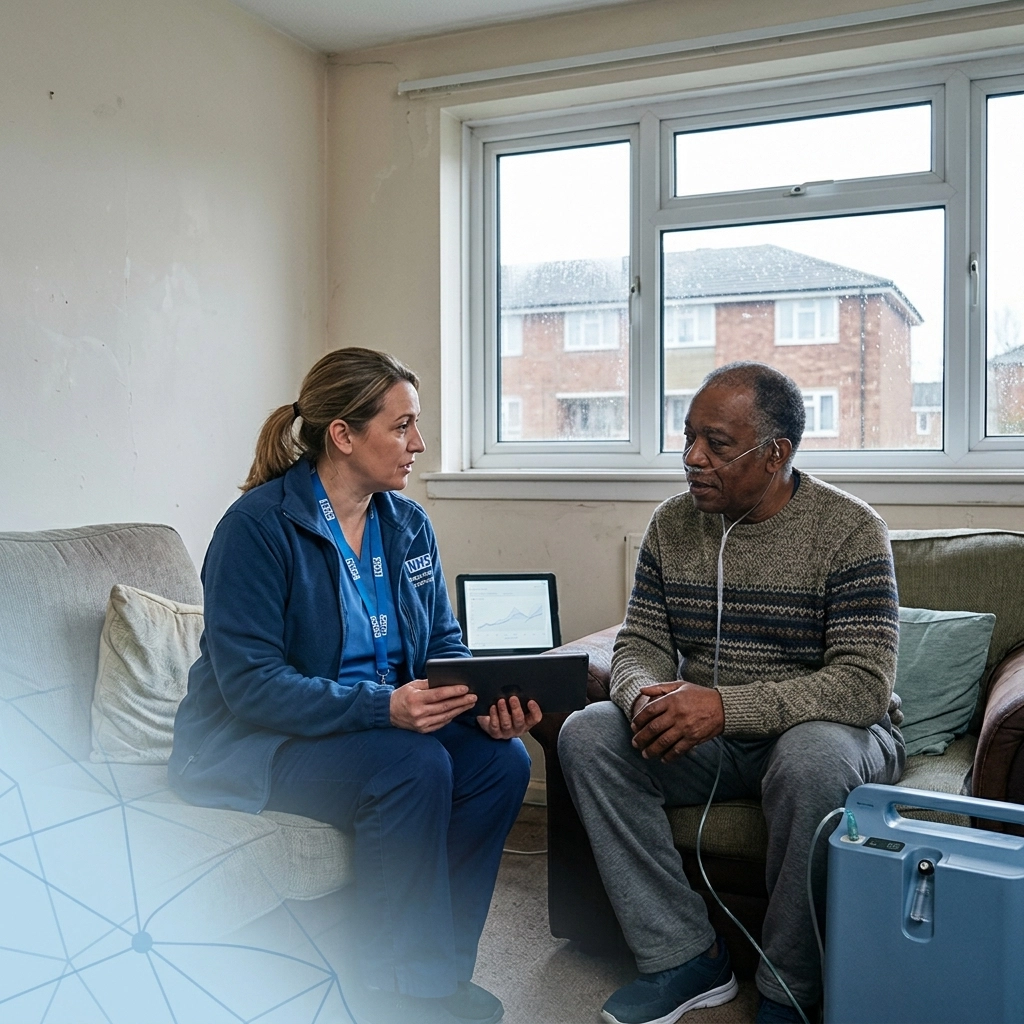
When we talk about respiratory care in the UK, we’re often talking about crisis management. We talk about the winter pressures, the rising admissions for exacerbations, and the struggle to clear backlogs for diagnostics. But if we’re honest, by the time most people enter the respiratory pathway, the "horse has already bolted."
Right now, the average age for a COPD diagnosis in the UK is around 67. Think about that for a second. By the time someone gets that diagnosis, they’ve likely been living with declining lung function for decades. We aren’t catching the fire when it’s a spark; we’re trying to put it out when the whole building is already on fire.
If we want to change the future of respiratory health UK, we have to stop looking at lung disease as a problem of old age and start looking at it as a journey that begins in the womb.
The Allergic March: Where it all begins
We often treat childhood asthma, hay fever, and adult lung disease as separate folders in a filing cabinet. In reality, they are often chapters of the same book. This is what clinicians call the "Allergic March."
It usually starts with eczema in infancy, moving into food allergies, then hay fever, and eventually settling into asthma. If a child’s lungs aren’t developing properly because of constant allergic inflammation or environmental triggers, they aren’t just having a "wheezy childhood", they are potentially being set up for chronic issues later in life.
When we intervene late, we’re missing the chance to change the trajectory of that person’s life. If we can better manage those early allergic responses and childhood exposures, we might just prevent the COPD diagnosis forty years down the line.
The Magic Number: Why 25 is the Peak
Did you know that your lungs generally reach their peak performance around the age of 25? After that, it’s a slow, natural decline. For most people, that decline is so gradual they’ll never notice it. But if you start with lower lung capacity because of childhood illness, or if you accelerate that decline through smoking or air pollution, you hit the "threshold of breathlessness" much sooner.
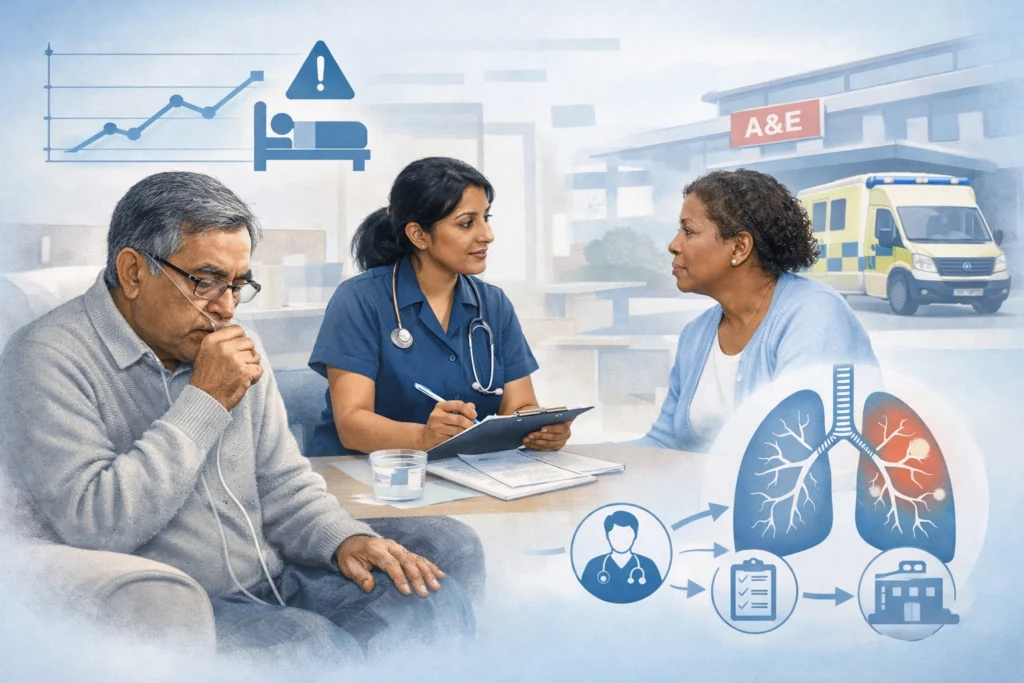
There’s a growing argument that we should be doing "Lung Health Checks" for 25-year-olds. It sounds radical, doesn't it? We’re used to screening people in their 60s and 70s. But a quick check at 25 would give us a baseline. It would identify the young people who already have reduced lung function and allow for targeted interventions, like aggressive smoking cessation support or occupational health advice, long before they end up in an A&E department.
The Environment: More Than Just "Lifestyle Choices"
It’s easy to point the finger at smoking, and while smoking cessation is still the single most effective thing we can do for respiratory health UK, it’s not the only factor. We have to talk about the air people are breathing every day.
We know that damp, mouldy housing and high levels of traffic pollution are driving respiratory admissions. This isn't just about "lifestyle"; it’s about the social determinants of health. If a child grows up in a home with persistent mould, their lung development is compromised before they’ve even finished primary school.
Our respiratory pathway needs to stretch beyond the clinic walls. It needs to involve Integrated Care Boards (ICBs) working with local authorities on housing and air quality. We can’t expect a blue inhaler to fix a problem caused by a damp bedroom.
Shifting the Pathway: From Reactive to Proactive
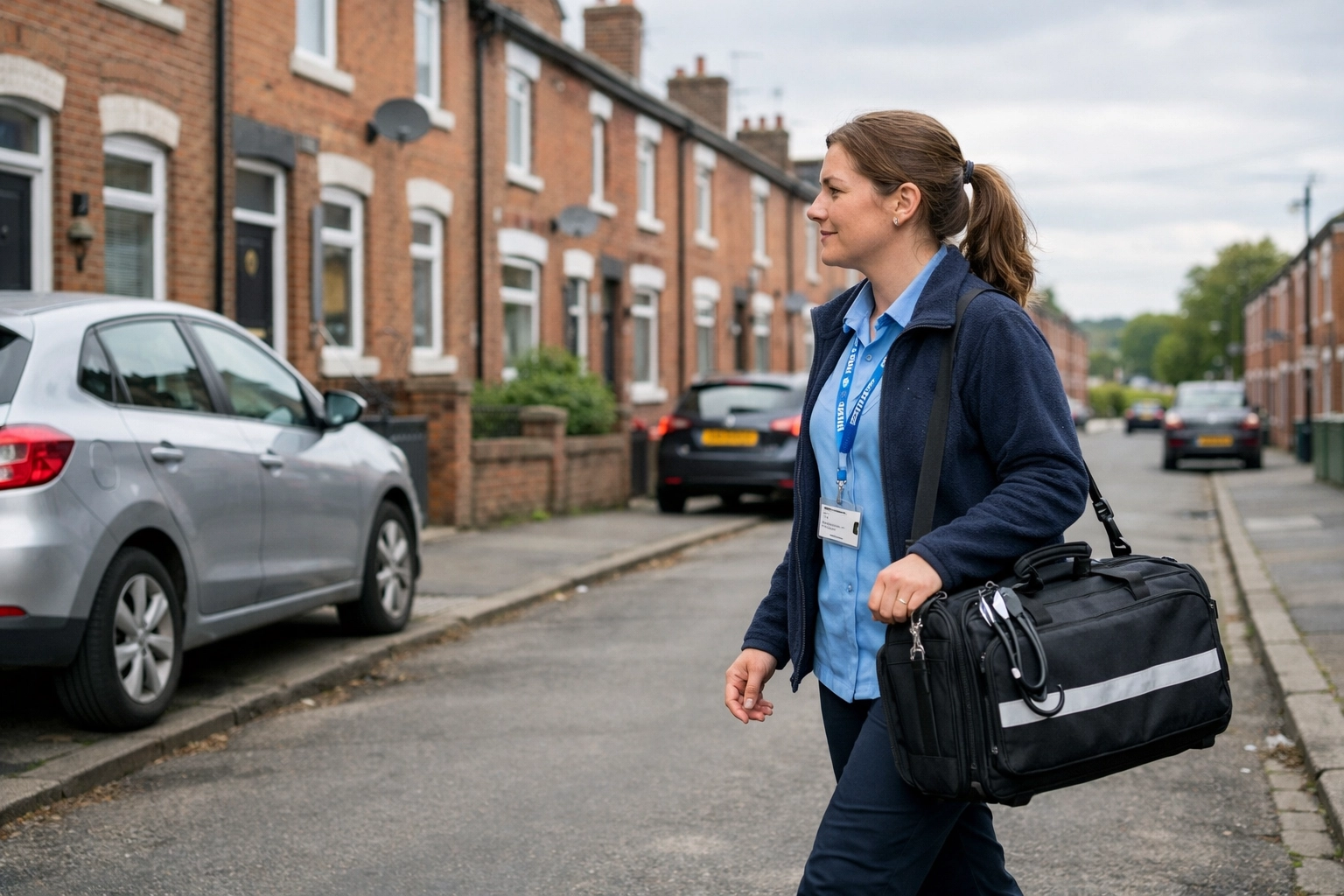
So, what does this look like in practice? It means moving away from a system that only reacts when a patient is breathless.
- Early Objective Testing: We need to move away from symptom-based assumptions. If a child is wheezing, they need proper diagnostics, not just a "wait and see" approach.
- The "One Airway" Approach: Treating the nose and the lungs together. If we don't fix the allergic rhinitis, we’ll never fully control the asthma.
- Digital Integration: Using data to identify at-risk populations earlier. If we see a pattern of frequent antibiotic prescriptions for "chest infections" in a young adult, the system should flag them for a spirometry test.
- Life Sciences Collaboration: We need the industry to help us move toward preventive therapies and better diagnostic tools that can be used in the community, making it easier to catch early-stage disease.
Why This Matters for the NHS (and You)
The current model is unsustainable. We have a workforce that is stretched to the limit and a patient population that is getting sicker. By shifting our focus to the beginning of the lifespan, we aren't just improving individual lives; we’re protecting the future of the NHS.
Prevention isn't just a buzzword; it’s a clinical necessity. If we can ensure better lung health in the first three decades of life, we drastically reduce the burden of multi-morbidity in the final three.
Let's Change the Conversation
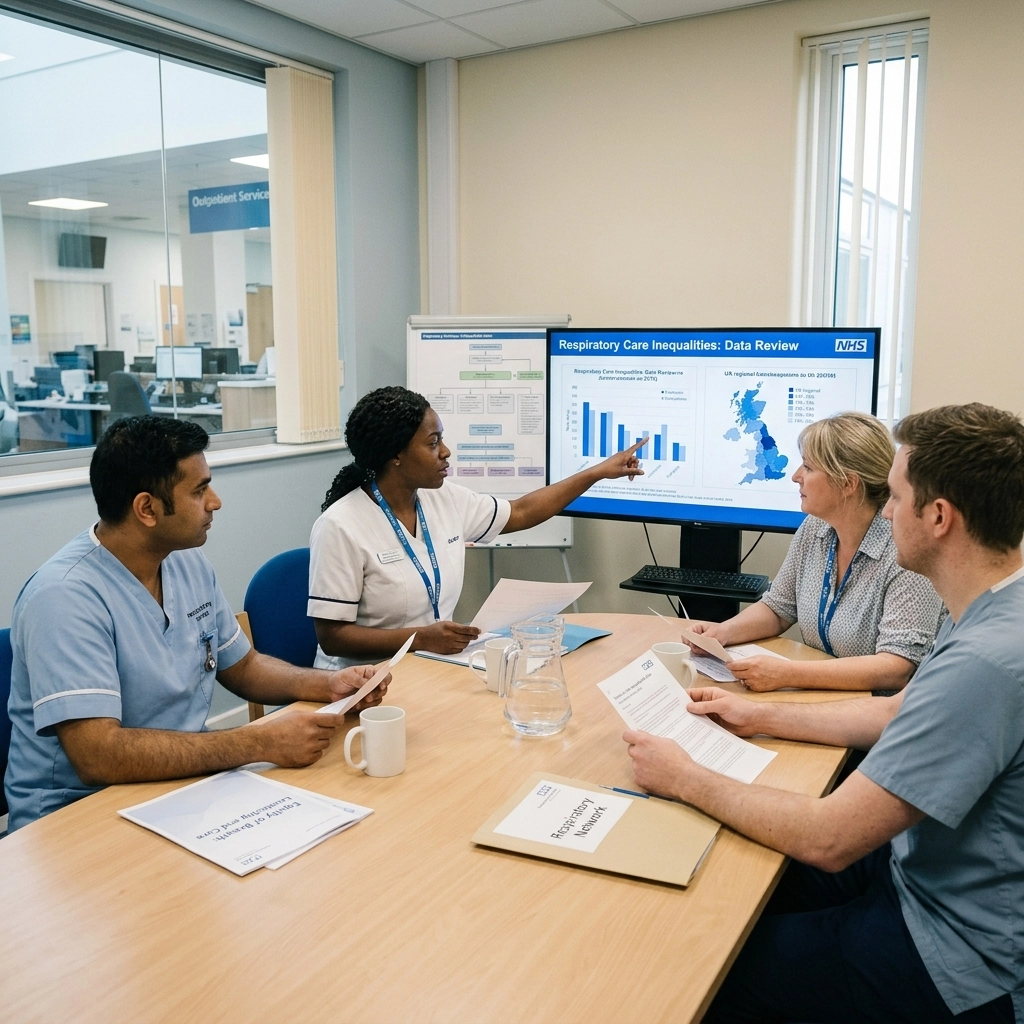
At The Respiratory Network, we believe that the best way to solve these big systemic challenges is by getting the right people in the room. Whether you are a clinician on the front line, a director in Life Sciences, or someone with lived experience, your voice matters in shaping this new respiratory pathway.
We need to stop waiting for the diagnosis of 67 and start looking at the health of the 7-year-old. It’s a long game, but it’s the only one worth playing if we want to breathe easier as a nation.
A note from our team:
Please note: The information in this blog is for educational and networking purposes only. It is not intended to be a substitute for professional medical advice, diagnosis, or treatment. Always seek the advice of your physician or other qualified health provider with any questions you may have regarding a medical condition.
Join the Network
Are you passionate about shifting the needle on respiratory care? We’d love for you to get involved with our community.
- Become a Member: Join a growing network of professionals dedicated to respiratory excellence. Register here.
- Join the Discussion: Head over to our Forums to share your thoughts on early intervention.
- Follow Our Journey: Stay up to date with the latest insights and news by following our News Feed.
- Attend an Event: Our next Round Table event takes place on 24th of June. Find out more on the Event page.
Together, we can bridge the gap between policy and practice and ensure that lung health is a priority from day one.


Responses