

From Policy to Pathways: What the NHS 10-Year Health Plan Could Mean for Respiratory Care

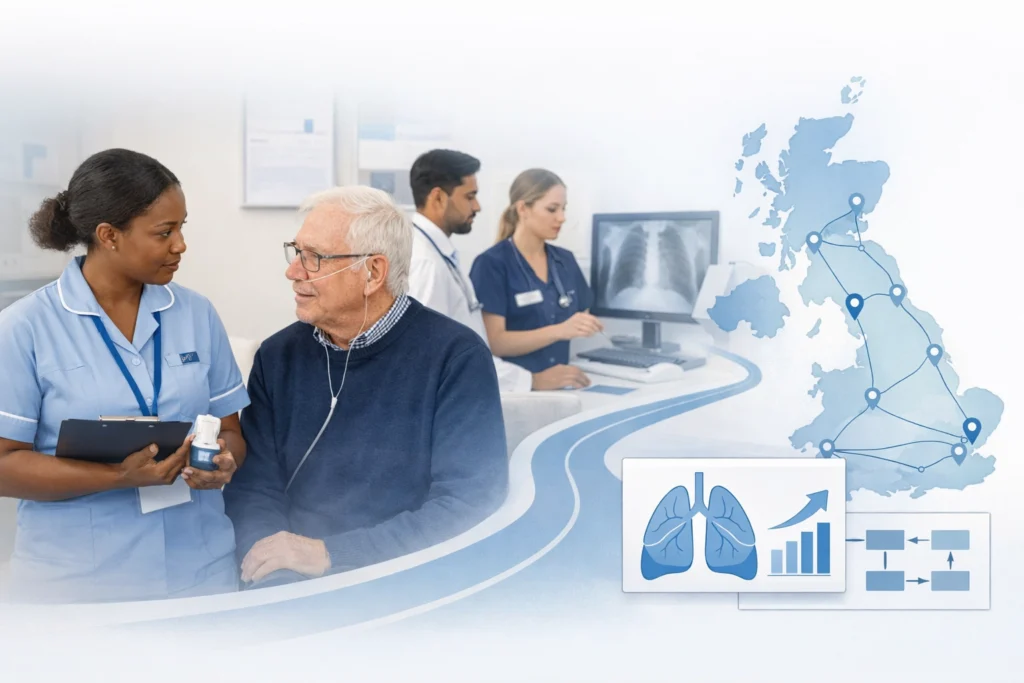
The NHS 10-Year Health Plan landed with all the weight you’d expect from a document meant to reshape the health service. But for those working in respiratory care, whether you’re managing a COPD clinic in Coventry, designing patient pathways for a pharmaceutical company, or living with asthma yourself, the question isn’t what the plan says. It’s what it actually means on the ground.
This isn’t about political promises or headline-grabbing commitments. It’s about understanding how three big strategic shifts, moving care from hospitals to communities, embracing digital innovation, and pivoting from treatment to prevention, will reshape how respiratory conditions are diagnosed, managed and funded over the next decade.
Why Respiratory Care Features So Prominently
One in five people in the UK will need treatment for a lung condition in their lifetime. Respiratory disease sits at the heart of some of the NHS’s most persistent challenges: health inequalities, avoidable hospital admissions, and the strain on emergency services.
The 10-Year Health Plan explicitly names respiratory care as a priority area for tackling health disparities. This isn’t surprising. Respiratory illness disproportionately affects communities already facing economic hardship, poor housing, and limited access to preventive care. If the plan is serious about reducing inequalities, improving respiratory outcomes isn’t optional, it’s foundational.

Three Shifts That Matter
The plan is built around three overarching themes. Each one has direct implications for how respiratory services will need to adapt.
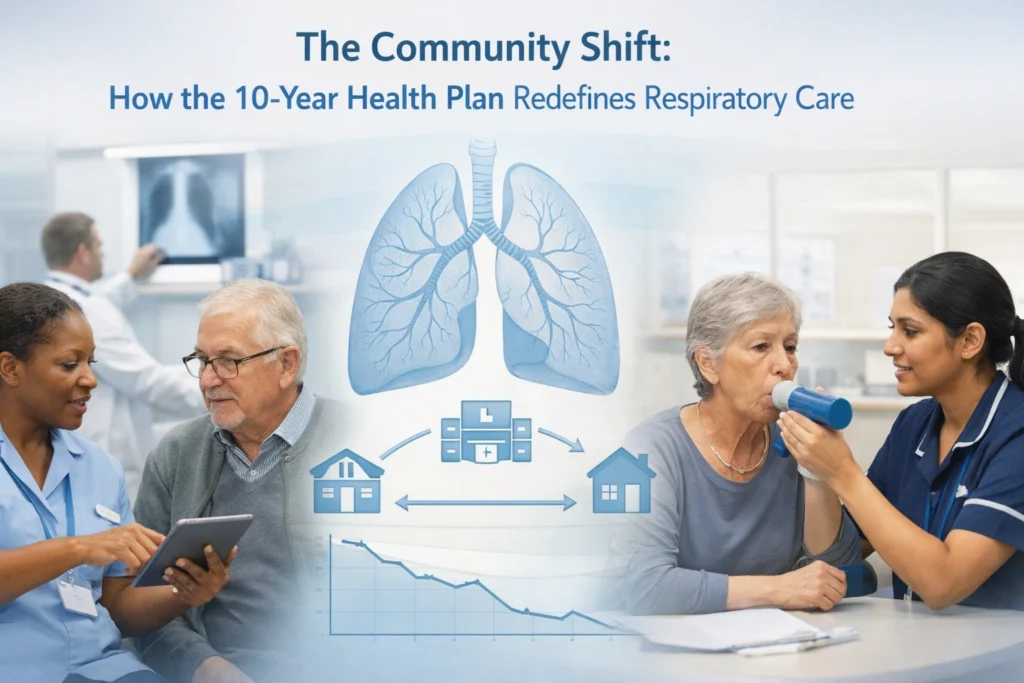
From Hospital to Community
For decades, much of respiratory care has been reactive. A patient deteriorates, ends up in A&E, gets admitted, stabilises, and is discharged: often without the wraparound support needed to prevent the cycle repeating.
The shift toward neighbourhood health models changes that logic. The plan envisions multidisciplinary teams managing long-term conditions, mental health, and frailty closer to where people live. For respiratory patients: many of whom experience comorbidities like anxiety, depression, or cardiovascular disease: this integrated model could be transformative.
In practice, this means respiratory nurses working alongside mental health practitioners, social prescribers, and community pharmacists. It means spirometry delivered in a local health hub rather than a hospital 40 minutes away by bus. It means care that wraps around the patient, not the other way around.
But it also means pressure. Community services are already stretched. Without adequate workforce investment and protected funding, the risk is that “shifting to community” becomes code for “doing more with less.”
From Treatment to Prevention
Smoking cessation sits front and centre of the plan, and rightly so. Smoking remains the single biggest driver of preventable respiratory disease in the UK. The commitment to rolling out comprehensive stop-smoking support, particularly in deprived areas, could prevent thousands of COPD diagnoses over the coming decade.
But prevention goes beyond smoking. The plan’s emphasis on early diagnosis and proactive case-finding creates space for respiratory teams to identify patients before crisis point. Lung cancer screening for people with a smoking history is being fully rolled out. Spirometry access is being expanded. The infrastructure for quality-assured diagnostics is being strengthened.
What patients and clinicians often describe is a system that waits too long. By the time someone with COPD is diagnosed, they’ve often been symptomatic for years. Prevention, in this context, means diagnosing earlier, managing more assertively, and intervening before lung function declines irreversibly.

Digital Innovation and Access
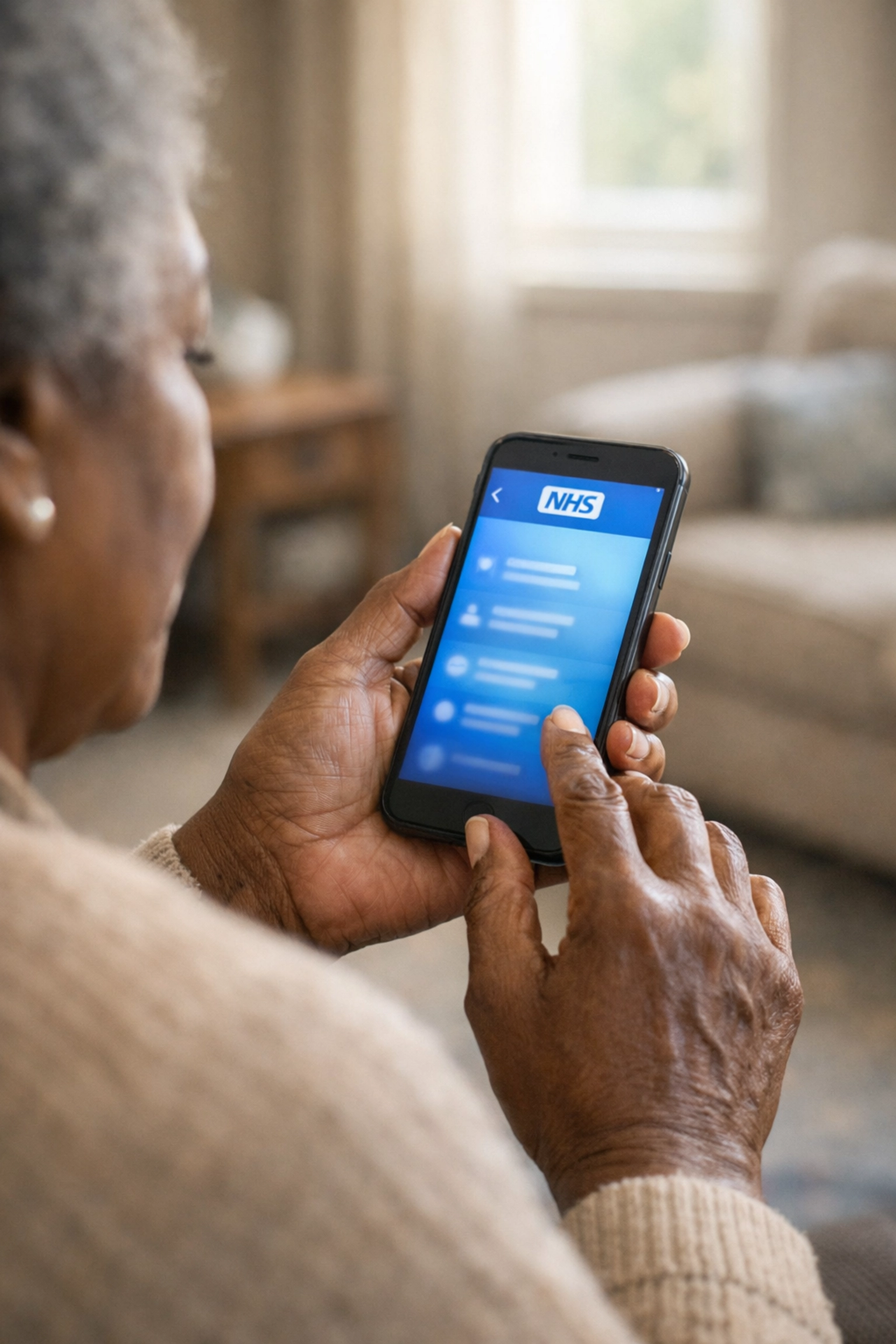
The NHS App is being positioned as a front door to care. Patients will be able to self-refer to services, book appointments, and access test results without waiting for a GP letter or referral.
For respiratory care, this could mean faster access to pulmonary rehabilitation, spirometry, or specialist review. It could mean patients with worsening symptoms flagging concerns through digital monitoring rather than waiting until breathlessness becomes unbearable.
But digital access isn’t evenly distributed. The same communities most affected by respiratory disease are often those with the least digital literacy, the poorest broadband, and the most barriers to engaging with app-based services. If digital innovation widens rather than narrows the gap, the plan risks entrenching the inequalities it claims to address.
What This Means for the People Delivering Care
For NHS respiratory leads, the plan offers both opportunity and challenge. There’s recognition that respiratory care needs investment. There’s commitment to integrated models and preventive work. There’s acknowledgment that the current system isn’t working for too many people.
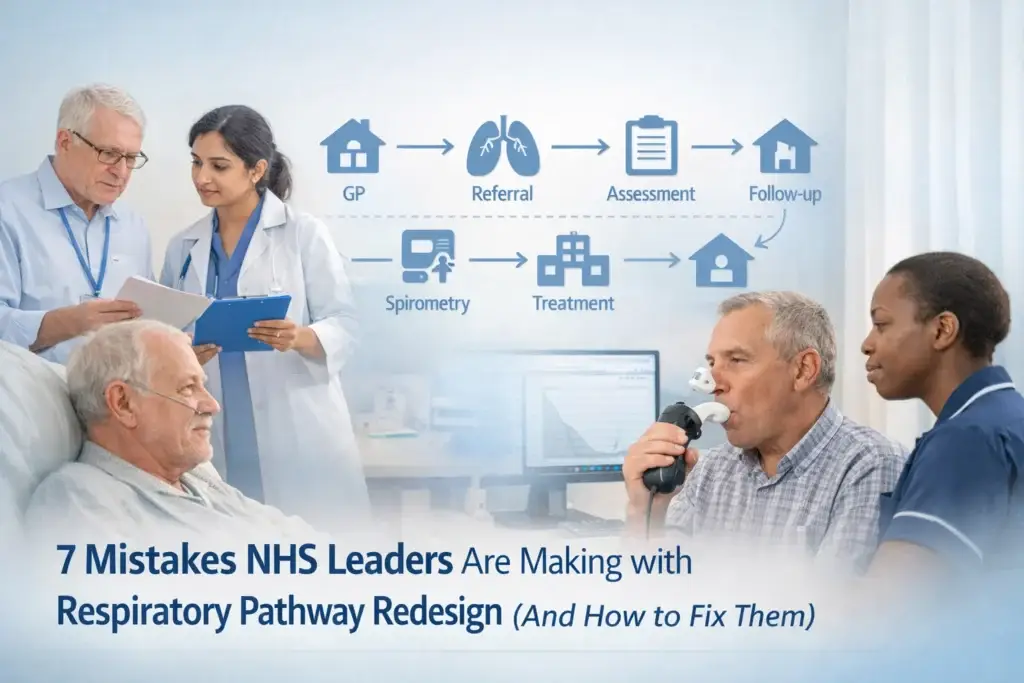
But recognition doesn’t automatically translate into resource. Integrated care systems are being tasked with delivering these shifts, often with budgets that haven’t kept pace with demand. Workforce shortages in respiratory nursing, physiotherapy, and specialist roles remain acute. The gap between policy ambition and operational reality is real.
What this looks like on the ground is respiratory teams trying to design new pathways while still firefighting the old ones. It’s clinical leads being asked to implement prevention strategies without backfill for staff attending training. It’s the constant negotiation between what the plan promises and what the budget allows.
What This Means for Life Sciences
For industry, the 10-Year Health Plan offers a chance to move beyond transactional relationships. The shift toward integrated care, early diagnosis, and community-based management creates demand for new models of partnership.
Pharmaceutical companies and medical device manufacturers aren’t outside this system: they’re part of it. The question is whether the next decade sees genuine co-design of pathways, shared outcome measures, and collaboration that goes beyond sponsorship and marketing.
There’s appetite within the NHS for these deeper partnerships, particularly around diagnostics, remote monitoring, and patient education. But it requires a different approach. Less “here’s our product,” more “here’s the problem we’re trying to solve together.”
What This Means for Patients
For people living with asthma, COPD, or other respiratory conditions, the promise is care that’s closer to home, more preventive, and more joined up.
That means fewer hospital admissions. It means earlier diagnosis. It means support that doesn’t stop at the clinic door. It means not having to repeat your story to six different professionals who don’t talk to each other.
But promises need delivery. And delivery depends on whether the workforce, funding, and infrastructure follow the policy intent.
The Reality Check
The 10-Year Health Plan is a serious document with serious ambition. It names respiratory care as a priority, identifies the right strategic shifts, and acknowledges the scale of health inequality.
But plans don’t deliver themselves. The NHS has published ambitious strategies before. What matters now is whether integrated care systems, clinical teams, industry partners, and patient advocates can translate policy into practice.
That means asking hard questions. It means holding systems to account. It means sharing what’s working and being honest about what isn’t.
What Happens Next
The respiratory community: across the NHS, Life Sciences, and patient advocacy: has a role in shaping how this plan unfolds. Not through passive observation, but through active engagement.
At The Respiratory Network, we’re committed to creating the space for those conversations. Whether you’re designing pathways in an integrated care system, developing solutions in industry, or living with a respiratory condition, your insight matters.
Our upcoming Round Table 2026 will bring together NHS leaders, Life Sciences partners, and clinical innovators to discuss exactly these questions. What does integrated respiratory care actually look like? How do we make prevention work in practice? Where are the real opportunities in the 10-Year Health Plan?
If you’re not already part of the network, register here to stay connected to the people shaping respiratory care across the UK.
Because the 10-Year Health Plan isn’t just about policy. It’s about pathways. And pathways are built by people like you.
Responses