

Rising-Risk COPD: How to Spot the “Hidden” Patients Before the Next Hospital Admission

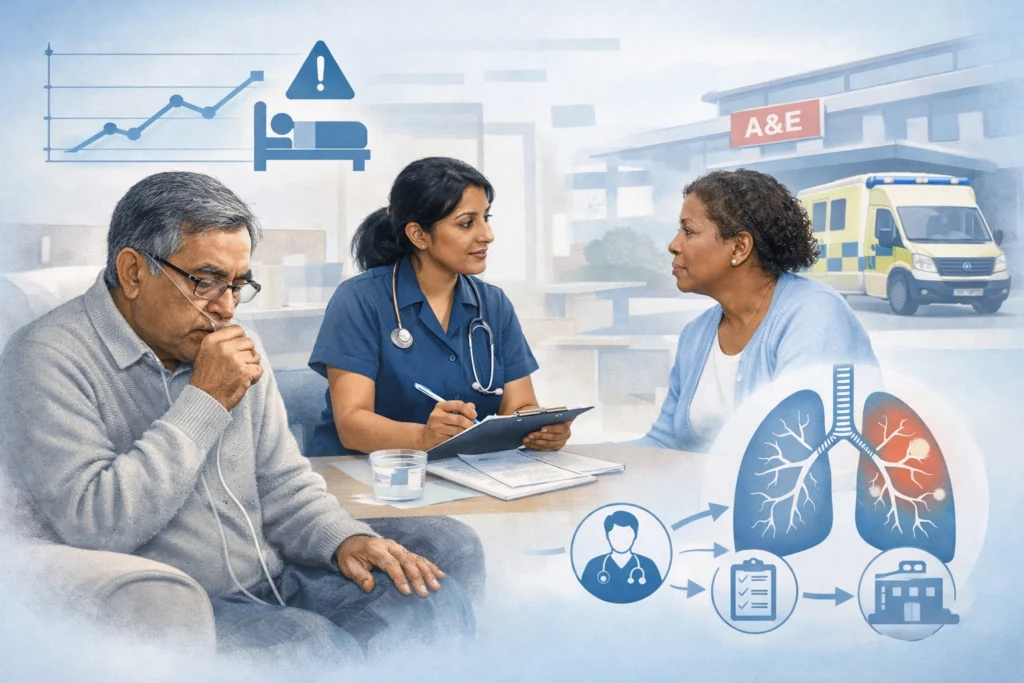
There's a patient somewhere in your ICB who will be admitted with acute COPD exacerbation in the next three months. Right now, they're probably at home. They might have seen their GP recently. They almost certainly don't think of themselves as high-risk.
This isn't speculation. It's the reality that NHS respiratory leads and Life Sciences partners describe when we talk about the gap between the COPD patients we know about and the ones we don't see coming.
An estimated 12 million adults in the UK may have undiagnosed COPD, largely because symptoms don't tend to show up until significant lung damage has already occurred. By the time someone presents in crisis, we've missed months or years of opportunity to intervene earlier, support better, and avoid the admission altogether.
So what does "rising-risk" actually look like before it becomes an emergency?
The Warning Signs That Precede the Crisis
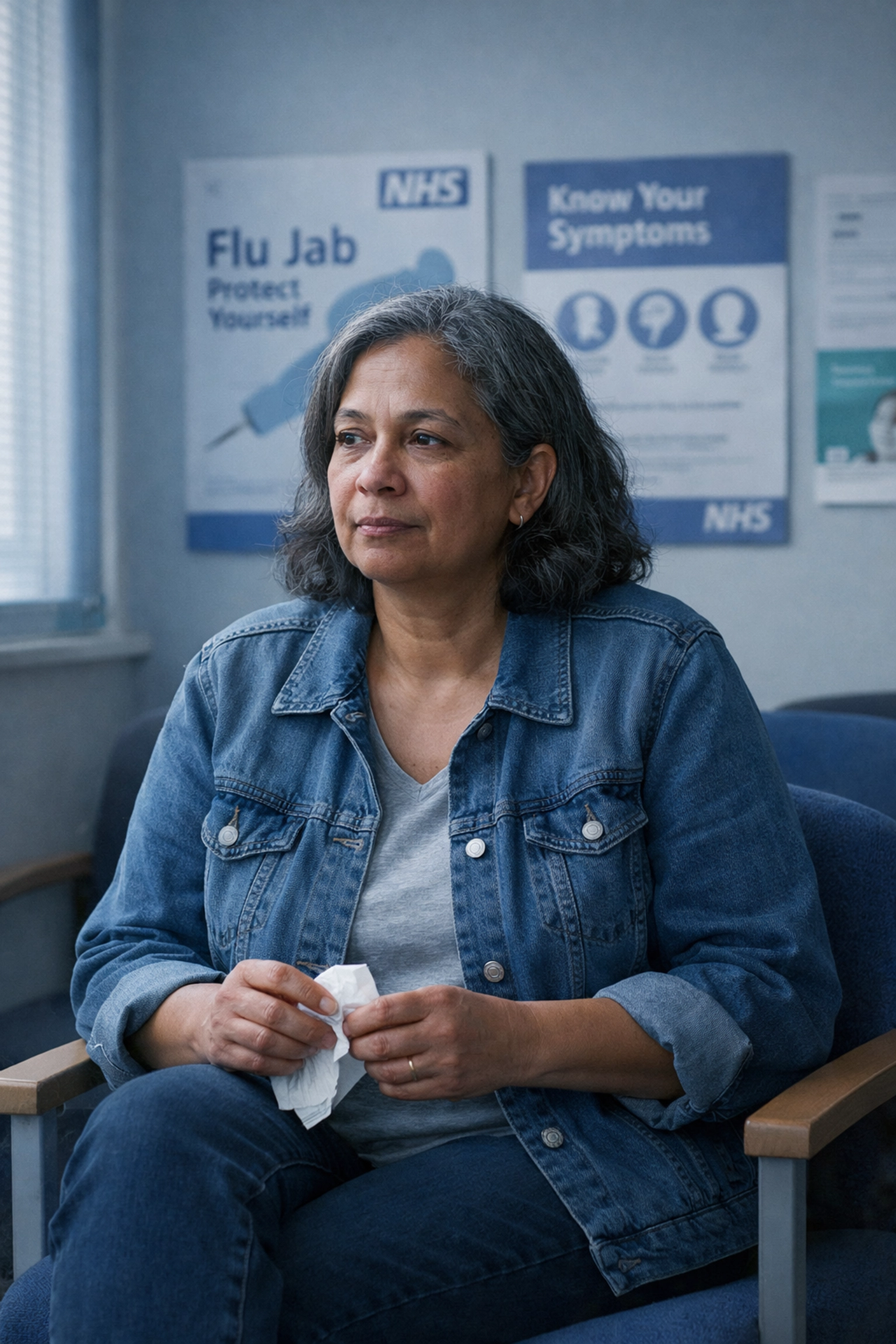
The challenge with identifying rising-risk COPD patients is that the early signs are rarely dramatic. They're subtle, easily dismissed, and often attributed to something else entirely.
In practice, what patients and clinicians often describe includes:
A persistent cough that produces mucus , sometimes written off as "smoker's cough" or a winter bug that never quite cleared. It's easy to normalize, especially if it's been there for months.
Shortness of breath during routine activities , not during a half marathon, but getting dressed, walking to the car, or climbing a single flight of stairs. When breathlessness starts showing up in daily life rather than just exertion, it's a flag.
Noisy breathing , wheezing, whistling, or squeaking sounds that patients might mention in passing or not mention at all because they've learned to live with it.
Chest tightness , difficulty taking a full breath, a sense of heaviness or discomfort that lingers without an obvious cause.
Increased fatigue , not the tiredness that comes from a busy week, but the kind that suggests tissues aren't getting the oxygen they need.
None of these symptoms individually sound like a red alert. Together, in the right context, they're a pattern.
Who's Most at Risk?
Some patient groups carry significantly higher likelihood of undiagnosed or poorly controlled COPD. Understanding risk profiles helps systems prioritize where to look.
Current or former smokers remain the primary risk group, but exposure to secondhand smoke during childhood or adolescence also elevates long-term risk. Occupational and environmental exposures, including biomass fuel and air pollution, are increasingly recognized as contributors, particularly in certain demographics and regions.
Genetic predisposition and abnormal lung development also play a role, though these are less commonly part of routine risk stratification in primary care.
What this looks like on the ground is a combination of case-finding in at-risk cohorts and listening more carefully when patients present with respiratory symptoms that don't fit neatly into asthma or acute infection.
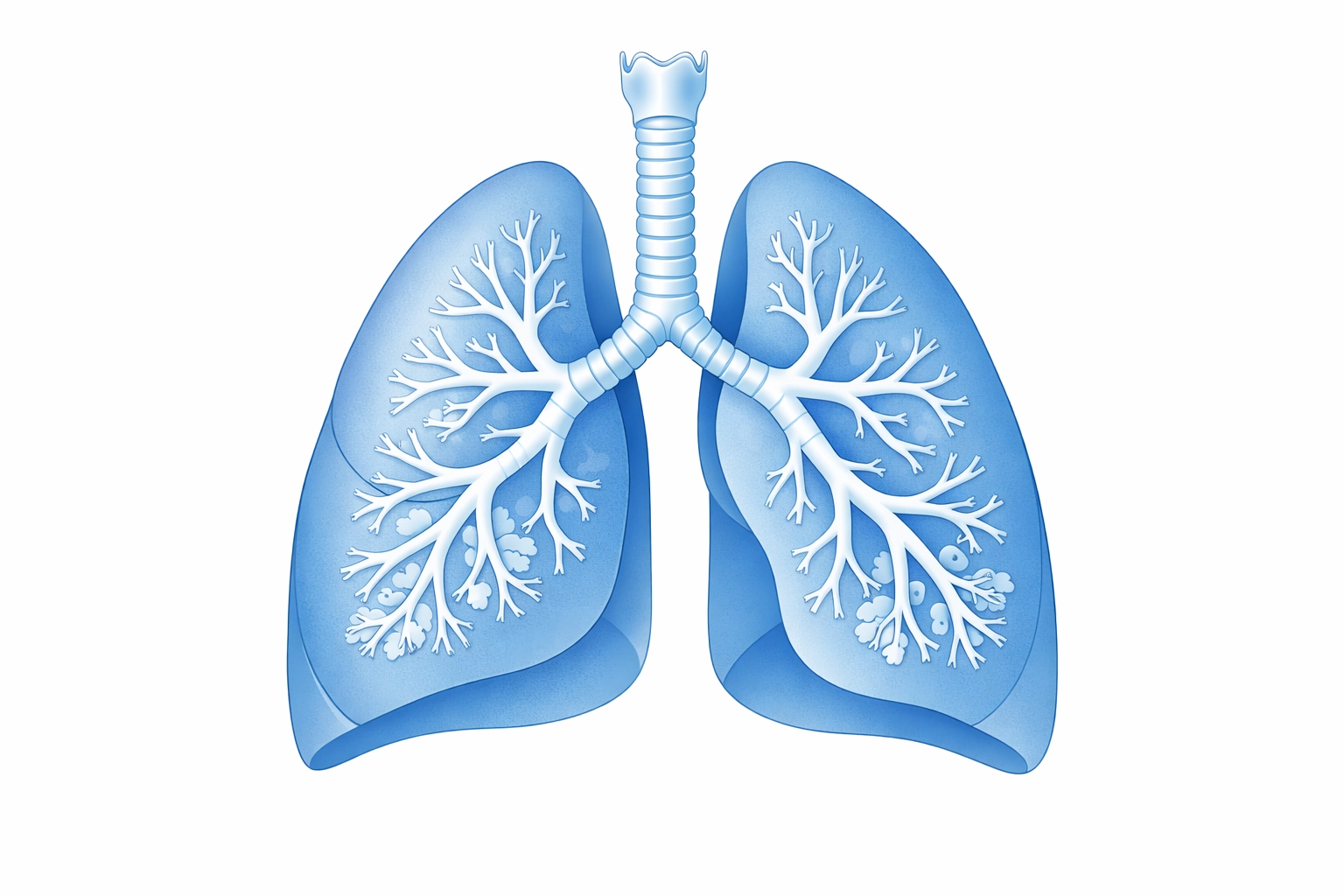
Spotting the Shift Toward Exacerbation
Once a COPD diagnosis exists, the question becomes: how do we recognize when stable becomes unstable?
Exacerbations typically develop over days, not minutes. Patients describe a gradual worsening rather than a sudden collapse. The difficulty is that many patients, particularly those managing alone or without regular clinical contact, don't always recognize the shift or know when to escalate.
Common indicators of deterioration include:
Breathing difficulties at rest , struggling to catch breath even without activity is a clear departure from baseline and suggests acute worsening.
Increased cough frequency and changes in mucus , more mucus, thicker mucus, or a change in color can signal infection or inflammation.
Fever , particularly when it appears alongside respiratory symptoms, this often indicates a respiratory infection triggering exacerbation.
Chest tightness or pain , requires urgent evaluation to rule out cardiac complications or severe pulmonary events.
Blue or gray lips and nails , a sign of dangerously low oxygen levels that demands immediate intervention.
Rapid heartbeat without exertion , the body compensating for reduced oxygenation.
Confusion or slurred speech , indicating cerebral oxygen deprivation and a medical emergency.
The gap between "I'm struggling a bit more this week" and "I need an ambulance" can be days. That window is where intervention can prevent admission.
What Systems Can Do Differently
Early detection and proactive management significantly reduce exacerbation frequency and hospitalization risk. Exacerbations are often triggered by identifiable factors: cold air, air pollution, respiratory infections, even strong smells. Patients who understand their triggers and have access to timely clinical support are less likely to deteriorate to the point of needing emergency care.
In practice, this means:
Better risk stratification in primary care , identifying patients with symptom patterns that suggest undiagnosed or under-managed COPD, particularly in high-risk groups.
Clearer escalation pathways , ensuring patients know when to contact their GP or respiratory team rather than waiting until they can't breathe.
Proactive outreach during high-risk periods , winter months, pollution alerts, or during local infection outbreaks. A simple phone call or text reminder can prompt earlier intervention.
Linking primary, community, and secondary care data , so that rising-risk patients are visible across the system, not just within individual service silos.
This isn't about creating new services. It's about using the data, insight, and relationships that already exist more strategically.

The Life Sciences Perspective
For Life Sciences partners, understanding rising-risk COPD is about more than product placement. It's about designing support, education, and solutions that fit the reality of how patients move through pathways.
Patients with undiagnosed or inadequately controlled COPD represent a significant opportunity for early intervention, but reaching them requires collaboration with primary care, community respiratory teams, and patient advocacy groups. That means moving beyond transactional relationships into genuine pathway co-design.
What NHS leaders consistently say they need from industry is practical support for:
- Case-finding tools that don't add admin burden
- Patient education resources that are clear, accessible, and culturally appropriate
- Training for non-specialist staff to recognize deterioration earlier
- Technology that integrates with existing systems rather than requiring parallel workflows
The conversation shifts from "what can we sell?" to "what does this pathway actually need to function better?"
Where Do We Go From Here?
Spotting hidden rising-risk COPD patients before the next hospital admission isn't a technical problem. It's a systems problem. We have the clinical knowledge, the diagnostic tools, and the treatment options. What we often lack is the connection between the patient experience, the primary care response, and the wider system visibility.
Closing that gap requires collaboration. It requires NHS leaders, Life Sciences partners, and people with lived experience sitting in the same room, looking at the same data, and asking the same question: what are we missing, and how do we find it earlier?
That's the conversation The Respiratory Network exists to facilitate.
Want to be part of the solution? Join our next expert roundtable where NHS leaders and Life Sciences partners discuss practical approaches to early identification and pathway improvement. Register here or become a member to access our community of respiratory professionals working to close these gaps every day.
This blog provides system-level insight and is not clinical advice. For clinical guidance on COPD diagnosis and management, please refer to NICE guidelines and local clinical pathways.

Responses