

Lungs and Landlords: Why Housing and Air Quality are Critical for NHS Respiratory Services

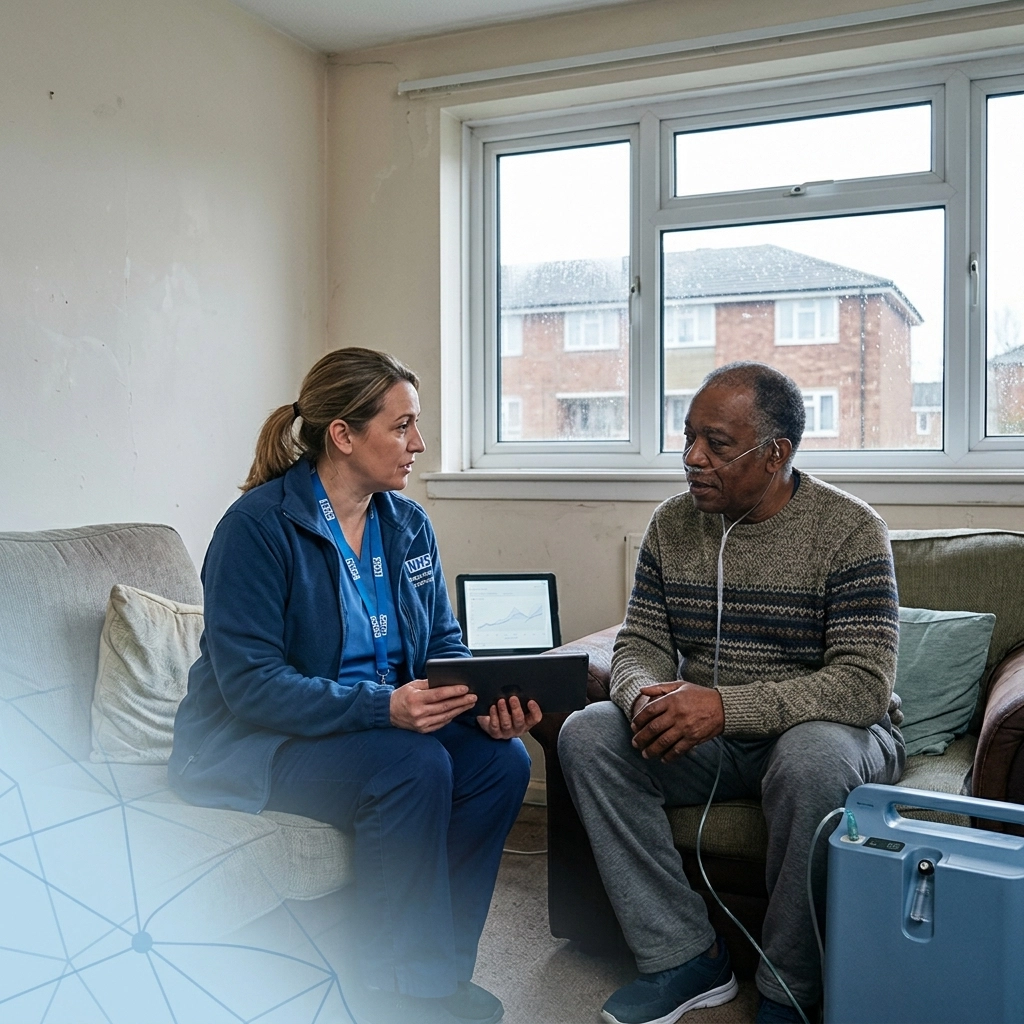
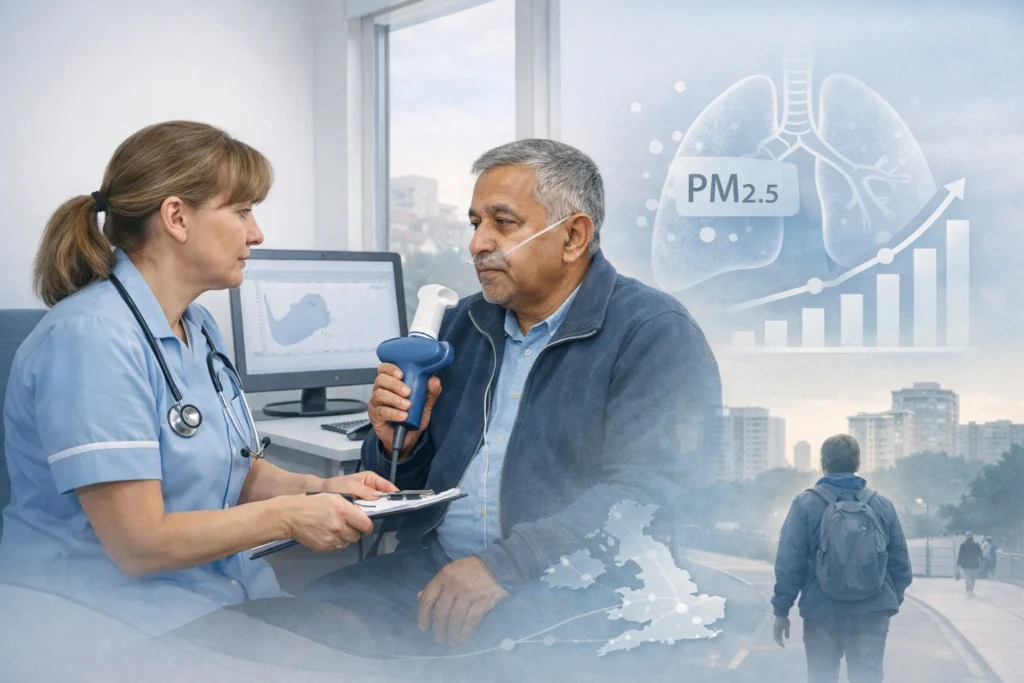
When we talk about respiratory health UK, we usually spend a lot of time looking at clinical pathways, diagnostic delays, and the latest in inhaler technology. But there is a massive factor that often gets left at the clinic door: the four walls our patients go home to.
As clinicians and industry experts, we can prescribe the most effective therapies in the world, but if a patient is going home to a flat that is damp, freezing, or filled with mould, we are essentially trying to put out a fire while someone else is pouring petrol through the letterbox.
In this post, we’re diving into why housing is a clinical issue, not just a social one, and how Integrated Care Systems (ICSs) can start to bake environmental factors into the very heart of NHS respiratory services.
The Biology of the Building: Beyond the Clinic
Let’s be honest: for a long time, housing was seen as "someone else’s problem." It sat in the "Social Determinants of Health" bucket, something to be acknowledged with a sigh, but rarely acted upon in a clinical setting. However, the reality on the ground is that the environment is a direct driver of exacerbations.
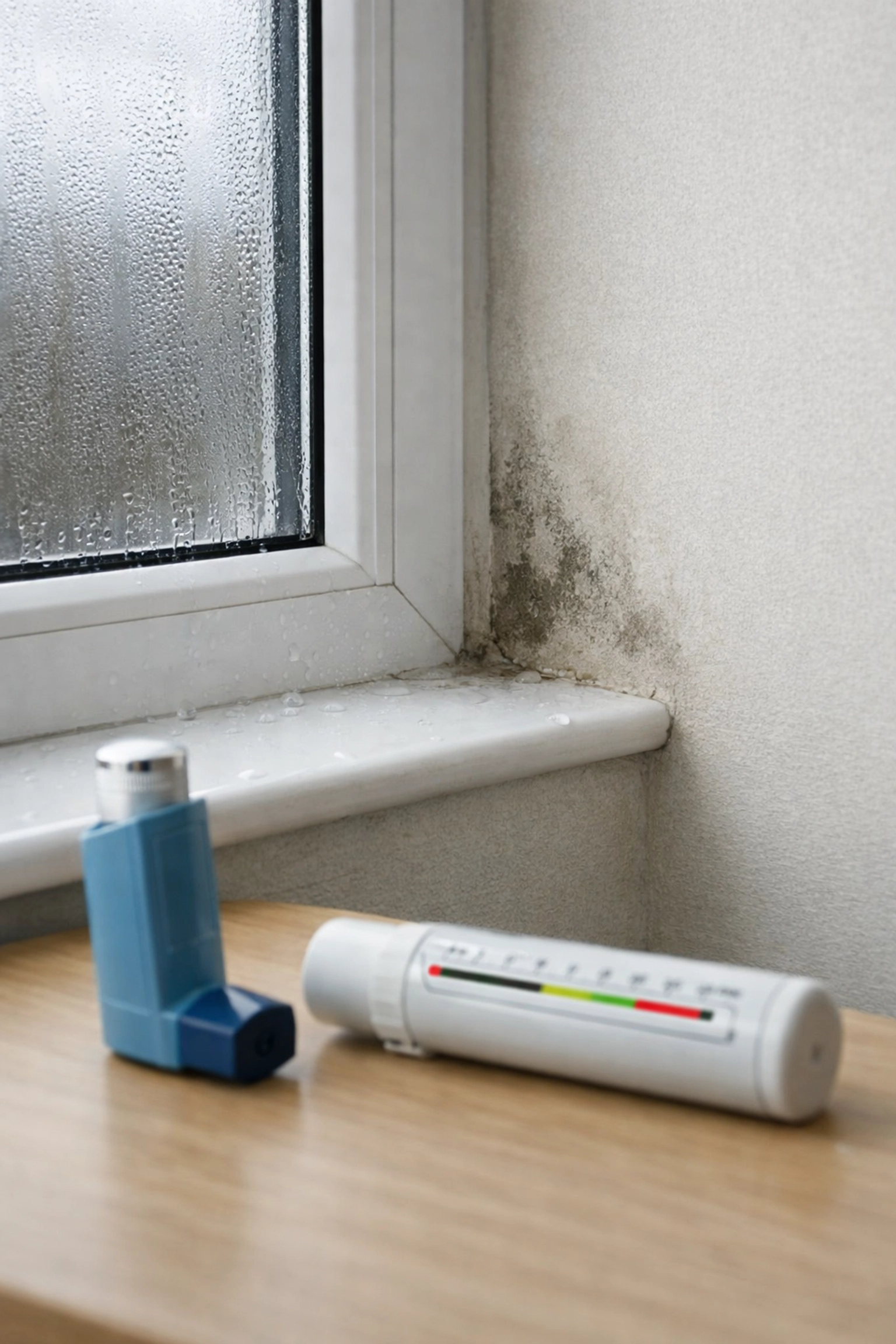
Damp and mould aren’t just aesthetic issues; they are biological triggers. Mould spores are potent allergens. When a patient with asthma or COPD inhales these spores, it triggers an inflammatory response that no amount of medication can fully suppress if the exposure is constant. In practice, we see this as the "revolving door" patient, the person who responds well to treatment in the ward but ends up back in A&E three weeks after being discharged.
Then there is the issue of cold. Fuel poverty is a major, yet often silent, driver of winter respiratory admissions. When a home is too cold, the lungs have to work harder. Cold air can trigger bronchoconstriction, and for those already struggling with limited lung function, a drop in indoor temperature can be the tipping point that leads to a crisis.
The "Heat or Breathe" Dilemma
We often talk about patient adherence as if it’s a simple choice. But for many people living in lower socioeconomic areas, the choice isn't between taking their meds or not; it’s between "heating or eating," or more accurately, "heating or breathing."
If a patient cannot afford to keep their home above 18°C, their respiratory health will suffer. We know from research that cold housing raises blood pressure and increases the risk of respiratory infections. For the NHS, this translates into thousands of excess winter deaths and a significant spike in emergency admissions.
In the East of England alone, it’s estimated that poor housing costs the NHS roughly £2.5 billion annually. When you look at those numbers, it becomes clear that investing in housing isn't just a "nice to do", it’s a financial necessity for a system under pressure. You can explore more about how these factors intersect in our Health Inequalities section.
The Allergic Connection: A "One Airway" Approach
One thing we’ve been discussing lately is the "One Airway" approach, the idea that you can’t treat the lungs in isolation from the rest of the respiratory tract. Allergies play a huge role here.
Substandard housing is a breeding ground for allergens, from dust mites in damp carpets to mould in the corners of the ceiling. For a child with "allergic march," these early exposures can shape their respiratory health for a lifetime. If we aren’t addressing the source of these allergens (the home), we are missing a trick in achieving long-term asthma control.
Why the Status Quo is Failing
Currently, our systems are siloed. A GP might recognise that a child’s asthma is being worsened by mould, but their ability to influence a landlord or a local council is often limited. Meanwhile, housing associations might be dealing with repair backlogs without knowing which of their tenants are most clinically vulnerable.
The tragic case of Awaab Ishak in 2020 served as a wake-up call for the UK. It highlighted that the gap between clinical observation and housing action can be fatal. Since then, there’s been a push for better legislation, but the clinical pathway integration is still lagging behind.
How ICSs Can Shift the Needle
This is where Integrated Care Systems (ICSs) have a massive opportunity. Because ICSs are designed to bring together health, social care, and local authorities, they are the perfect vehicle for integrating housing into respiratory pathways.
What does this look like on the ground? Here are three ways we can start making it a reality:
1. Data Sharing Across Silos
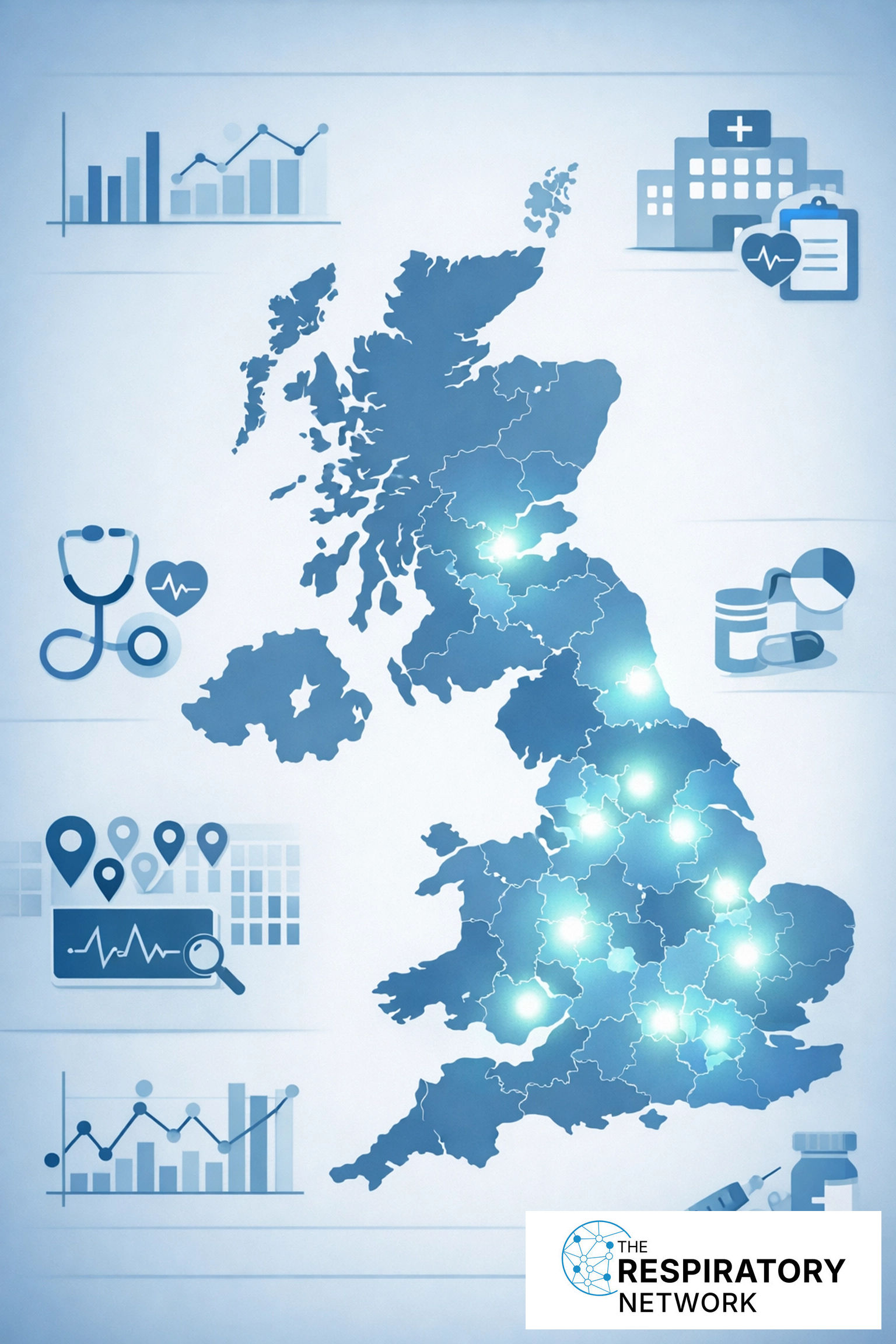
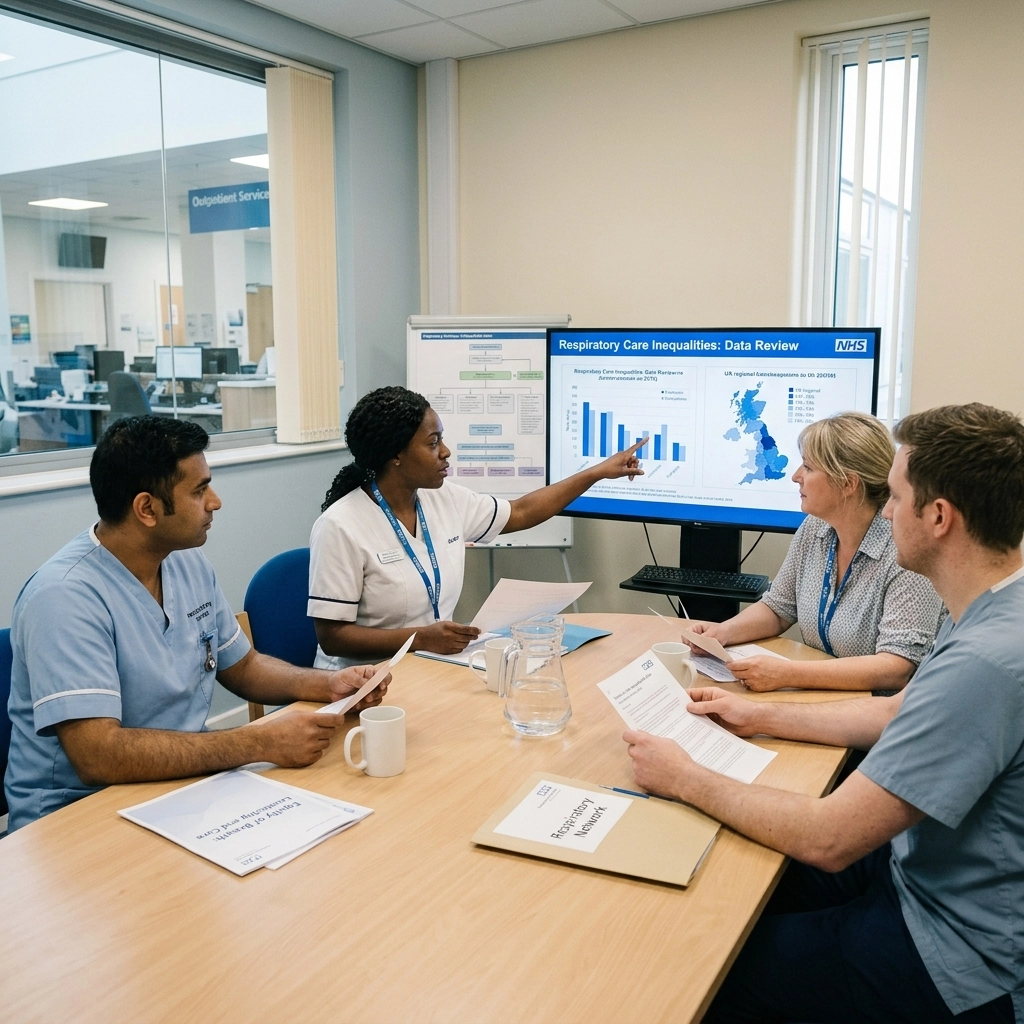
Imagine if an ICS could overlay NHS data on respiratory admissions with local authority data on housing conditions and fuel poverty. We could proactively identify "hotspot" buildings or streets where the environment is driving high clinical need. Instead of waiting for the patient to show up in A&E, we could target those homes for retrofitting, insulation, or mould remediation.
2. Social Prescribing with Teeth
Social prescribing is a great start, but it needs to go beyond "join a local walking group." A respiratory-focused social prescription should be able to trigger a home energy assessment or a fast-tracked housing repair. We need a direct link between the respiratory nurse and the housing officer.
3. Environmental Screening in Clinical Assessments
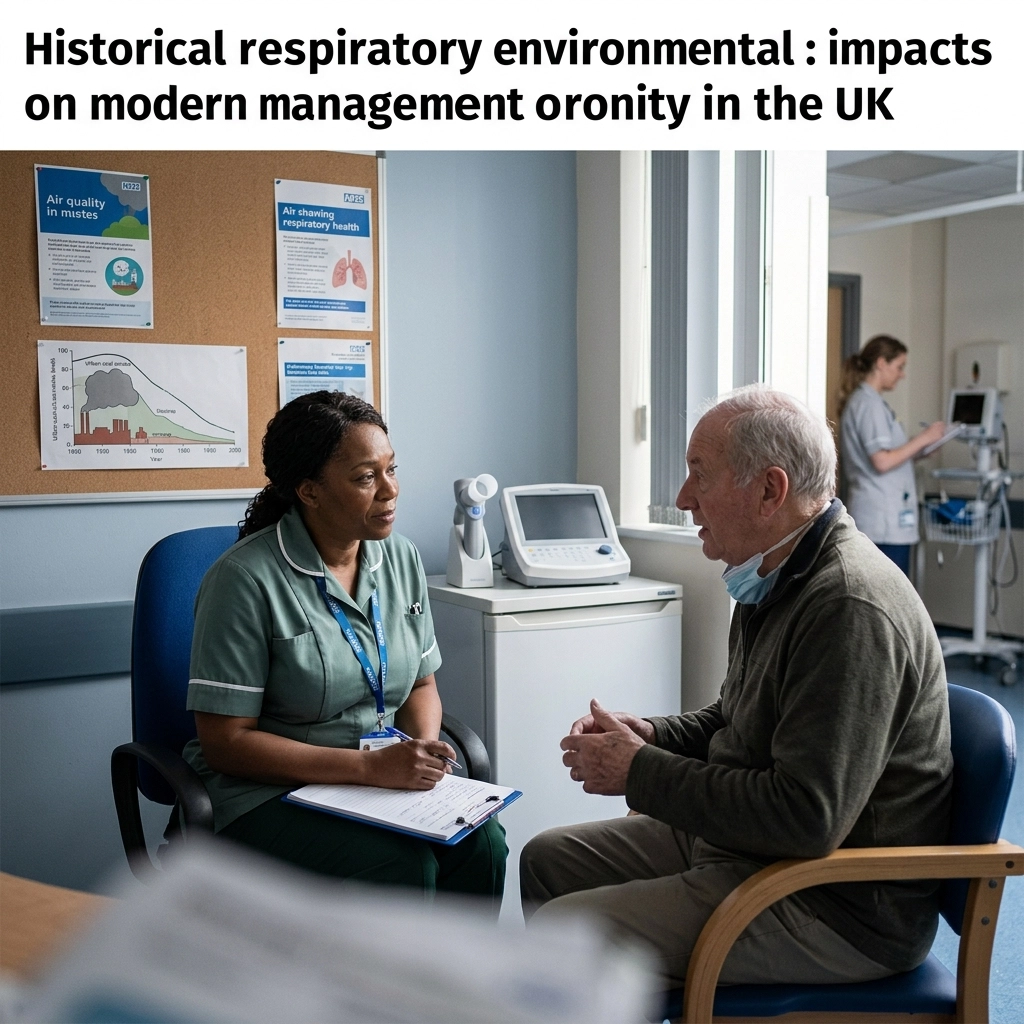
Should environmental factors be part of a standard respiratory review? Many clinicians already ask, "Is your home damp?" but often feel they can’t do much with the answer. By formalising this in the pathway, we ensure the data is captured and can be used to advocate for the patient.
The Role of Life Sciences and Innovation
It isn’t just about the NHS and the government. Life Sciences and MedTech can play a part here too. We are seeing incredible innovation in digital monitoring, smart inhalers that can track where and when a patient is using their rescue medication.
If that data shows a spike every time a patient is at home, but not when they are at work or school, that is a powerful piece of evidence. It’s no longer just the patient’s word against the landlord’s; it’s objective data. Supporting these kinds of Life Sciences & Innovation projects can help bridge the gap between the environment and the clinic.

What Patients and Clinicians Often Describe
We often hear from clinicians that they feel "helpless" when they see a patient’s health being undermined by their living conditions. On the flip side, patients often feel that the medical system doesn’t understand the reality of their lives. They aren’t "non-adherent" because they are lazy; they are struggling to manage a complex condition in a house that makes them sick.
By acknowledging these environmental factors, we validate the patient’s lived experience and build a more trusting relationship. It moves the conversation from "Why aren't you using your inhaler?" to "How can we make your environment safer for your lungs?"
Moving Toward a "Healthy Homes" Pathway
The goal for any modern NHS respiratory services strategy should be to ensure that the respiratory pathway doesn't stop at the hospital exit. We need to move toward a "Healthy Homes" model where housing is seen as a clinical intervention.
Investing in better insulation and damp-proofing might actually be one of the most cost-effective "respiratory treatments" we have. It’s a long-term game, but with the pressure the NHS is under, we can’t afford to keep ignoring the foundations of our patients' health.
Join the Conversation
This is a complex topic that touches on ethics, policy, and clinical practice. We want to hear from you, whether you're an NHS leader, a clinician on the front line, or working in Life Sciences.
- How is your ICS tackling the link between housing and health?
- Have you seen a "social prescribing" model that actually works for housing issues?
- What data do we need to make the case for housing investment as a clinical priority?
We’d love for you to share your thoughts in our Public Forum or join us at our next Round Table event. Let's work together to make sure that "breathing easy" isn't a luxury dependent on your postcode or your landlord.
A note on medical advice:
Please note: This blog post provides general information and discussion about respiratory health. The content provided in this blog, and in any linked materials, is not intended and should not be construed as medical advice. If the reader or any other person has a medical concern, he or she should consult with an appropriately-licensed physician or other health care worker.

Responses