

Lungs at Home: Why the Hospital Might Soon Come to Your Living Room

Disclaimer; The Respiratory Network provides information and insight for educational purposes only. This content does not constitute medical advice, diagnosis, or treatment. If you have questions about your health or symptoms, please speak to a qualified healthcare professional.
In practice, we often talk about the hospital as the center of the healthcare universe. It’s where the big machines live, where the specialists congregate, and where we head when things take a turn for the worse. But for people living with long-term lung conditions, the hospital can also be a place of stress, exhaustion, and: ironically: increased risk.
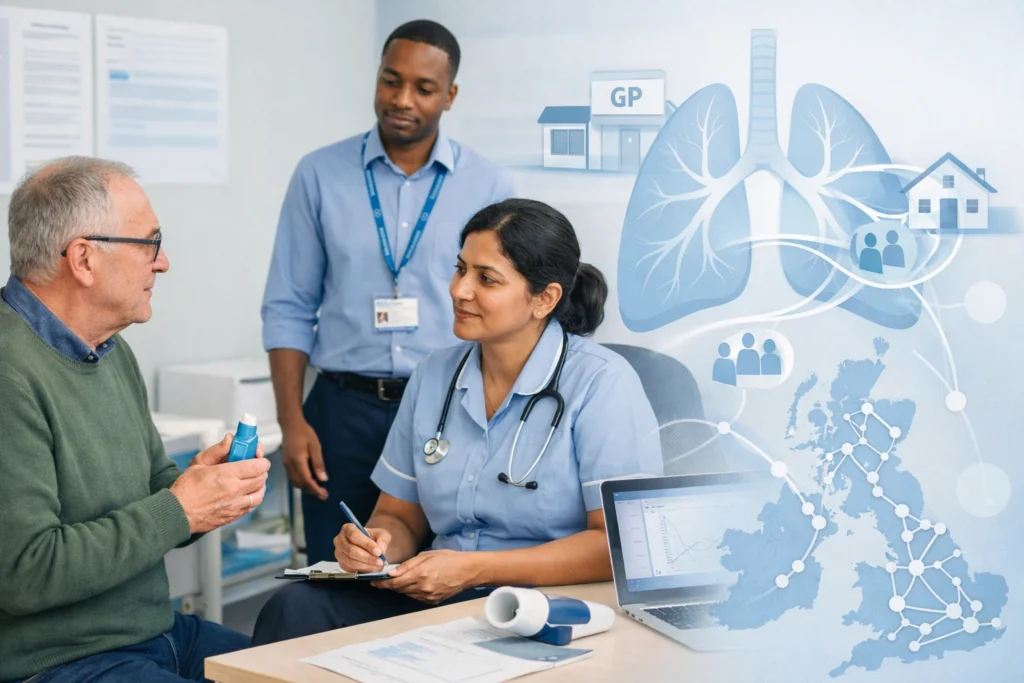
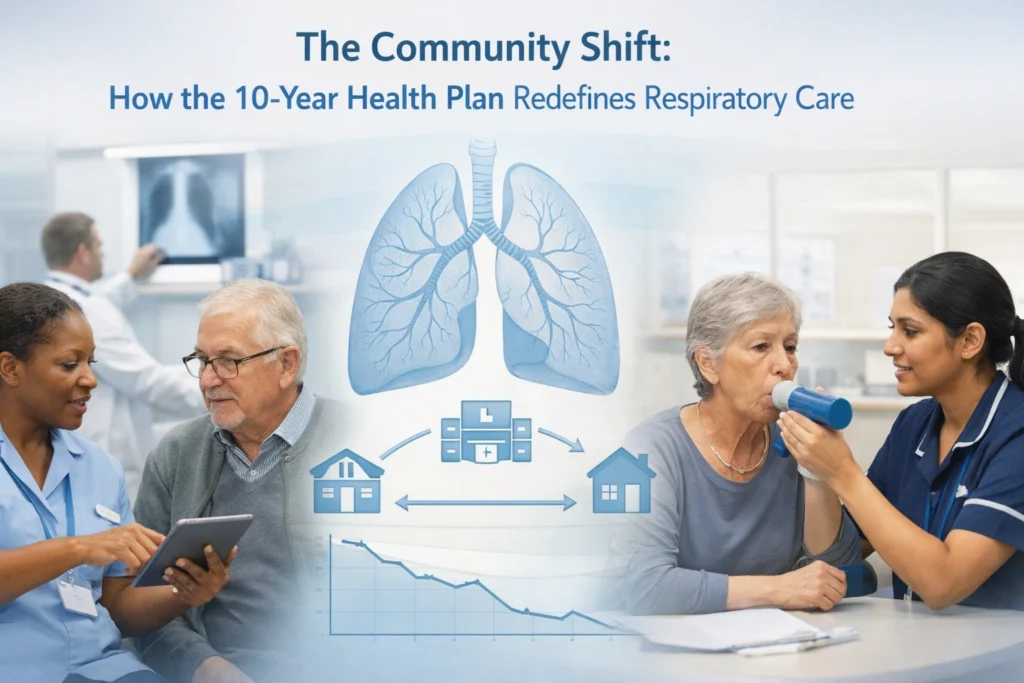
Recently, there has been a significant shift in the conversation. The UK is currently seeing a massive push toward what is being called the "Hospital at Home" model. A new £10 million Respiratory Transformation Partnership (RTP) is at the heart of this, with a clear goal: to move care out of the clinical corridors and into the community.
What this looks like on the ground is a change in where and how people receive support. It’s about bringing the expertise of the hospital into the comfort of the living room.
The £10 Million Shift
The investment in the Respiratory Transformation Partnership isn't just about more staff or new buildings. It’s a systemic nudge to rethink the entire journey of someone living with a respiratory condition. For years, the default has been "reactive" care: waiting until a crisis happens and then managing it in an emergency department.
The new funding is aimed at "proactive" community care. This means identifying people who might be struggling before they hit a crisis point. By investing in local community hubs and better diagnostic tools outside of the main hospital sites, the hope is to create a safety net that catches people early.
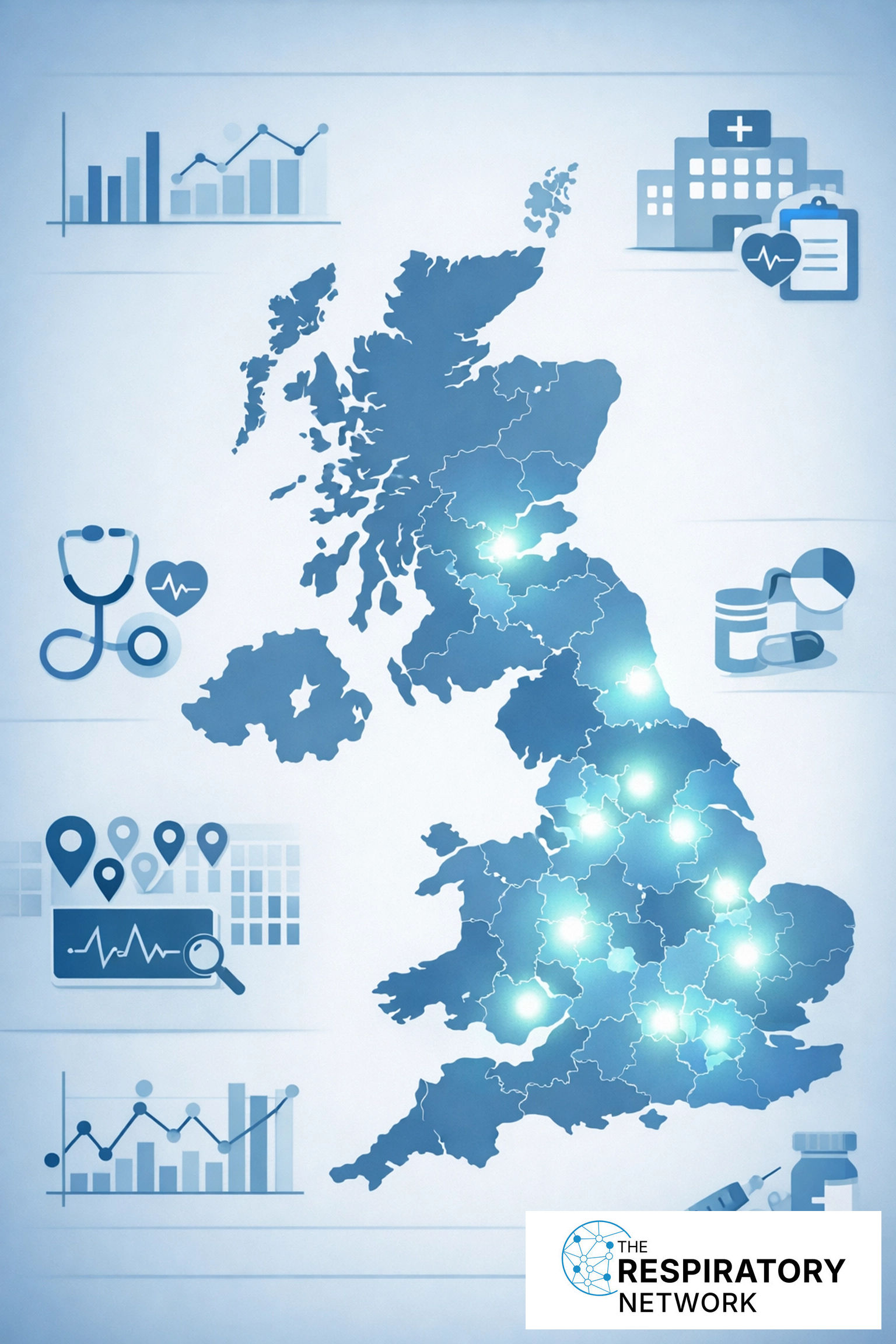
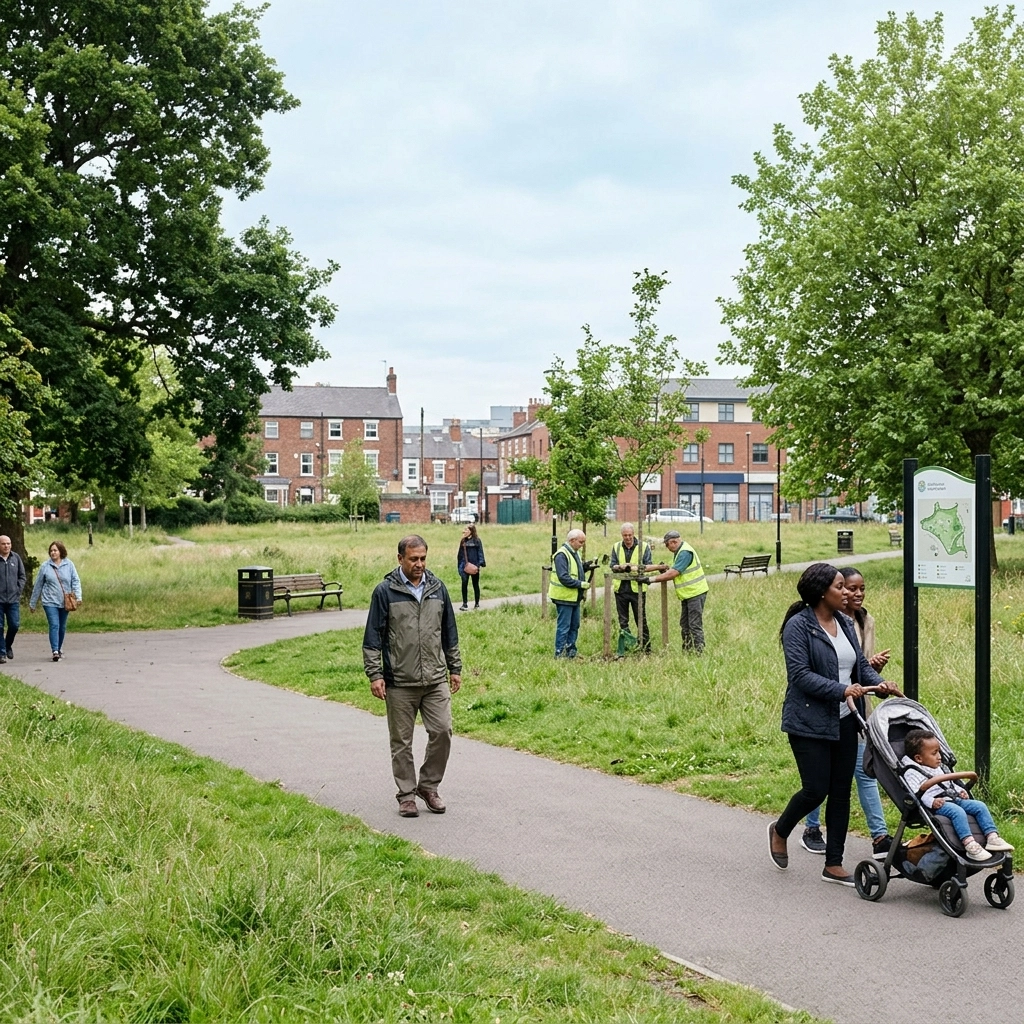
In regions like Staffordshire, we are already seeing how this works. Local projects are using targeted funding to work with charities and community groups. These groups aren't necessarily medical, but they provide the "wrap-around" support: like help with housing or heating: that prevents a lung condition from worsening in the first place. When the environment at home is stable, the lungs are often more stable too.
What is "Hospital at Home" anyway?
It sounds like a bit of a contradiction. How can a hospital: with all its complexity: fit inside a house?
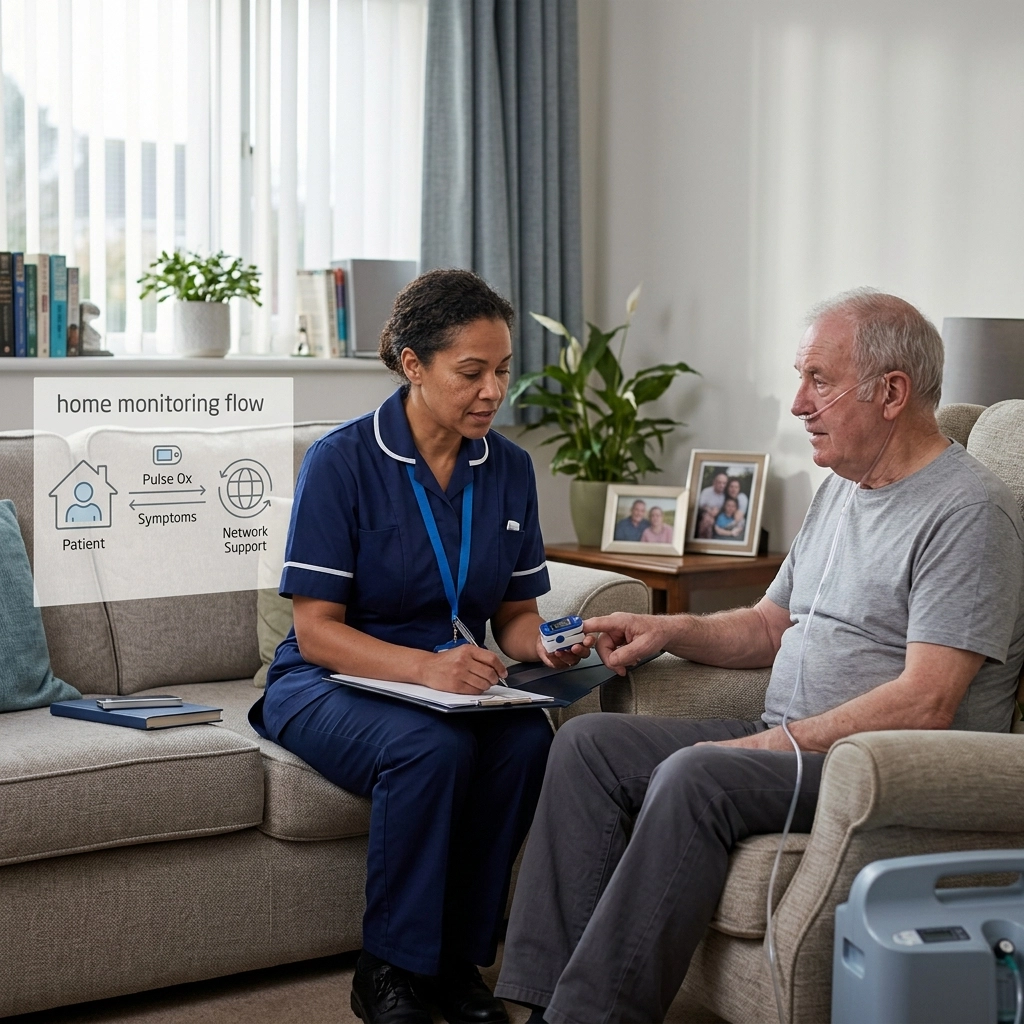
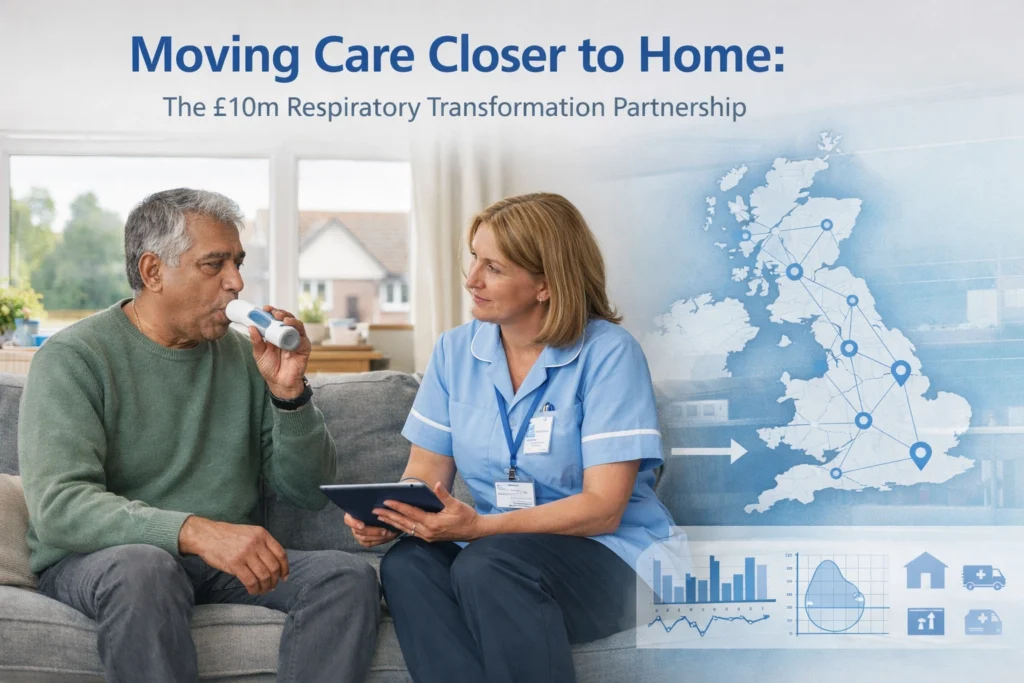
In reality, it’s about "virtual wards" and remote monitoring. Imagine being able to have your vital signs checked and your breathing monitored by a specialist team, but while you’re sitting in your favorite armchair with a cup of tea.
This model uses technology to bridge the gap. Patients are often given small, portable devices that can track oxygen levels, heart rate, and even how well their lungs are functioning. This data is then sent securely to a clinical team who can spot a dip in health long before the patient even feels it.
The benefits of staying put
From what patients and clinicians often describe, the benefits of staying home go far beyond convenience.
- Reduced Infection Risk: Hospitals are full of sick people. For someone whose immune system or lungs are already compromised, spending time in a ward can lead to secondary infections. Staying home keeps those risks at bay.
- Mental Wellbeing: There is no place like home for recovery. Sleep is better, food is familiar, and family is close by. This psychological comfort plays a massive role in physical health.
- Consistency of Care: Moving from home to hospital often breaks the routine. By keeping care at home, it’s easier to maintain those small daily habits that keep symptoms under control.

Visualizing a patient at home using a portable monitoring device while staying connected to their clinical team via a tablet or laptop.
Tech without the headache
We often hear the word "innovation" used as a buzzword, but in the respiratory world, it’s becoming very practical. We aren't talking about futuristic robots; we’re talking about tools that are easy to use and hard to get wrong.
For example, there has been a rise in the use of portable equipment that helps clear airways. In the past, this might have required a trip to a clinic for a specific session. Now, these tools are being designed for home use. They are smaller, quieter, and much more intuitive.
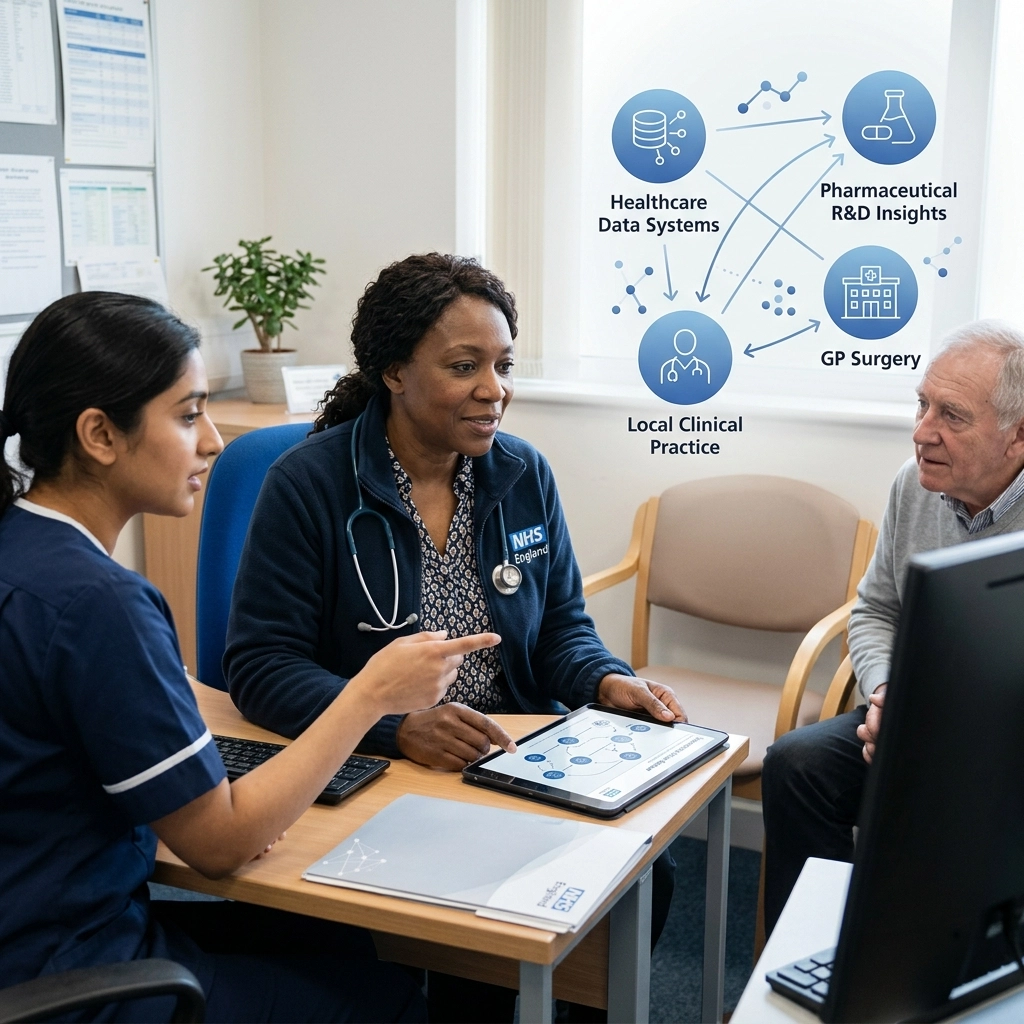
Similarly, the way people use their regular devices: like those used for monitoring breathing patterns: is being simplified. The focus is no longer just on the "gadget" but on how that gadget talks to the GP or the specialist. It’s about making the data useful, rather than just making more of it.
Easing the Pressure on the NHS
It’s no secret that the NHS is under immense pressure. By moving care into the community, we aren't just helping the patient; we are helping the system.
When a "virtual ward" takes a patient, it frees up a physical bed for someone who might need surgery or emergency trauma care. It allows clinicians to manage their time more effectively, focusing on the people who are most at risk while maintaining a "watchful eye" over those who are stable at home.
For Life Sciences and industry partners, this shift is equally important. It changes the way they design products. If a tool is going to be used in a kitchen rather than a clinic, it needs to be robust, simple, and reliable. It’s pushing the industry to think about the "lived experience" of the person using the device, rather than just the clinical specs.
Looking Ahead: June 24th
These changes aren't happening in a vacuum. They are being shaped by conversations between NHS leaders, patients, and industry experts. This is exactly what we focus on at The Respiratory Network.
We believe that the best way to improve care is to get everyone in the same room: or at the same table: to discuss what is actually working on the ground.
We are hosting our next Round Table event on the 24th of June 2026. This will be a chance to dive deeper into these community shifts and look at how the £10m investment is actually landing in different parts of the country. If you’re interested in how the pathway for respiratory care is changing, we’d love for you to join us.
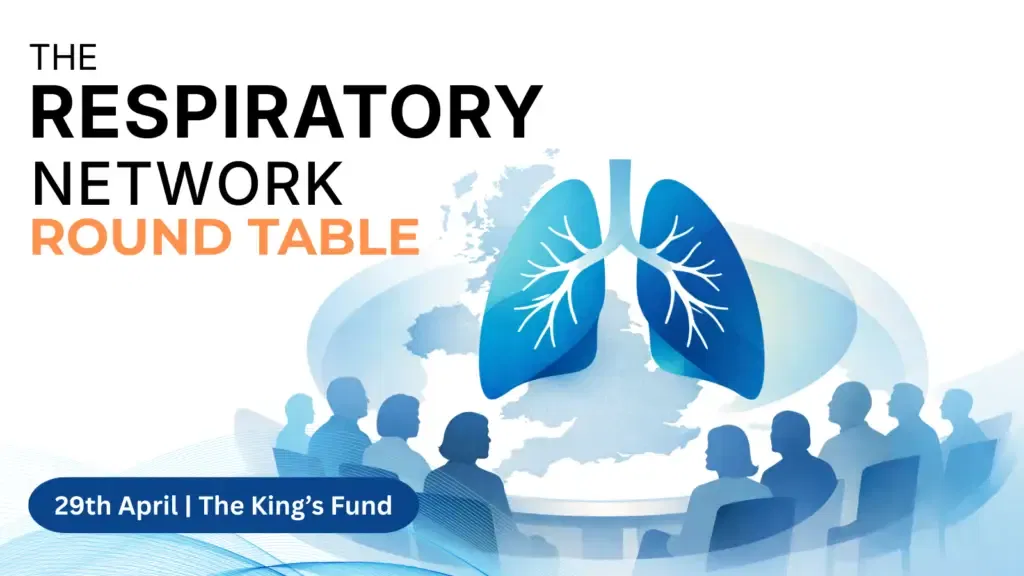
You can find all the details and secure your spot via the links below:
- Event Details: https://therespiratorynetwork.co.uk/event/round-table-2026/
- Register Here: https://therespiratorynetwork.co.uk/
Grounded in Reality
At the end of the day, "Lungs at Home" is about more than just technology or funding. It’s about dignity. It’s about the fact that most people don't want to be "patients": they want to be people living their lives, who just happens to have a lung condition.
The shift toward community care is a recognition of that. It’s an acknowledgment that the best place to manage a chronic condition is often where the person feels most themselves. As we move closer to June 24th, we look forward to exploring how we can all work together to make this "hospital at home" vision a reality for more people across the UK.
Whether you are a clinician working on the front line, a member of the Life Sciences community developing the next generation of tools, or someone with lived experience, your voice is a vital part of this network.
We hope to see you there.

Stay Connected:
For more updates, data insights, and community discussions, feel free to explore our News Feed.
Responses