

Better Together: Why Big Tech and Big Pharma are Finally Talking to Your Local GP


Disclaimer: The Respiratory Network provides information and insight for educational purposes only. This content does not constitute medical advice, diagnosis, or treatment. If you have questions about your health or symptoms, please speak to a qualified healthcare professional.
It is an interesting time to be looking at how we manage lung health in the UK. For a long while, it felt like the different parts of the system were working in silos. You had the technology companies developing apps and AI in one corner, the pharmaceutical industry creating new treatments in another, and your local GP surgery right in the middle, often trying to make sense of it all while under immense pressure.
But recently, the conversation has shifted. We are starting to see a much more joined-up approach. It is no longer just about a doctor prescribing a treatment or a tech company selling a gadget. Instead, there is a growing movement where "Big Tech" and "Big Pharma" are sitting down with local healthcare providers to figure out how data can actually help people breathe better, sooner.
This shift is a key part of what we are seeing with the new £10 million Respiratory Transformation Partnership (RTP). The goal is simple, even if the execution is complex: move care out of the big hospitals and back into the community. To do that, the system needs to get much better at spotting who needs help before they end up in an emergency room.
The Shift from Reactive to Proactive
In practice, much of our healthcare system has traditionally been reactive. We wait for someone to feel unwell, they book an appointment, and then we treat the symptoms. But for chronic lung conditions, waiting until someone is struggling for breath often means they are already in the middle of a crisis.
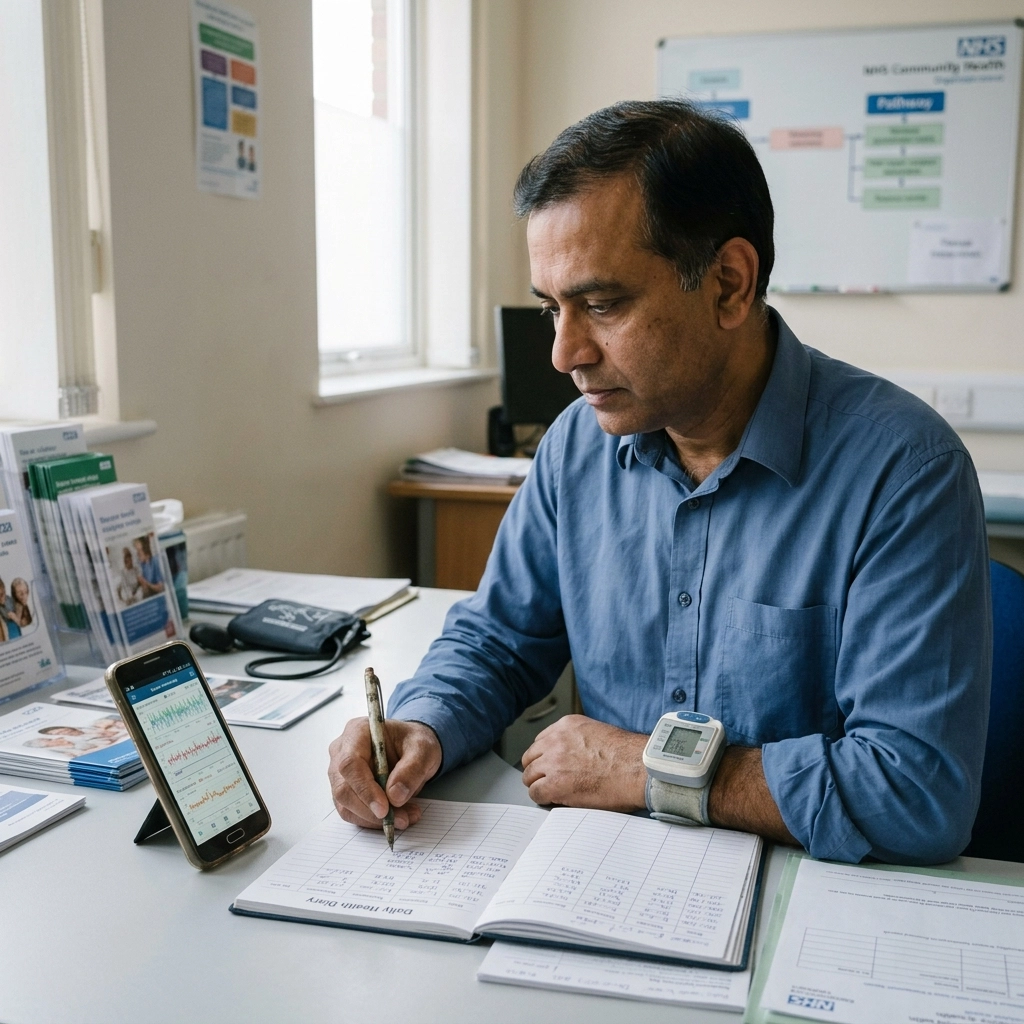
What happens when you bring data experts and clinical researchers into the same room as a primary care team? You start to see the potential for proactive care. By using digital tools to look at patient data, teams can identify patterns that a human eye might miss.
For example, a sudden increase in someone using their rescue inhaler or a series of missed appointments might seem like small details on their own. However, when a smart system flags these together, it allows a GP or a nurse to reach out and offer support before a minor issue becomes a major hospital admission.

Why Collaboration Matters for the Local GP
You might wonder why companies usually associated with global drug development or Silicon Valley software are suddenly interested in what’s happening at a local surgery in Staffordshire or Manchester.
The reality is that the best treatment in the world only works if it reaches the right person at the right time. For years, the "adherence gap": the difference between how a treatment is supposed to be used and how it is used in real life: has been a major hurdle.
By working together, tech and life sciences companies are helping GPs create "smarter" patient lists. Instead of a doctor having to manually sift through thousands of records to find high-risk patients, digital tools can do the heavy lifting. This doesn't replace the doctor's expertise; it simply gives them a better starting point. It allows them to focus their limited time on the people who need it most.
Seeing the Bigger Picture: The UK Landscape
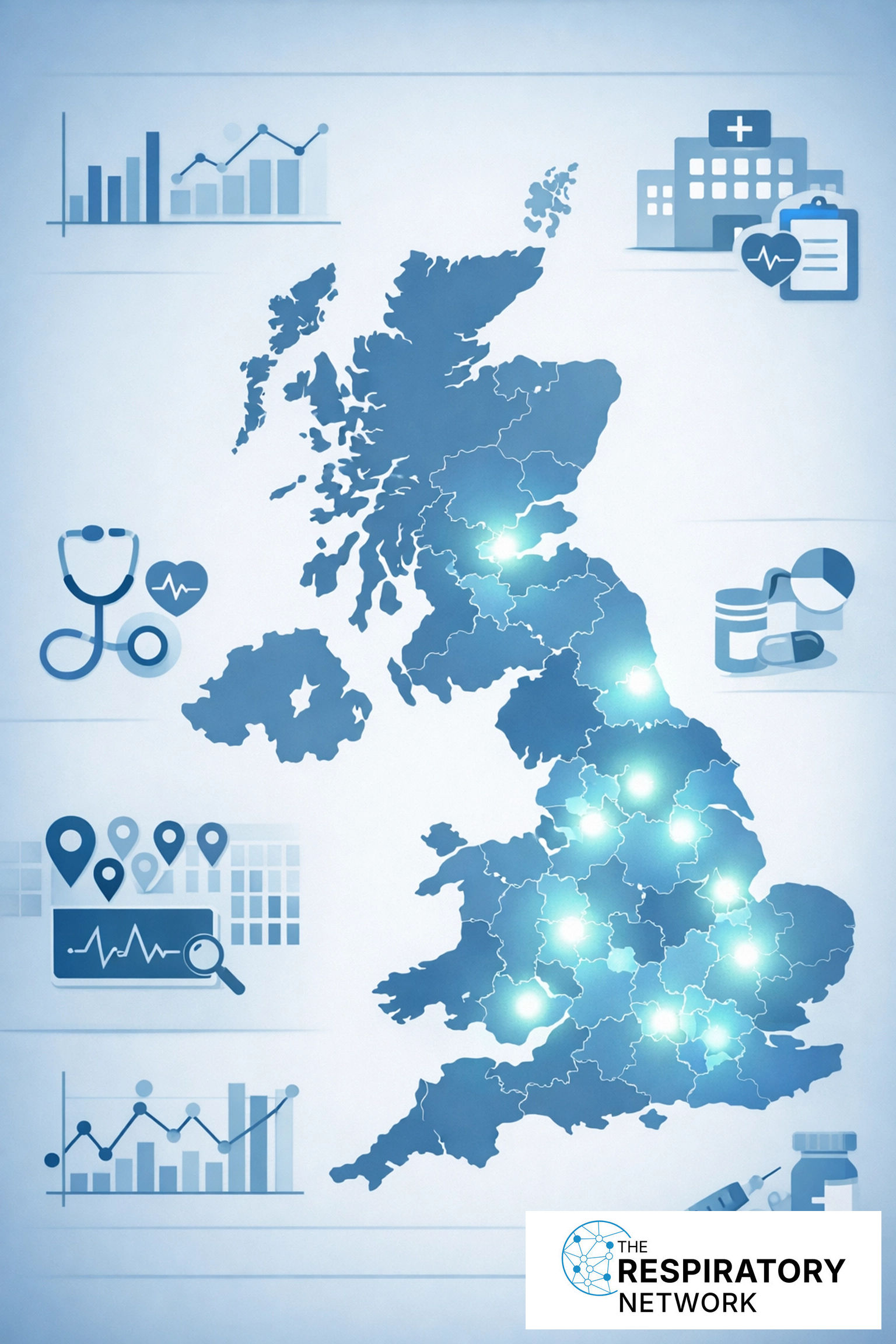
The push for this kind of connectivity isn't happening in a vacuum. It is being driven by a national recognition that the way we’ve always done things isn't sustainable. The UK map of respiratory care is changing, with regional centres becoming more interconnected than ever before.

In many parts of the country, especially in areas with a history of industrial work, the rates of lung conditions are much higher than the national average. In these communities, the "Better Together" approach is particularly vital. When we combine local knowledge with high-level data insights, we can start to address the health inequalities that have existed for decades.
It’s about understanding that health isn’t just about what happens in the clinic. It’s influenced by housing, air quality, and even the cost of heating a home. When tech companies and the pharmaceutical industry work with the NHS, they can start to pull in these different data points to build a more complete picture of a patient’s life.
Moving Care Closer to Home
One of the most exciting aspects of these new partnerships is the focus on community-based care. The recent investment in the Respiratory Transformation Partnership is specifically designed to prevent people from having to go into hospital unnecessarily.
What does this look like on the ground? It might be a community pharmacy providing more advanced diagnostic checks, or a local charity using data-driven insights to target their support to the most vulnerable households. It is a decentralised approach that relies heavily on everyone being on the same page.
For this to work, the data has to flow smoothly. The "Big Tech" role here isn't about fancy gadgets; it’s about the "plumbing" of the healthcare system: making sure that a specialist in a hospital, a GP in a surgery, and a nurse in the community are all looking at the same information.
A Non-Authoritative View on Innovation
At The Respiratory Network, we often hear from clinicians and industry leaders who are wary of the word "innovation." It’s a buzzword that is often overused. In our view, true innovation isn't always a brand-new invention; often, it’s just finding a better way for existing parts of the system to talk to each other.
The current collaboration between tech, pharma, and primary care feels different because it is more grounded in reality. There is a shared understanding of the pressures the NHS is under. No one is suggesting that a computer can replace a clinician, but there is a growing consensus that clinicians need better tools to handle the sheer volume of work they face.
We are seeing a move away from "one-size-fits-all" care. By using data to understand the specific needs of a local population, healthcare teams can tailor their services. This might mean more focus on smoking cessation in one area, or better management of environmental triggers in another.
Looking Ahead to June 2026
All of these threads: the data, the community focus, and the power of partnership: are coming together as we look toward the middle of the year. The landscape of lung health is evolving rapidly, and staying informed is the first step toward making a difference.
We believe that these conversations are too important to happen behind closed doors. They need to involve the people living with these conditions, the clinicians on the front line, and the industry partners providing the tools.
If you are interested in how these partnerships are shaping the future of care, we would love for you to join the conversation. We are hosting a special event where these very topics will be on the table.
Save the Date: Wednesday, 24th June 2026
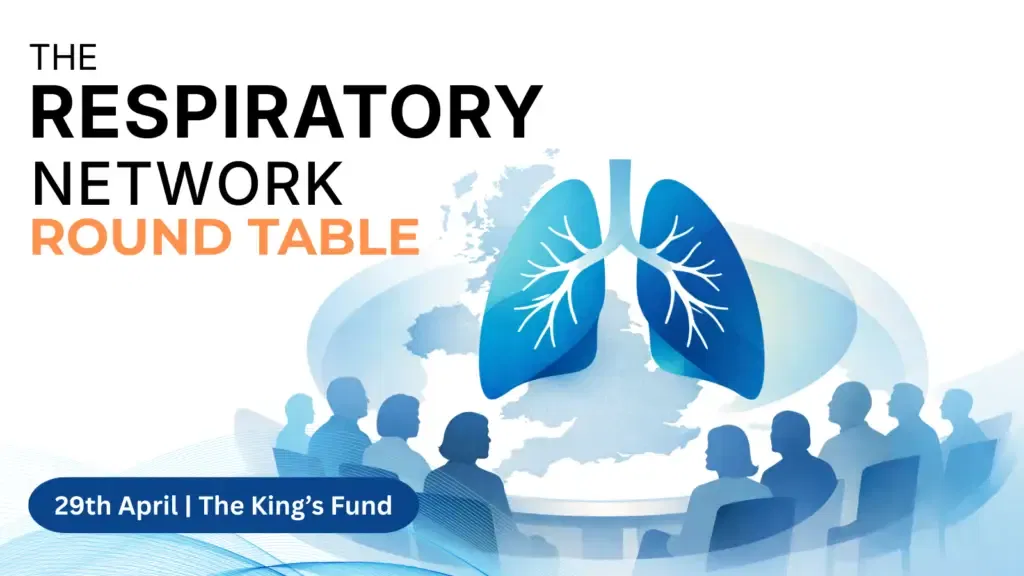
Our upcoming Round Table event will be a space to discuss these developments in a calm, purposeful environment. We will be looking at how we can continue to bridge the gap between high-level technology and the reality of community care.
Whether you are a patient advocate, a clinical lead, or working within the life sciences sector, your perspective is valuable. We don't have all the answers, but we know that we find better ones when we work together.
Join the Community
The Respiratory Network is more than just a source of information; it’s a community of people dedicated to improving lung health across the UK. We invite you to stay connected with us as we navigate these changes.
- Learn more about the event: Round Table 2026 Details
- Join our network: Register Here
By working together, we can ensure that the "Better Together" headline isn't just a goal, but a daily reality for everyone involved in respiratory care. We look forward to seeing many of you in June to discuss how we can turn these insights into even better outcomes for the people who need them most.
Categories: NHS Strategy & Leadership; Data & Insights; Life Sciences & Innovation
Tags: Digital Health; NHS Respiratory Services; Integrated Care Systems (ICS); Pharma Engagement; Respiratory Health UK; Diagnostics; Pathway Innovation; MedTech


Responses