The App Trap: Are Your Health Gadgets Helping or Just Giving You Extra Homework?

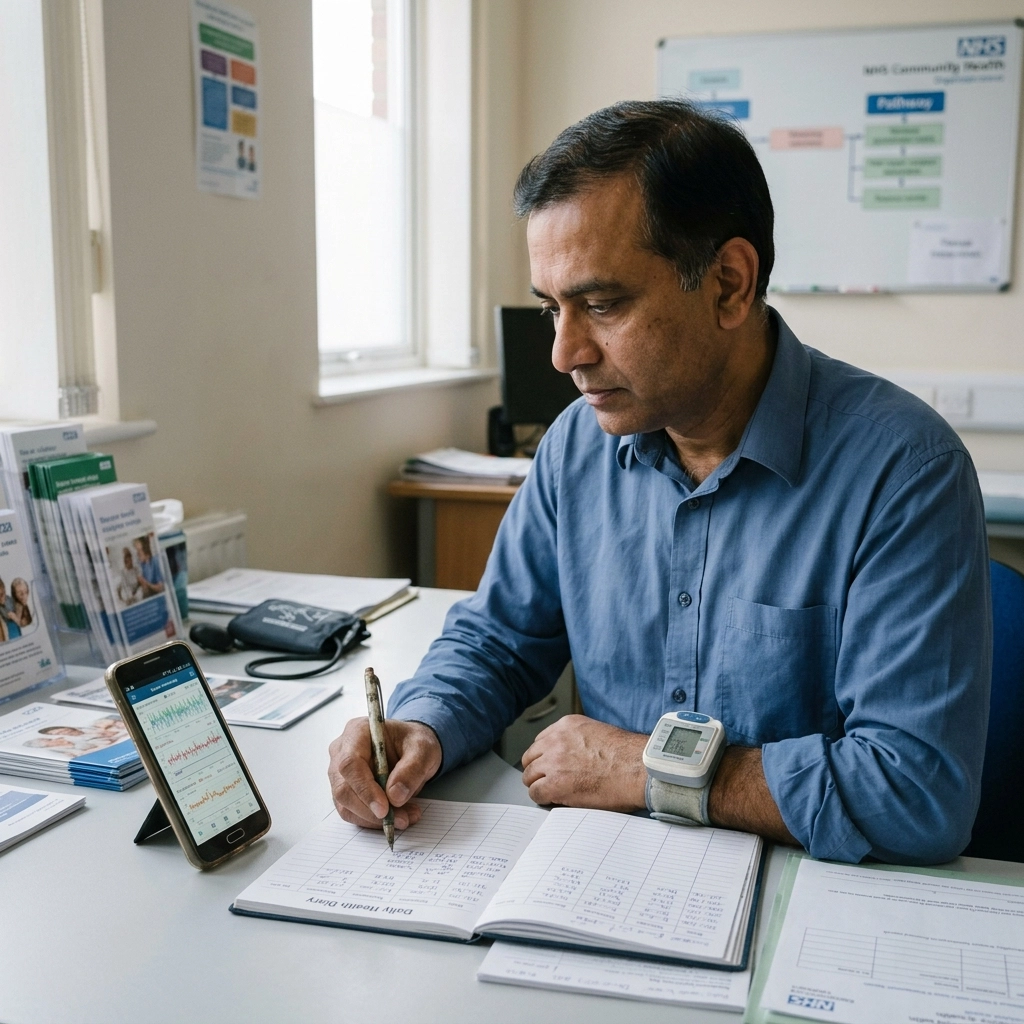
We’ve all been there. It’s 7:00 AM, the alarm hasn't even gone off yet, but the first thing you do isn't stretching or checking the weather. Instead, you’re squinting at a glowing screen to see how you "actually" slept. Your watch tells you that you had three minutes less REM sleep than yesterday, and suddenly, you feel more tired than you did thirty seconds ago.
Welcome to the world of the digital patient.
In the last few years, we’ve seen an explosion in health tech. From rings that track your temperature to watches that monitor your oxygen levels and apps that want to know every single time you cough, we are more "connected" than ever. But here at The Respiratory Network, we’ve been hearing a common theme lately: the "App Trap."
It’s that feeling when your helpful health gadget stops being a tool and starts feeling like a part-time job. Or worse, like extra homework you never signed up for.
The Rise of the Personal Data Scientist
There was a time when monitoring your respiratory health meant having a quick chat with your GP or filling out a paper diary once a blue moon. Now, many of us are walking around like amateur data scientists. We’re tracking steps, heart rate variability, peak flow, sleep cycles, and even the air quality in our living rooms.
On the surface, this is great. Having more information can help us feel more in control. It can give us a sense of agency in a healthcare system that often feels overwhelming. But there’s a tipping point where "informed" turns into "obsessed."
What happens when the data starts to contradict how we actually feel? We’ve all had those days where we feel fairly bright and breezy, only for our tracker to tell us our "readiness score" is in the basement. Do we trust our bodies, or do we trust the algorithm?

When "Helpful" Becomes Homework
The psychological fatigue of health tracking is a very real thing. Think about the mental load of:
- Remembering to charge the device every night (or every three days).
- Syncing the data when the Bluetooth inevitably decides to go on strike.
- Manually logging symptoms or triggers.
- Responding to "nudges" telling you to stand up, breathe, or move.
For someone managing a long-term respiratory condition, life already involves a lot of "admin." There are appointments to keep, prescriptions to manage, and energy levels to budget. When you add a relentless stream of digital notifications into the mix, it can start to feel like you’re constantly failing a test.
If you didn’t hit your "movement goal" because you were having a particularly breathless day, seeing that greyed-out circle on your phone isn't motivating, it’s demoralizing. It’s extra homework that you’re "failing," and that’s the last thing anyone needs.
The "Orthosomnia" Effect and Digital Anxiety
Researchers have even coined terms for some of these modern stresses. "Orthosomnia," for example, is the obsession with getting the "perfect" sleep data. People become so anxious about what their tracker will say about their sleep that the anxiety itself keeps them awake.
In the respiratory world, we see a similar pattern with oxygen saturation or heart rate monitoring. It’s very easy to fall into a loop of checking a device every ten minutes. Instead of focusing on the book you’re reading or the conversation you’re having, part of your brain is always on the gadget.
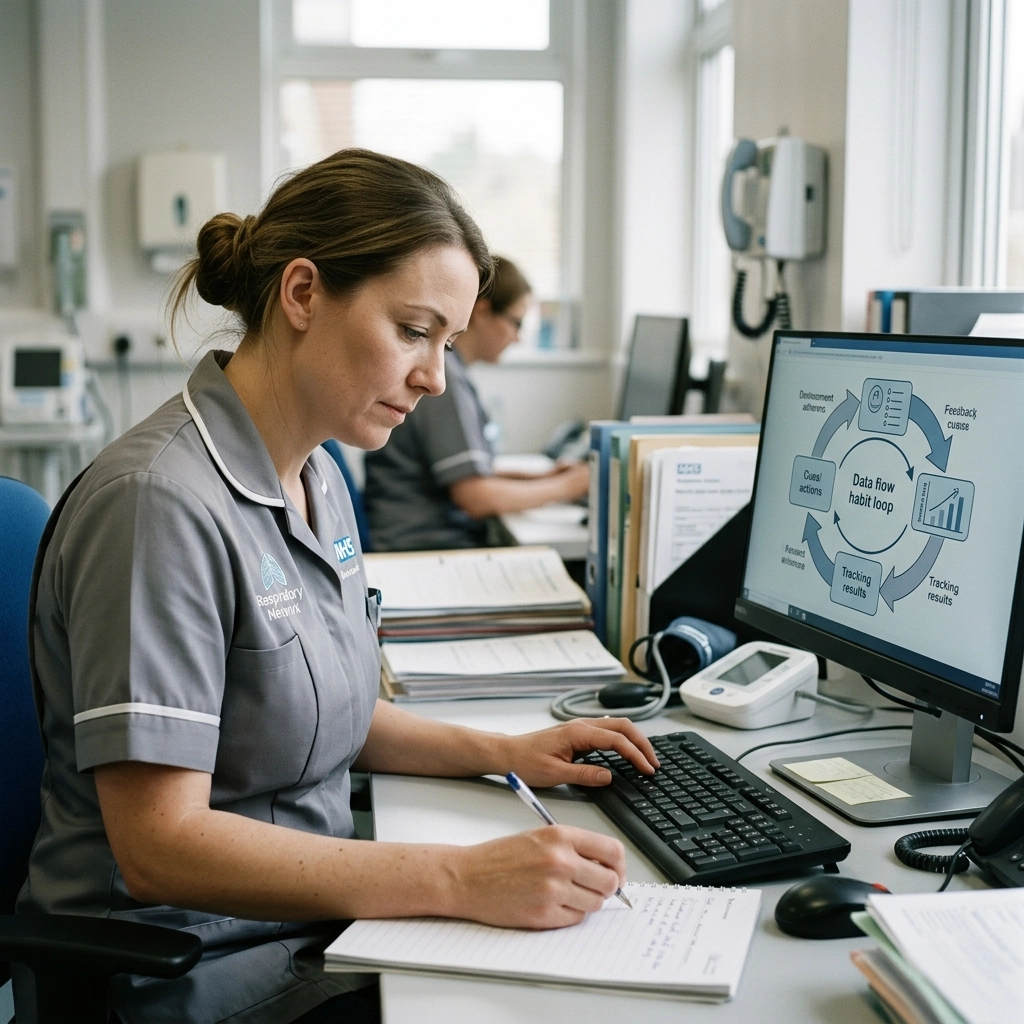
This digital anxiety doesn't just stay with the patient, either. Imagine being a clinician presented with six months of minute-by-minute heart rate data printed out on thirty pages of A4. It’s data, yes, but is it insight? Often, the most important thing a clinician needs to know is: "How are you feeling today compared to last month?" The gadget might not be able to answer that as well as a human can.
Are the Gadgets Even Accurate?
This is the elephant in the room. While consumer-grade wearables have come a long way, they aren't medical-grade diagnostic tools. A wrist-based sensor can be affected by everything from your skin tone and tattoos to how tightly you wear the strap or even how cold your hands are.
If your "homework" is based on data that might be 10% or 20% off, is it worth the stress? We often see people worrying about a dip in their numbers that might just be a glitch in the sensor. That’s why it’s so important to remember that these tools are there to show trends, not absolute truths. They are the start of a conversation, not the final word.
https://therespiratorynetwork.co.uk/event/round-table-2026/

Finding the Middle Ground
So, should we all just throw our smartwatches in the bin? Not necessarily. For many, these tools are a lifeline. They provide comfort and a way to spot patterns that might help manage daily life better. The key is moving from a relationship of "obedience" to a relationship of "observation."
Here are a few ways we’ve seen people avoid the App Trap:
- The 24-Hour Rule: If a device is making you feel anxious, take it off for 24 hours. If you feel a sense of relief, you might need to adjust how often you check it.
- Ignore the "Goals": Most apps have default goals (like 10,000 steps) that have nothing to do with your specific health needs. It’s okay to ignore the "rings" and "stars."
- Use it for the "Why," not the "What": Instead of just looking at a number, look for the reason. "Oh, I felt more breathless on Tuesday, the app shows the pollen count was high. That makes sense." That’s a tool. Checking the number just to see if it’s "good" or "bad"? That’s homework.
- Turn Off the Nudges: You don't need a watch to tell you to breathe. You’re doing that anyway! Turning off non-essential notifications can drastically reduce the "noise" in your day.
Shaping the Future at the June 24th Round Table
These are the exact kinds of real-world challenges we love to get stuck into at The Respiratory Network. The tech is moving fast, faster than the NHS can sometimes keep up with, and we need to make sure it’s serving people, not the other way around.
On June 24th, 2026, we’re hosting a Round Table event where we’ll be bringing together patients with lived experience, NHS clinical leads, and the innovators from the Life Sciences sector. We’ll be talking about digital health, pathway excellence, and how we can ensure that "innovation" actually makes life easier for the people on the ground.
Whether you're a clinician tired of seeing "data dumps" or a patient who feels like their phone is bossing them around, your voice is vital. We don't want a future where healthcare is just more homework. We want a future where technology clears the path so we can all breathe a bit easier.
You can find out more and secure your spot here: Round Table 2026 Details.
Join the Conversation
The Respiratory Network is all about connecting the dots. We believe that by bringing everyone into the same room, physically or virtually, we can stop guessing what works and start listening to what actually happens in daily life.

At the end of the day, a health gadget should be like a pair of glasses, something that helps you see the world more clearly, not something that obscures your view. If your tech is starting to feel like a trap, remember that you’re the one in charge of the "off" switch.
Let’s focus on the big picture: healthy lives, supported by smart tech, led by real people.
Disclaimer: The Respiratory Network provides information and insight for educational purposes only. This content does not constitute medical advice, diagnosis, or treatment. If you have questions about your health or symptoms, please speak to a qualified healthcare professional.

Responses