

From Coal Smoke to Clean Air: A Quick Look at How Our Lungs’ World Has Changed

Disclaimer: The Respiratory Network provides information and insight for educational purposes only. This content does not constitute medical advice, diagnosis, or treatment. If you have questions about your health or symptoms, please speak to a qualified healthcare professional.
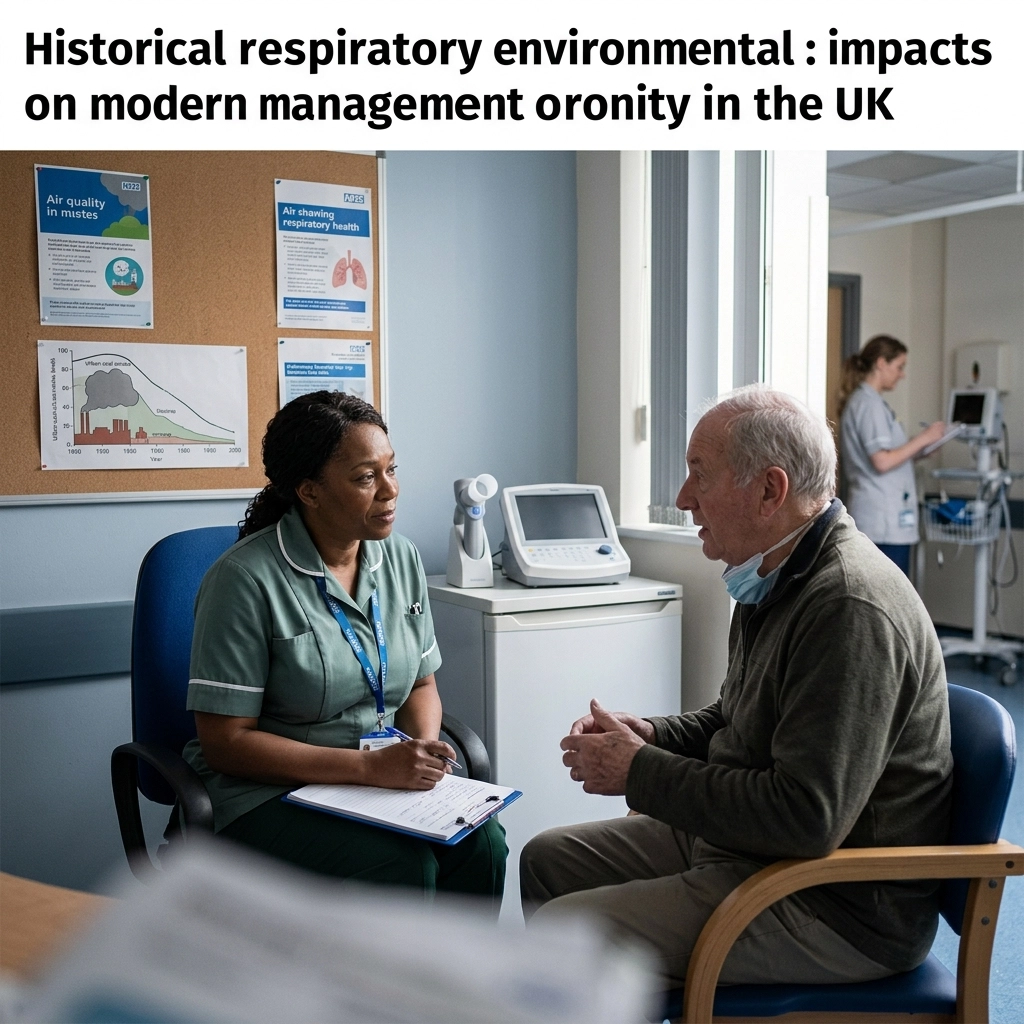
It’s easy to take the air for granted until it’s hard to catch. But if you were to step back just seventy or eighty years in any major UK city, the very act of breathing would have felt like a completely different experience. We often talk about the "good old days," but when it comes to our lungs, the history of the UK is written in soot, smog, and a very long, slow transition toward something clearer.
As we look forward to our Round Table event on the 24th of June, it’s worth taking a moment to look back. Understanding how our environment has evolved helps us understand the challenges we face today: from clinical pathways to the lived experience of patients navigating a modern world.
The Era of the 'Pea Soupers'
In the first half of the 20th century, coal was the undisputed king. It heated our homes, powered our trains, and fueled the massive factories that defined the British landscape. The result was the infamous "Pea Souper": a thick, yellowish-black fog that could bring London or Manchester to a complete standstill.
In practice, this wasn't just a bit of weather. It was a dense cocktail of smoke and sulfur dioxide. People who lived through the Great Smog of 1952 describe a world where you couldn't see your own feet while walking. For those with underlying lung conditions, it was a period of extreme vulnerability. History tells us that the impact on the population was immediate and devastating, leading to a surge in hospital admissions and a permanent change in how the government viewed the air we breathe.
What this looked like on the ground was a system caught completely off guard. There was no real-time air quality monitoring, no digital alerts, and very little understanding of how fine particulates were affecting long-term health. We were breathing the Industrial Revolution, and our lungs were paying the price.
The Turning Point: 1956 and Beyond
The shock of the early 50s led to the Clean Air Act of 1956. For the first time, the UK began to regulate how we burned fuel. It introduced "smoke control areas" where only smokeless fuels could be burnt. Slowly, the thick, choking soot began to lift.

For the respiratory community: the clinicians, the patients, and the researchers of the time: this was a massive shift in the landscape. We began to move away from the immediate, acute crises caused by heavy smoke and into a new era of respiratory care. As coal fires were replaced by gas and electricity, the "visible" pollution started to disappear.
But as we now know, just because you can’t see it, doesn’t mean it’s not there.
From Soot to Invisible Particles
If the mid-20th century was defined by coal smoke, the late 20th and early 21st centuries have been defined by the internal combustion engine. We traded the black soot of the chimney for the invisible nitrogen dioxide (NO2) and fine particulate matter (PM2.5) of the tailpipe.
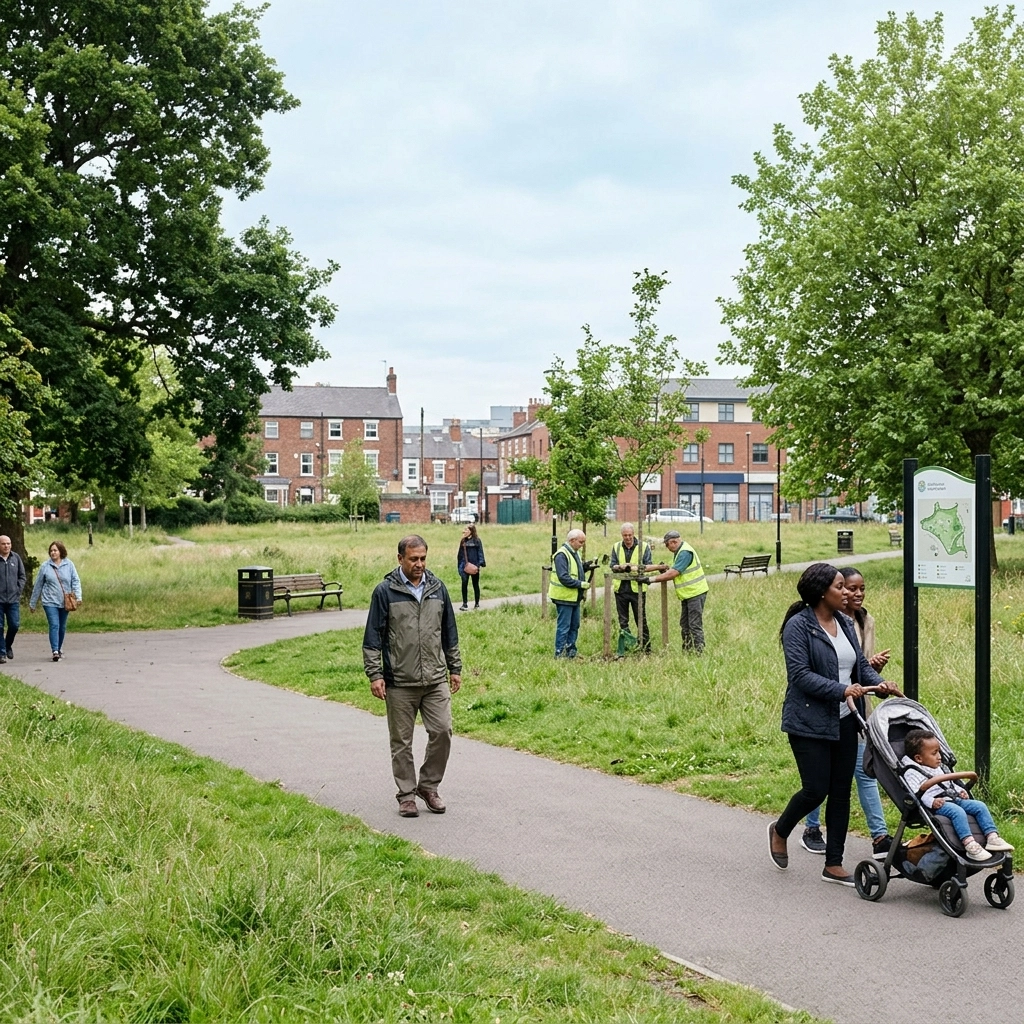
What patients and clinicians often describe today is a different kind of environmental pressure. Instead of the dramatic "smog days," we have "high pollution alerts." Our challenges have become more subtle but no less significant. We are now looking at how urban design, traffic flow, and even where we build our schools impact the long-term respiratory health of the next generation.
In practice, this means the conversation has shifted. It’s no longer just about clearing the visible smoke; it’s about how we create "breathable" cities.
The Indoor Environment: The New Frontier
While we’ve spent decades looking at the air outside, we’ve recently started to pay much closer attention to the air inside. For many people in the UK, especially those dealing with fuel poverty or substandard housing, the "history" of poor air quality isn't actually history: it’s their current reality.
Damp, mould, and poor ventilation are the modern equivalents of the coal fire. When we talk about "Sustainability in Care," we have to talk about the homes people are returning to after they leave the clinic. If a patient is managing a chronic condition but living in an environment that triggers them every single day, the best clinical pathway in the world will struggle to make a lasting impact.

This is where the collaboration between the NHS, Life Sciences, and patient advocates becomes so vital. We need to look at the whole person and their whole environment. It’s not just a medical issue; it’s a social and environmental one.
Why This Matters for the 24th of June
On the 24th of June, we will be hosting our Round Table 2026 event. This history of air quality serves as a reminder of why we do what we do. The respiratory landscape is constantly evolving, and the "wins" of the past (like getting rid of coal smoke) simply set the stage for the challenges of the present.
We bring together NHS leaders, Life Sciences directors, and people with lived experience because no single group has all the answers. The clinician sees the impact on the lungs; the Life Sciences director sees the potential for new innovations; and the patient sees the reality of living in a world that isn't always easy to breathe in.
When we sit down at The King’s Fund, we aren't just talking about data: we’re talking about how to continue this trajectory of improvement. How do we move from "cleaner" air to truly "healthy" air for everyone, regardless of where they live?
A Measured Look Forward
We’ve come a long way since the days when the "Pea Souper" was a normal part of British life. Our understanding of respiratory health has deepened, and our tools for managing it have become incredibly sophisticated.
However, we can’t be complacent. The transition from coal smoke to clean air is an ongoing journey. As we move toward greener energy and more sustainable healthcare practices, we have to ensure that no one is left behind in a "pockets" of poor air quality: whether that’s in a busy city centre or a damp flat.
The Respiratory Network exists to facilitate these exact conversations. We aren't here to provide medical advice or push a specific agenda. We are here to provide the space where the people who care about respiratory health can connect, share observations from the ground, and figure out what the next chapter of this history looks like.
Join the Conversation
If you’re interested in how we can shape the future of respiratory care together, we’d love you to join us for our upcoming Round Table on the 24th of June. It’s a chance to step away from the daily grind and think about the bigger picture. Find out more here.
The air might be clearer than it was in 1952, but there is still plenty of work to do. We look forward to seeing you there.
Category: Sustainability in Care
Tags: Air Quality, Respiratory Health UK, NHS Respiratory Services, Life Sciences Engagement UK, Lived Experience, Housing, COPD, Asthma.

Responses