
The Coffee Morning Revolution: How Small Chats Lead to Big Changes in Care

Disclaimer: The Respiratory Network provides information and insight for educational purposes only. This content does not constitute medical advice, diagnosis, or treatment. If you have questions about your health or symptoms, please speak to a qualified healthcare professional.
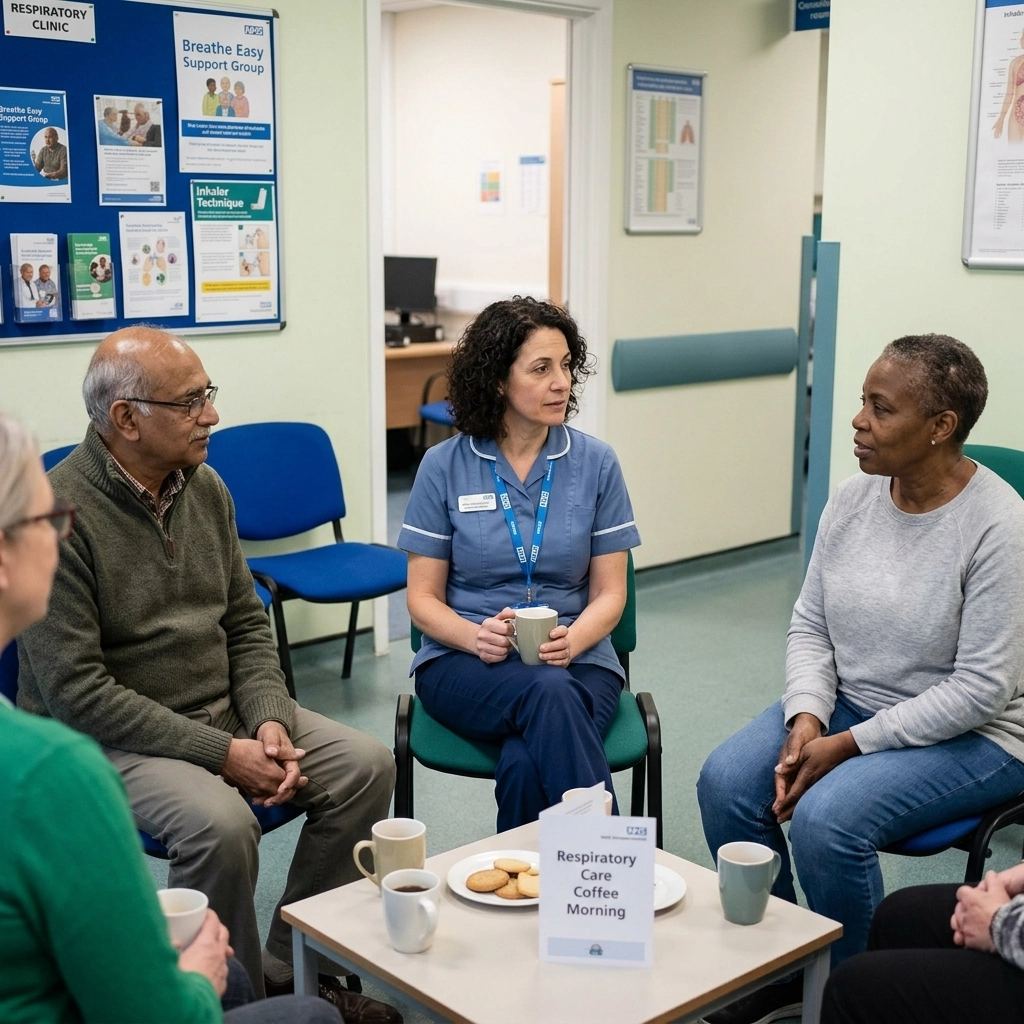
There is a specific kind of magic that happens over a lukewarm cup of tea and a digestive biscuit in a draughty community hall.
To an outsider, it looks like a simple social gathering, a group of people chatting about the weather, their grandkids, or the latest TV drama. But for those of us working within the respiratory community, these "coffee mornings" are often the birthplace of the most significant shifts in how we understand and deliver care.
As we move toward the summer, and with our next big gathering set for the 24th of June, it feels like the right time to talk about the power of the informal. While formal clinical trials and data sets give us the "what," it is these small, unfiltered chats that give us the "why" and the "how."
In practice, the most profound insights don’t always come from a structured patient survey or a focus group with a ticking clock. They come when someone feels comfortable enough to say, "Actually, I don’t use that gadget because it’s too heavy for my hands," or "I stopped going to that pulmonary rehab class because the bus stop is just too far from the entrance."
The Power of the Unstructured Conversation
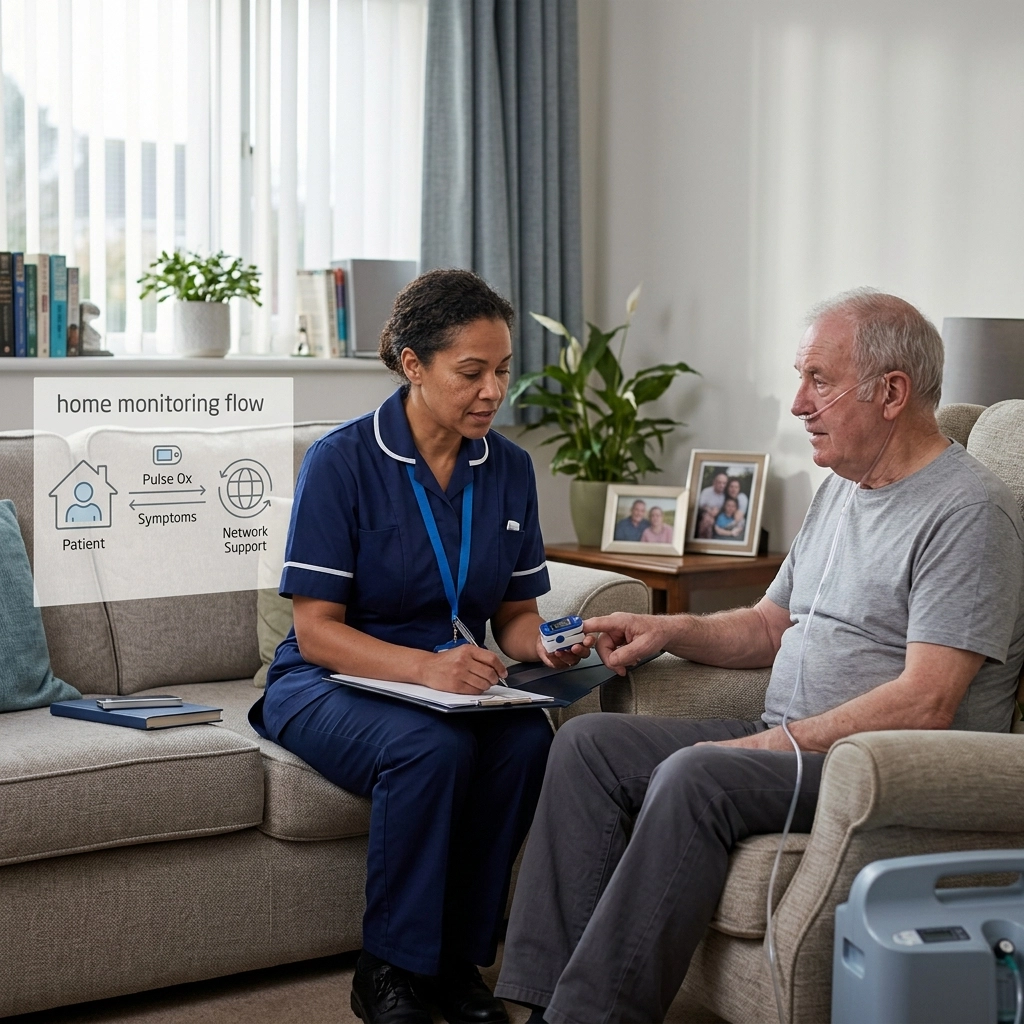
In the world of NHS respiratory services, we are often governed by appointments that last ten or fifteen minutes. In that time, a clinician has to check vitals, review progress, and update a care plan. It is high-pressure, high-speed, and leave very little room for the "small stuff."
What this looks like on the ground, however, is a gap in understanding. When people with lived experience meet in a non-clinical setting, like a local support group or an informal coffee morning, the power dynamic shifts. There is no white coat, no ticking clock, and no pressure to "perform" as a "good patient."
In these spaces, the conversation meanders. It’s in the meandering that the gold is found. We hear about the anxiety of planning a trip to the supermarket, the frustration of trying to explain breathlessness to a well-meaning relative, and the small "hacks" people have developed to make their daily lives easier.

Why "Small Talk" is Big Data for the NHS
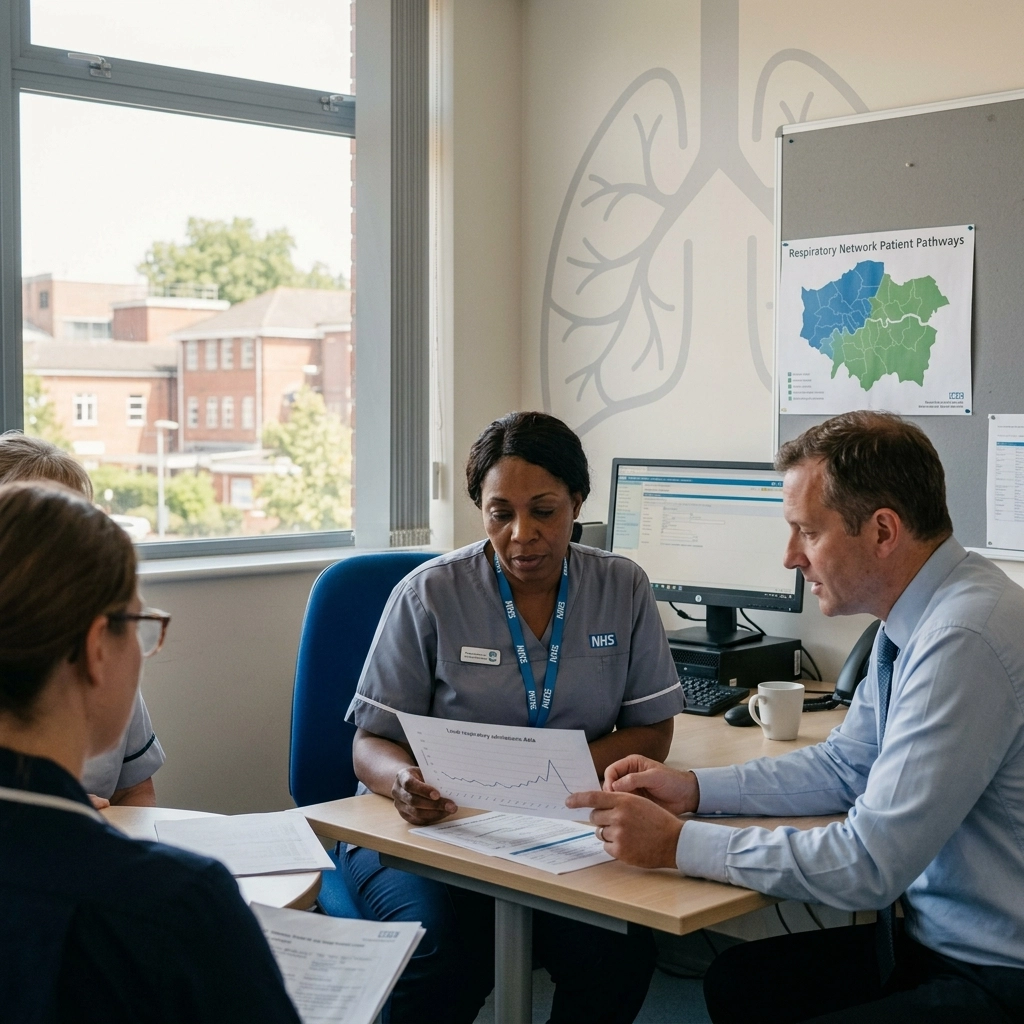
For NHS leadership and Life Sciences directors, these informal insights are more than just nice stories; they are a form of "soft data" that can prevent "hard failures."
When a new service or a digital tool is designed in a boardroom, it often makes perfect sense on paper. But if it hasn't been sanity-checked by the person who is going to use it while they’re struggling to catch their breath on a Tuesday morning, it risks being ignored.
By listening to the "coffee morning revolution," we start to see patterns. If three different people in three different towns mention that they find a certain process confusing, that’s not an anecdote anymore, it’s an insight. It’s an opportunity to fix a pathway before it even breaks.
This is what we mean by co-production. It’s not just asking for a "rubber stamp" on a pre-made plan; it’s about sitting at the table (or the coffee morning) before the plan is even written.
Breaking Down the Silos
One of the biggest challenges in UK respiratory care is how separate everyone can feel. Patients feel separate from clinicians; clinicians feel separate from the industry; and everyone feels a bit separate from the policy makers.
The informal group acts as a bridge. We’ve seen instances where a clinical lead attends a local group, not to give a lecture, but simply to listen. What they take back to their team isn't just a list of symptoms; it's a renewed sense of empathy and a better understanding of the barriers their patients face every day.
Similarly, for those in Life Sciences, understanding the reality of living with a chronic condition helps in developing tools and resources that actually fit into a person's life, rather than forcing the person to fit their life around the tool.
A Quick Note on Safety
Before we go any further, just a quick reminder from our team: while we love sharing these insights and encouraging community connection, please remember that the content here is for information and connection purposes. It isn't medical advice. If you’re feeling unwell or have questions about your specific condition, always chat with your own healthcare team. We don't mention specific medications or drugs here because every person’s needs are unique and should be managed by a professional who knows your history. (Thanks, Linda!)
From the Kettle to the Round Table
This philosophy of "listening first" is exactly what we are bringing to our upcoming event. On the 24th of June, we aren't just gathering to look at slides and spreadsheets. We are gathering to have the kind of honest, grounded conversations that usually only happen in those community halls.
We want to take the spirit of the coffee morning and put it at the heart of respiratory strategy. This means bringing together the people who design the services, the people who build the tools, and, most importantly, the people who use them.
If you haven't already, we’d love for you to join the conversation. Whether you’re a patient advocate, a nurse, a consultant, or a director in a life sciences firm, your perspective is part of the puzzle.

How You Can Get Involved
The "revolution" doesn't have to be a loud, shouting match. It’s often quiet, consistent, and collaborative. Here are a few ways you can jump in:
- Come to the Event: Our upcoming Round Table on the 24th of June will be a chance to take these informal insights and turn them into practical discussion about the respiratory pathway. You can find all the details on our Event Page.
- Become a Member: To stay in the loop with everything we’re doing and to help shape future conversations, consider becoming a member of The Respiratory Network.
What This Looks Like on the Ground: A Real-World Example
Imagine a local group where the main topic of conversation one morning isn't breathing at all: it's the cost of electricity. To a clinical specialist, this might seem off-topic. But to the person living with a respiratory condition, the fear of a cold house is directly linked to the fear of their symptoms worsening.
When that insight is brought back to an Integrated Care System (ICS) lead, it can trigger a partnership with local energy advisors or housing associations. Suddenly, "respiratory care" has expanded to include "warm home referrals."
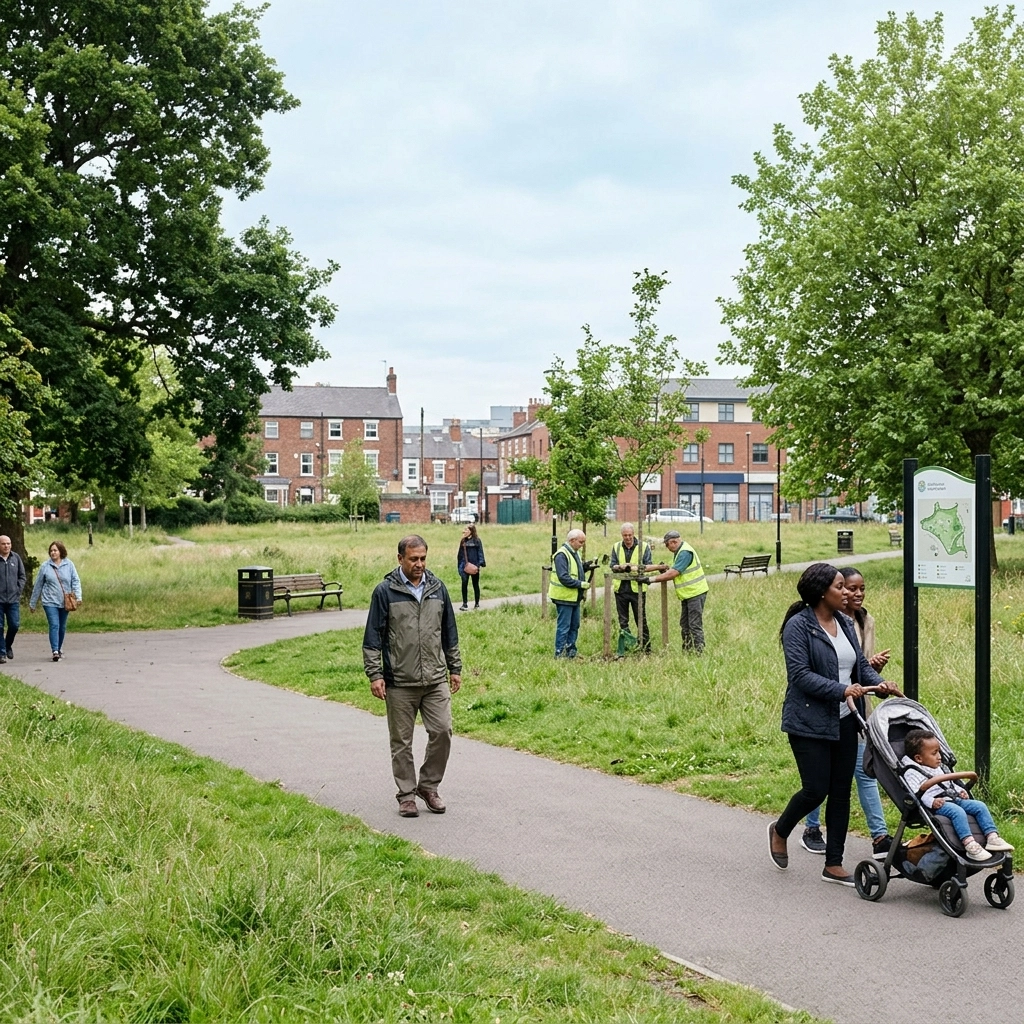
This is the "Coffee Morning Revolution" in action. It’s about seeing the person, not just the diagnosis. It’s about understanding that health doesn't happen in a vacuum: it happens in kitchens, on buses, and in community centres.
Looking Ahead to June 24th
As we prepare for our event on the 24th of June, we are keeping these stories at the forefront. We want to move away from the "authoritative" voice that tells people what they need and move toward a collaborative voice that asks, "How can we make this better together?"
The UK respiratory pathway is under immense pressure, and there are no easy answers. But we truly believe that by creating spaces where these "small chats" can happen: and by ensuring those chats are actually heard by the people with the power to change things: we can start to see big changes in care.
So, the next time you see a group of people huddled over tea and biscuits, remember: they might just be redesigning the future of the NHS, one digestive at a time.
We hope to see you on the 24th of June to keep the conversation going.
Category: The Patient Voice
Tags: Lived Experience, Patient Engagement UK, Respiratory Health UK, NHS Respiratory Services, Healthcare Networking UK, Co-production

Responses